
Idaho brought wolves back from the brink. We risk losing them again | Opinion
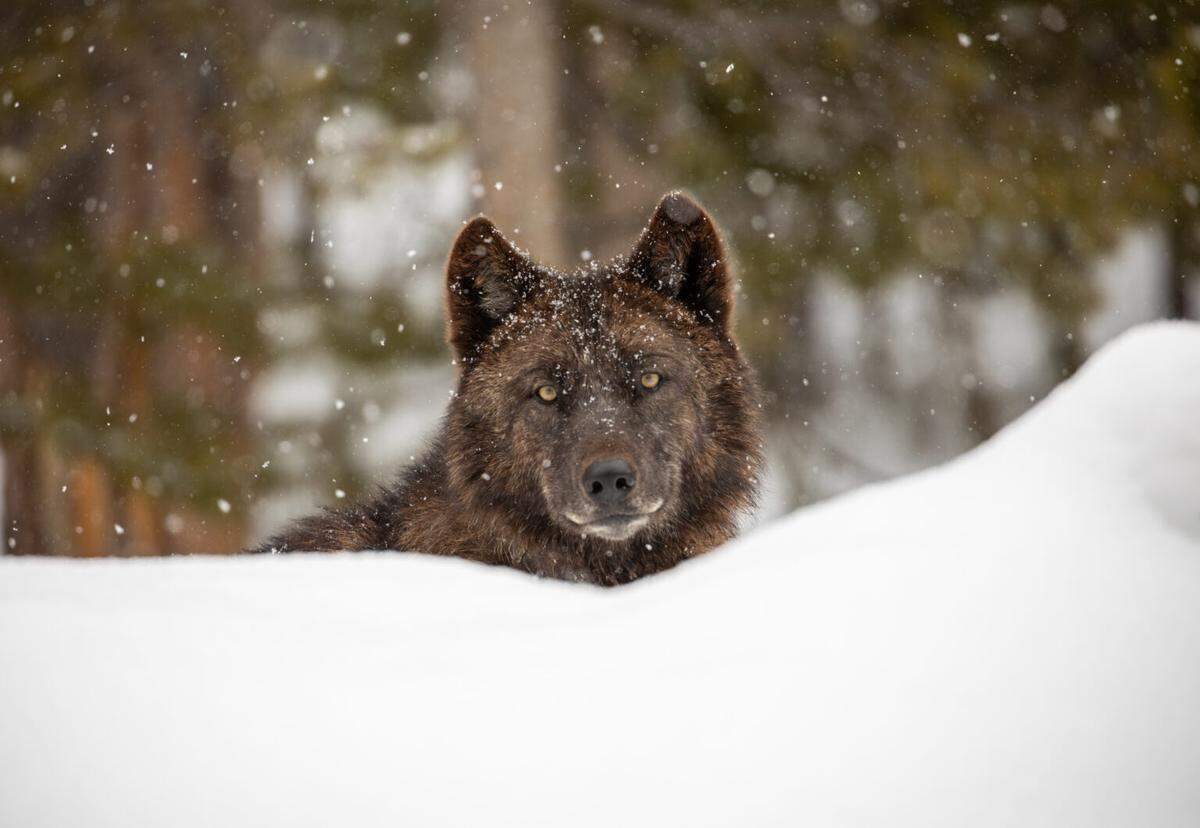
I remember the moment the crate opened. The wolf bolted into the Idaho forest — disappearing into a landscape where wolves had been absent for nearly a century. I helped release some of those wolves during the recovery effort in the 1990s. At the time, it felt like Idaho was participating in one of the great conservation successes in modern American history.
Today, Idaho’s wolves are now subjected to one of the most aggressive predator-killing systems in North America: year-round hunting and trapping, unlimited tags, aerial gunning, snares, night-hunting technologies and financial incentives that function as de facto bounties funded in part by the state. And now, even cyanide poison devices are returning to public lands.
This should concern every Idahoan — whether they care about wolves or not. Because this is no longer simply about predator management. It is about what kind of stewardship we believe should govern our public lands and wildlife.
The most complete wolf mortality dataset available — nearly 7,000 documented wolf deaths since reintroduction — shows warning signs consistent with population decline: fewer wolves encountered, falling harvest numbers despite expanded killing methods, declining livestock conflicts and greater effort required to find wolves at all. At the same time, Idaho is pursuing a policy aimed at dramatically reducing wolf numbers without a peer-reviewed method for accurately estimating how many wolves remain. It’s like shooting in the dark.
That is not sound wildlife management.
As someone who has spent years observing wolves in the field, I can tell you the consequences are not merely statistical. Wolves are deeply social animals. They live in closely bonded family groups. When breeding adults are killed, entire packs destabilize. Pups lose protection, food access and social structure.
We can increasingly see the effects in wolf behavior itself. On field cameras, pups that once displayed playful behavior now appear hyper-vigilant and fearful — constantly scanning their surroundings, too frightened to expose themselves for long. Chronic pressure changes wildlife behavior.
Most Idaho wolves live on federal public lands — our national forests. These lands belong to all Americans, not solely to one industry or political interest. Yet increasingly, wildlife policy on public lands is being shaped by livestock politics rather than long-term ecological stewardship.
The return of M-44 cyanide devices is perhaps the clearest symbol of how far this has gone. These spring-loaded poison traps do not distinguish between a coyote, a wolf, a fox or someone’s dog. They have put Idaho children at risk, killed pet dogs and poisoned wildlife for decades. That these devices are again being considered for use on BLM public lands should alarm anyone who values responsible conservation.
Wolves lived alongside Indigenous peoples in the American West for thousands of years before modern politics turned them into symbols of conflict. Their survival today should not depend on whether they remain politically convenient.
The question Idaho faces is larger than wolves themselves. Do we still believe wildlife on public lands deserves science-based management, restraint and coexistence? Or are we returning to an older mindset — one where native carnivores are tolerated only until pressure for their elimination becomes politically expedient?
Recovery was supposed to mean that wolves could once again exist as part of Idaho’s living landscapes — not merely scattered survivors under constant persecution. Wolves play an essential role in keeping elk and deer herds moving in smaller groups while culling weak and diseased animals. Over time, this helps create healthier herds and healthier habitat for all wildlife. Livestock losses to wolves are among the lowest cause of livestock loss in Idaho.
In 2010, the state of Idaho promised the federal government to manage wolves like black bears and mountain lions. It has not. Idaho treats wolves more aggressively than coyotes, spending millions killing them instead. The difference is we have tens of thousands of coyotes — and perhaps only a few hundred wolves left. What was our promise worth?
Suzanne Asha Stone has led wolf conservation and coexistence efforts in the American West for almost four decades. She is now the founder and director of the International Wildlife Coexistence Network.