
Republican lawmakers left Idaho unprepared for a bad wildfire season | Opinion
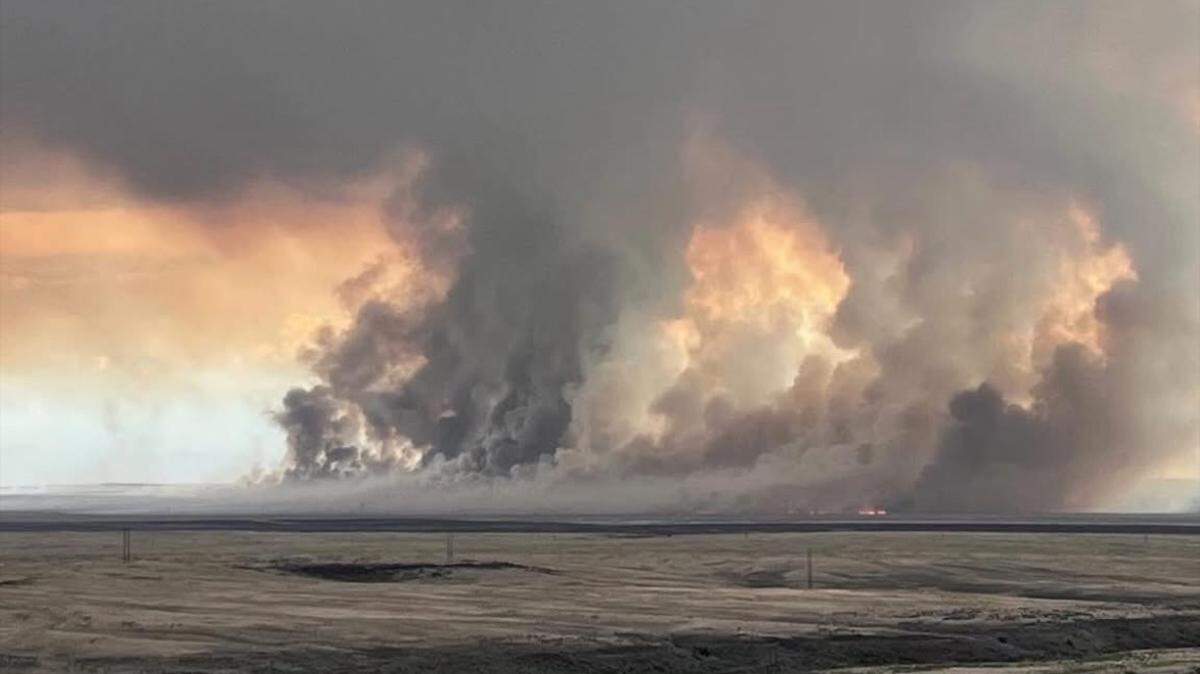
Despite the reach of the Idaho Republican supermajority, weather isn’t something policy can shape. However, the state Legislature can control the levels of preparedness with which the state is equipped to respond to uncontrolled events.
Recently, Gov. Brad Little announced an emergency drought declaration, warning that every county in Idaho would feel the effects of this winter’s record-warm temperatures and reduced snowpack.
Reservoir levels are strained. Concerns over irrigation access are rising. Farmers, ranchers and municipalities are already feeling the pressure. This is a preview of what could be a challenging, dangerous and expensive fire season for communities across Idaho.
Drought itself may be beyond the Legislature’s control, but preparation and response are not. Idaho has clear responsibilities: adequately funding seasonal firefighters, investing in statewide fire prevention efforts, replacing and maintaining critical equipment, and ensuring our emergency response systems can meet a growing demand for services. These responsibilities are neither new nor unexpected; they are simply the basic requirements for a state facing drier, hotter, longer and more extreme fire seasons.
Instead of strengthening preparedness, Republican legislators made decisions that leave Idaho less ready to respond. Last year, the state failed to set aside roughly $40 million for the governor’s fire suppression fund. This year, only about $1.5 million was allocated. The result is straightforward: Idaho will fight fires this season without the resources set aside to pay for them, effectively pushing the bill into the future. In other words, we are choosing to fight fires now and pay for them later.
While there was a modest attempt to address equipment needs through Senate Bill 1427, an enhancement to the maintenance budget for fire radio equipment, the investment falls far short of what is required to meet current risks.
At the same time, deeper cuts were made through Senate Bill 1363. This legislation included ongoing reductions of $958,000 to the Department of Water Resources and $615,000 to the Department of Lands. These cuts have serious implications. Funding for a firefighting unit in Eastern Idaho is directly impacted, weakening the state’s ability to respond quickly and effectively. Without these resources, Idaho will be forced to rely more heavily on federal response, delaying action when speed is critical.
Idahoans do not have the luxury of stepping away from the drought, wildfire risk or rising costs. As fire danger increases, the economic strain intensifies: electricity prices rise, insurance pressures grow and rural communities, in particular, bear the brunt with fewer resources to absorb the impacts.
This stress is already visible as farmers and ranchers raise concerns about limited water for crops and livestock, a critical threat to Idaho’s agricultural backbone. The combination of high fire risk and water scarcity creates a ripple effect that impacts every sector of our communities, large and small.
Budget decisions made this session reflect a short-term focus on immediate savings, without fully accounting for the long-term costs of disaster response and recovery.
The reality is simple: the strategic investments we make today in prevention, staffing, and infrastructure directly determine the severity and cost of the crises we face tomorrow. When the government fails to make those investments, the risk is not eliminated; it is shifted onto the shoulders of Idaho families and communities.
Idahoans have always been responsible by planning ahead, taking precautions, and working to avoid preventable harm - and they expect the same from their government.
Preparing for drought and wildfire is not optional; it is a core responsibility of governance. And if there is even a shred of a silver lining, it may be this: the cost of inaction is becoming impossible to ignore.
Because no matter how it’s framed, hope alone will not stop the drought or the threat of devastation to every Idahoan’s way of life.
Sally Toone served in the Idaho House as a Democrat from 2016 to 2022. Sen. Ron Taylor is a Democrat who represents Legislative District 26.