
Endometriosis: Why doctors keep dismissing women’s chronic pain | Opinion
During an endometriosis flare-up, you can often find me on the scratchy carpet of my apartment floor stretched out in child’s pose. Something about this yoga position helps give slight relief to the stabbing cramps I experience. A heating pad is also a must, but only if it’s hot enough to leave red burn marks on my stomach.
Endometriosis is a chronic condition that causes tissue similar to the uterus lining to grow outside the reproductive organs, typically causing extreme pain and a wide variety of symptoms and complications. The realities of the condition look different for many women, but one thing remains consistent: the difficulty in receiving adequate care.
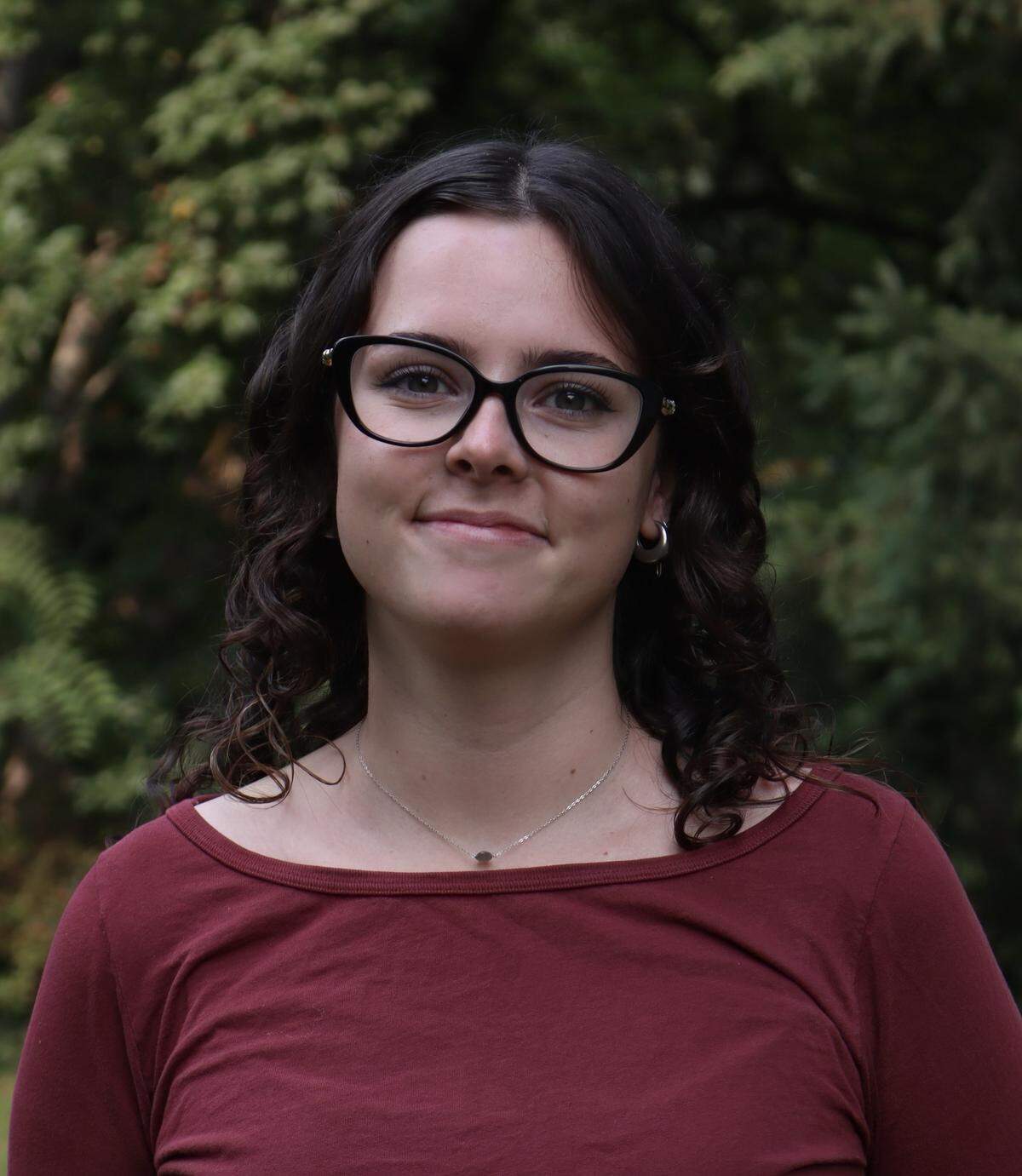
My journey began at 15 with birth control as a Band-Aid solution for a deep-rooted and often debilitating problem that none of my doctors seemed to care to look further into. Receiving care in Idaho proved to be difficult as many physicians dismissed my pain and would only consider minimal and limited approaches.
Five different birth control pills, an IUD and seven years later, I have yet to receive a formal diagnosis.
The sad fact is that this is not an uncommon experience for many women. The World Health Organization estimates that around 10% of reproductive-age women have endometriosis. This is a staggering 190 million women.
It took Mia Tsemberlis almost five years to get a diagnosis for both endometriosis and an often accompanying disease, adenomyosis. The 18-year-old explained that the many challenges that come with dealing with this disease at a young age deeply impacted her mental health. “This made me feel crazy in the sense that I knew something was wrong, but no one believed me,” she said.
“Endometriosis has impacted my daily life significantly,” Tsemberlis said. “I had to withdraw from school due to not being able to walk or move my body much. I had to quit my job as I was calling out too often due to being in the ER, dealing with ruptured ovarian cysts, severe pain and getting sick very often due to a compromised immune system.”
Her advice to others who believe they might have endometriosis is not to listen to the first doctor you visit.
“Don’t let doctors misdiagnose you or belittle you,” she said. “Advocate for yourself until you find an endometriosis excision specialist that believes you.”
No 18-year-old should be forced to be their own advocate due to a medical system that has been built to undermine women’s chronic pain. Trying to take care into your own hands, unfortunately, isn’t much of an option either.
Reddit and TikTok users share their remedies like trying a portable heating pad or a tens machine, which uses low volt electric shock to block pain receptors. Eating an anti-inflammatory diet, cutting out gluten, caffeine and alcohol, limiting dairy, doing only low-impact exercise, using CBD and peppermint oil, drinking ginger tea and doing pelvic floor therapy are also recommended.
The list goes on and on, but symptom aids work on an individual basis and are not solutions.
Only after moving to Oregon did I notice a shift in the quality of my care. I was lucky enough to find an endometriosis and excision specialist, and for the first time, I had a conversation with a doctor who validated my concerns and gave me real options.
A lack of education around the conditions, mirrored by a lack of medical research, specialists and treatments, further harms the women experiencing endometriosis.
Diana Falzone is a longtime ambassador at the Endometriosis Foundation of America and a journalist at NewsNation. The nonprofit foundation is dedicated to making endometriosis a globally recognized disease and supporting essential education, advocacy and research developments.
Falzone also experiences the disease firsthand. She was diagnosed with Stage 4 endometriosis and infertility in 2016.
“While it is considered benign, the disease itself can have harrowing consequences for a person,” she said. She also notes that advocacy and education are vital in fighting endometriosis.
“Period stigma is very real,” Falzone said. “Discussing menstrual cycles is something that still makes people uneasy, and that discomfort is what halts necessary conversations that could help identify endometriosis. These talks need to start at home with our children and then in the schools so that signs and symptoms can be recognized and treatment sought out.”
She also explained that it goes back to a lack of education about endometriosis in medical school. This is where the real issue with medical misogyny lies. Historically, endometriosis was considered hysteria because it was associated with being an overdramatized menstrual problem.
A retracted study published by the National Library of Medicine looked at the attractiveness of women with endometriosis, and another looked at the impact of endometriosis on the male partners of women with the disease. Studies like these undermine the serious nature of women’s health struggles as well as detract from the need for further research.
“It comes down to how we educate and give Americans access to the right care,” Falzone said. “Knowing a simple checklist of symptoms to look out for can save people years of pain.”
For far too long, women’s pain has been dismissed and minimized. So it’s time for a change.
It’s essential that our community advocates for a system that takes women’s health seriously. March is not only Women’s History Month but also Endometriosis Awareness Month, and it’s important to take the time to learn the wide-reaching impacts of this harrowing disease in order to help make a difference.
Emma Kahl is a freelance journalist from Boise. She is a nonprofit communications coordinator and a senior at the University of Oregon’s School of Journalism and Communication.