
Idaho allows cowardly, dangerous bear baiting. It’s time to end it | Opinion
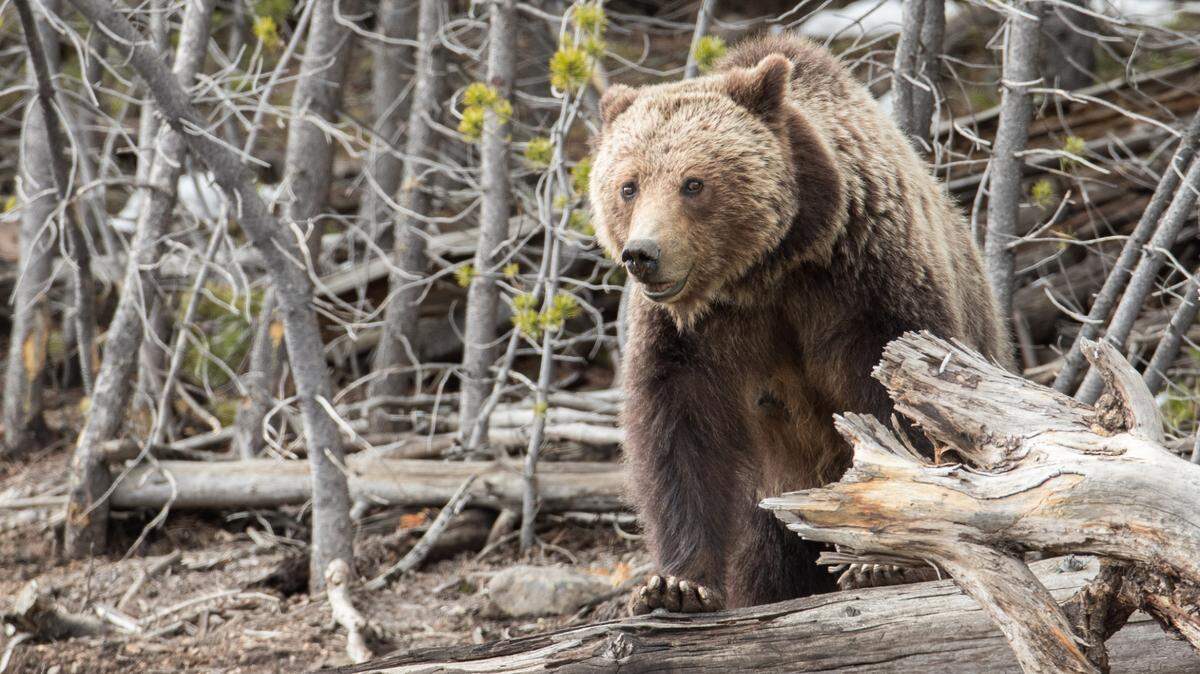
If you feed bears because you’re trying to photograph them, you’re likely to get busted. But feeding bears in 12 states and national forests in ten of those states is fine if you’re only trying to kill them.
Shooting bears over bait is legal in Alaska, Arkansas, Idaho, Maine, Michigan, Minnesota, New Hampshire, Wisconsin, Wyoming, Utah, Oklahoma and New Jersey.
As I write (mid-August), outfitters are festooning the woods with bags and buckets full of such garbage as stale donuts, old candy, bacon fat and rotten meat, thereby teaching adult bears and their cubs that it’s safe, in fact advantageous, to hang around humans. During hunting season, the conditioned bruins will be executed at point-blank range by newly arrived, seated shooters.
The practice is anathema to wildlife advocates. This, for example, from Wayne Pacelle, president of Animal Wellness Action: “Placing garbage piles in our national forests to ambush bears is not hunting. It’s an unsporting and reckless practice that puts wildlife and people at risk.”
Hunters — me, for instance — are equally repulsed, maybe more so. Pacelle has it right that bear baiting is not hunting. It’s assassination. It gives fair-chase hunters and modern wildlife management a bad name.
“How sporting is it to shoot a bear with its head in a bucket of jelly donuts?” inquires fair-chase bear hunter Tom Beck, who ran Colorado’s black bear program and was outspoken in supporting a successful ballot measure to halt bear baiting.
“What aggravates me most,” Beck told me, “is that wildlife professionals accept the claim that bears can’t be hunted without bait. I don’t believe anyone who says you can’t hunt bears in the fall when they’re on berries or nuts. You can predict where they’re going to be, and if you’re a woodsman, all you have to do is scout those places. After we banned baiting in Colorado, it took only two years for our hunters to get to the point where they were killing more bears than they were before.”
University of Montana bear biologist Dr. Charles Jonkel (1930-2016) condemned baiting as “unethical” and “unfair.”
“Baiting,” wrote Jonkel, “pulls bears from their normal range and may pull bears to sites where they are vulnerable to attack by other bears, other species, parasites, and diseases. Michigan, for example, now has a terrible livestock TB infection, which probably came from the bear- and deer-baiting stations… Baiting causes bears and other species, from insects to shrews, to congregate, creating unnatural food chains, interactions, fights, and predation. Baiting changes each bear’s relationship with other bears and with other species.”
When bears key in on human food, they cause trouble and wind up getting blown away by farmers, ranchers, game wardens and USDA’s Wildlife Services. And bears that lose their fear of humans are a public menace.
“A fed bear is a dead bear.” That’s the shibboleth of wildlife managers, including managers in the states and national forests that allow and promote bear baiting. Never condition bears to human food, they warn, even as they let outfitters do precisely that.
For example, the White Mountain National Forest in New Hampshire allows bear baiting while simultaneously issuing this counsel and regulation: “Don’t invite bears into your site by leaving food out. Keep food, garbage, coolers, pet food, canned or bottled beverages, and other bear attractants in a hard-sided vehicle… Feeding bears, intentional or unintentional [sic], is prohibited!”
On July 16, Rep. Shri Thanedar, D-Michigan, introduced the Don’t Feed the Bears Act to prohibit bear baiting on federal public lands.
“The practice of bear baiting creates danger for both people and animals, contradicting what federal agencies tell the public: ‘Do not feed bears,’” Thanedar declared. “This bill is about strengthening public safety, animal welfare, and responsible wildlife management.”
This one is not a close call. Bear baiting is a disgrace. It must end.
Ted Williams detests baseball, but is as obsessed with hunting and fishing as was the “real” Ted Williams. He is a former information officer for the Massachusetts Division of Fisheries and Wildlife and serves on the Circle of Chiefs of the Outdoor Writers Association of America.
This story was originally published August 14, 2025 at 4:00 AM.