
Idaho’s new law undermines the scientific accuracy of wolf depredation determinations | Opinion
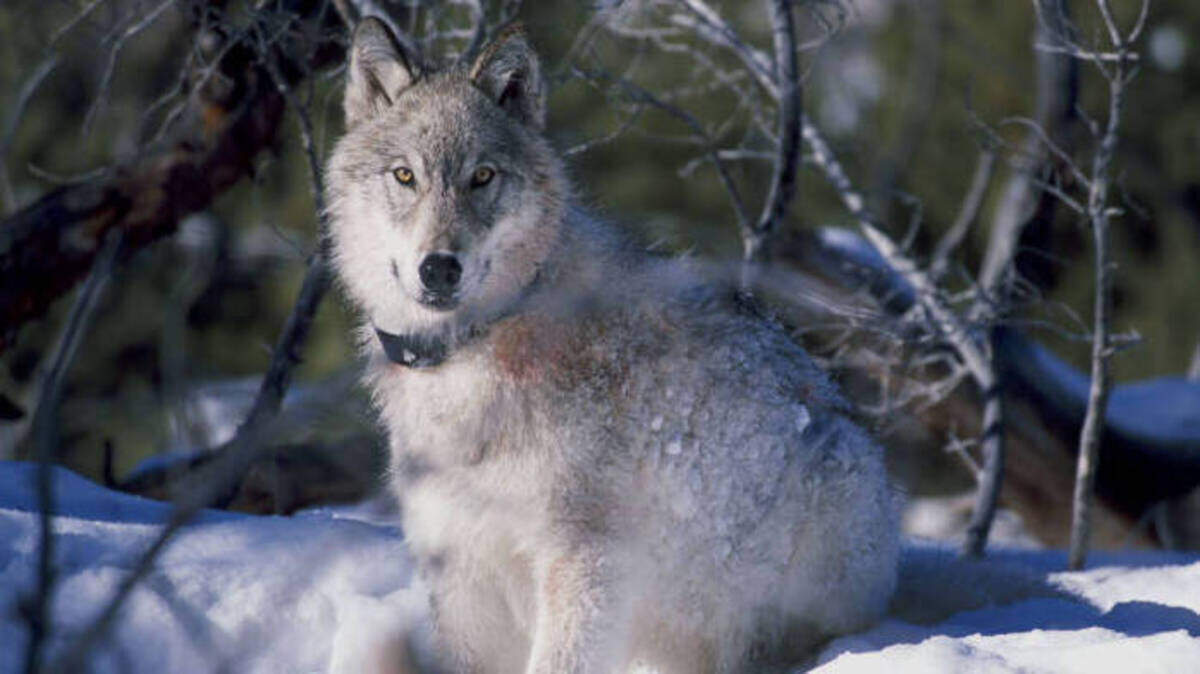
When livestock producers in Idaho experience a possible predation event involving wolves, mountain lions, black bears, or grizzly bears, they typically contact the U.S. Department of Agriculture’s APHIS-Wildlife Services. Within 48 hours, a federally trained investigator arrives to conduct a thorough necropsy (animal autopsy) to determine whether a predator was responsible.
These investigators examine carcasses for evidence of predation, assess muscle tissue for trauma, document findings with photographs, interview witnesses and survey the surrounding area for predator activity. Based on their expertise, they classify incidents as confirmed, probable, possible, unknown or other.
However, a new law threatens to undermine this science-based process. On March 13, Gov. Brad Little signed Senate Bill 1012 into law, creating the Idaho Depredating Wildlife Appeals Board. This board allows livestock producers to bypass professional Wildlife Services investigations in favor of a closed-door review by three individuals who may lack specialized training in predator forensics. The board consists of the director of Idaho Fish and Game (or their designee), the director of the Department of Agriculture (or their designee) and a veterinarian appointed by the governor. While veterinarians play a critical role in animal health, most are not trained in necropsies or in distinguishing the kill patterns of wolves versus coyotes, or black bears versus grizzlies.
This change raises serious concerns. The new board could lack the forensic expertise of trained investigators, yet it now has the power to overturn their findings, potentially leading to more compensation claims without solid evidence, all at the expense of taxpayers. Adding to the concern, trapping and hunting reports from the previous six months, along with prior depredation incidents in an area, can now be used as justification for overturning a Wildlife Services determination. Just because predators have been documented in an area before does not mean they were responsible for a specific livestock loss.
Some ranchers claim that wolves are chasing cattle to death through exhaustion, despite a lack of confirmed wolf activity, such as tracks or game camera evidence, and then leaving the carcasses untouched. This argument is often used to justify the absence of physical evidence, like bite wounds, on dead livestock.
However, it is highly unlikely that wolves would go after an animal and then not eat it. Wolves are opportunistic predators that rely on their kills for survival, and expending energy to bring down prey without consuming it would be counterproductive to their natural behavior. Will livestock producers now be able to receive taxpayer money without sufficient evidence to support their claims?
What does an increase in confirmed wolf depredations mean? It means more control actions to kill wolves, plain and simple.
This bill introduces unnecessary and redundant government bureaucracy, undermines trained investigators in favor of a potentially unqualified board, and opens the door for abuse of a taxpayer-funded compensation program. Rules for implementing this law will be developed this summer. Those interested in this process or seeking more information are encouraged to contact Living with Wolves to get involved.