
I’ve lived through informal eviction. And I’ve studied it. Here’s what I’ve learned | Opinion
When I began studying housing as an undergraduate student at Boise State in 2020 the median housing price in the Treasure Valley was around $350,000. My advisors, classmates, and I were shocked and concerned with this number. Today, as I continue my research as a graduate student, that number is nearly $600,000. Rental prices have increased along with housing prices, making it nearly impossible for tenants to keep the roof over their heads.
I was raised in rural Idaho and have lived in Boise for 17 years. I have been informally evicted twice in those years.
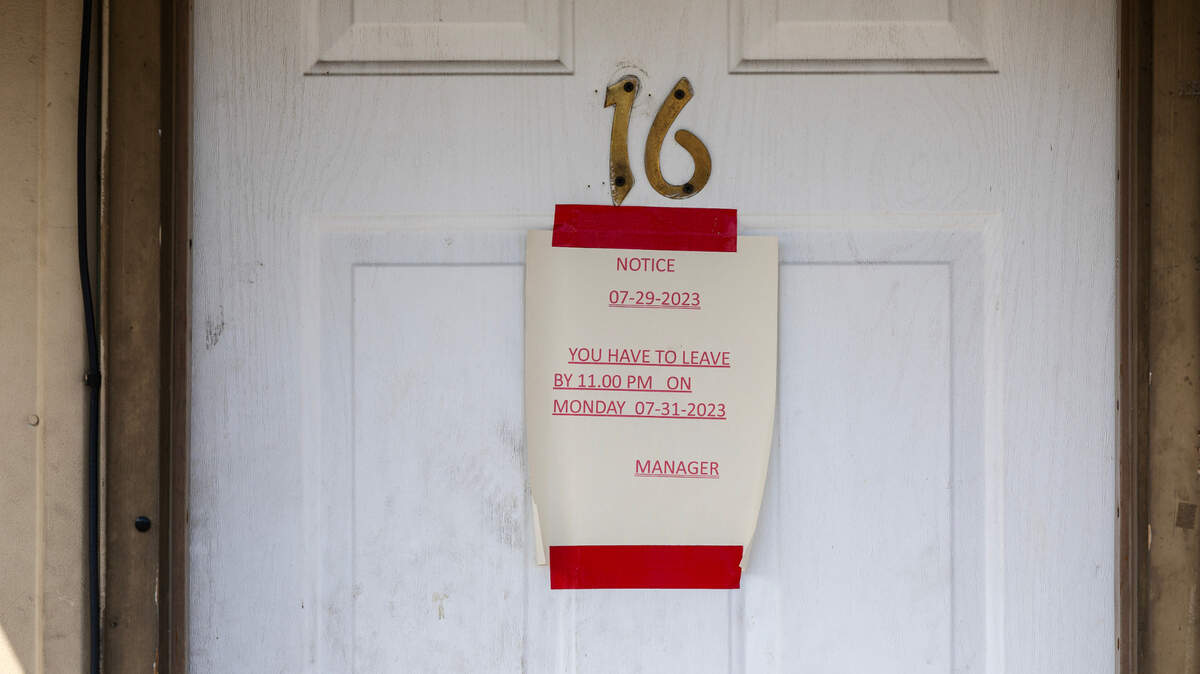
Informal eviction is what happens when a landlord evicts a tenant outside of the eviction court process, or a tenant moves out due to threats of court proceedings.
Frequently, this happens because the tenant does not understand the eviction process. I know that the first time I saw that little pink piece of paper that read “EVICTION NOTICE,” I wrongly assumed it meant I needed to move out in 3 days, and I did.
Tenants cannot legally be removed from the unit until a judge has ordered it. Some property managers are using eviction as an intimidation tactic. This is not the intended use of our courts or our tax dollars.
Poor mental and physical health outcomes can persist for years following an eviction. I can confirm this with research and personal experience. I have spent a significant amount of the last 15 years getting over the shame and loss of self-worth that comes with losing your home.
Along with physical and mental health issues, eviction has also been shown to cause years of economic consequences. Those who have experienced an eviction are far more likely to experience job loss and prolonged housing insecurity. The cycle of poverty is real, and at times it can feel more like a spiral.
Renters are not the only ones for whom eviction is expensive. In a recent Idaho Statesman article it was stated that two companies were responsible for 23% of all formal eviction filings in the Treasure Valley. This means that these two companies spent $34,362 on eviction filing fees alone. This does not include what the landlords paid in legal services relating to evictions, repair costs, and lost rent.
Renters make up 30% of Idahoans. They are teachers, plumbers, construction workers, retail employees, college students, and most of all, they are our neighbors. Without them, our community suffers.
Is preventing eviction the solution to the housing crisis? No. There is not just one good solution. The right solution is a collection of innovative ideas from every side of the issue. Good ideas are research-driven. We cannot just blindly throw money at the problem and expect it to go away.
The Treasure Valley is blessed with excellent housing organizations and dedicated individuals working on the issue. It is important that we collaborate and share our work to avoid duplication of efforts. We can’t let competition for limited resources destroy our collaboration.
Every step we take to keep people in their houses and to provide more affordable housing stock is a step in the right direction. We can identify and support landlords who are providing affordable rentals already. We can empower people to stay in the homes they have with mediation and rental assistance. We can encourage people to use accessory dwelling units or extra bedrooms to house long-term renters. We can offer bonuses to developers who build new affordable housing. We can make sure our new housing is dense enough to avoid sprawl. We can explore corporate workforce housing options. We can build creative sustainable developments.
There is so much we can do.
Through a series of extremely lucky circumstances, last month my husband and I were able to purchase the home we have been renting for 6 years. Are we still living in poverty? Yes.
But we have a roof over our heads and no one can evict us.
And to us, that is everything.