
The Northwest is choking on wildfire smoke. Residents deserve better national coverage | Opinion
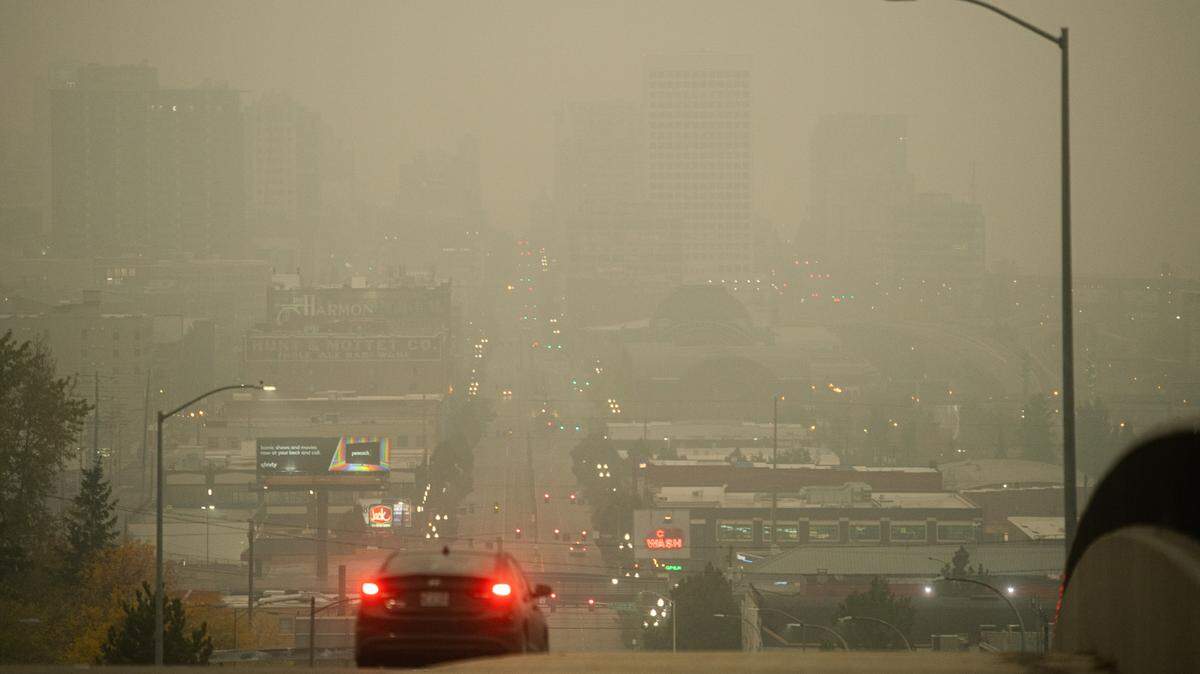
Before moving to Tacoma, Washington, in 2018, I’d never experienced wildfire smoke, but in September 2020, I vividly remember stepping outside to the smell of burning wood and the taste of ash.
A thick orange haze had settled over my neighborhood, a smoky blanket suffocating the life out of the vibrant early-fall days.
The two HEPA air filters I purchased on a whim worked overtime to filter the air inside my home. Cleaning them required the removal of a slick, grimy film that filled me with disgust.
People were breathing this.
Now, in 2023, smoke events have become all-too-familiar during wildfire season in the Pacific Northwest and, increasingly, across the country. The Tunnel 5 fire, which has burned more than 500 acres in southern Washington, is just the latest wildfire to threaten homes and businesses here.
But the story we’re missing amid these recurring apocalyptic scenes is the untold health burden from wildfire smoke, particularly its pernicious effect on socially marginalized communities.
Wildfire smoke, laden with harmful particulates, takes a toll on our health. Its myriad harms include respiratory distress, exacerbation of heart conditions, and premature death.
The effects these wildfires have on our health also amount to billions of dollars in costs for both Washington and Oregon.
However, despite numerous studies showing how wildfire smoke contributes significantly to public health problems, this narrative is often missing from national news discourse, especially when it comes to discussions of who bears the brunt of this burden.
A Media Matters analysis found that national TV news shows aired a combined 9 minutes of coverage about the heat wave that scorched the Pacific Northwest in May.
None of them mentioned climate change. And, during the more than 3 ½ hours of national TV news coverage on June 7 of the Canadian wildfire smoke event that created dangerous air quality conditions for large swaths of the East Coast, not only was climate mentioned just 15 times, the coverage also rarely contextualized the prohibitive cost of mitigation for socially marginalized communities.
The similarities between heat waves and wildfires are alarming: Both are climate disasters, both have grave health impacts, and both disproportionately harm the most disadvantaged among us.
Media narratives fall short of capturing this inequality. The flames, evacuations, burned structures, and apocalyptic skylines make headlines.
Meanwhile, the less visible but equally deadly health effects of the smoke, and the systemic disparities they underscore, are lost in the haze.
This is not just a reporting failure, but a clear demonstration of how the news media neglect their responsibility to highlight the broader social implications of extreme weather events.
It’s past time for news outlets to harness their considerable influence and do more than report the obvious.
Our collective engagement with these issues, fueled by comprehensive reporting, can pressure policymakers to take meaningful, targeted climate action aimed at sustainability and resiliency.
As someone who lived through Hurricane Katrina and now confronts the climate realities of my new home, my thoughts go to those bearing the worst of the climate crisis.
The elderly woman who lives alone down the street, the low-income families struggling to make ends meet, the communities on the front lines of our climate emergency.
They are the unseen victims of these increasingly frequent and devastating disasters, their struggles neglected even when the media direct their fleeting attention to the existential crisis of our time.
Their stories, hardships, and resilience cannot continue to be obscured in the climate narrative; only by acknowledging the full scope of these climate disasters can we take the first step toward meaningful action.