
An independent Office of Performance Evaluations keeps Idaho government accountable | Opinion
If you haven’t heard of Idaho’s Office of Performance Evaluations, you’re not the only one. The OPE isn’t flashy or sensational. Its purpose is as straightforward as its name: to conduct performance evaluations of state agencies or programs. Though that work may seem rather mundane to some of us, the OPE has done its job well, winning national recognition and awards for its high-quality evaluations.
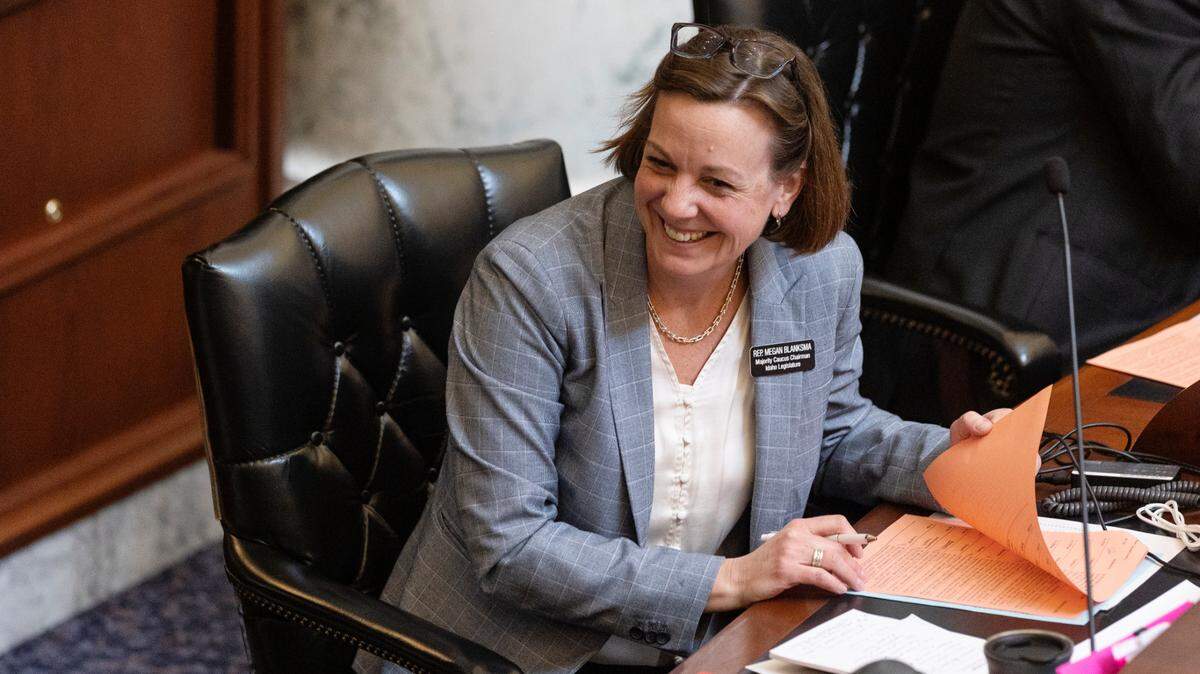
Unfortunately, some of our state legislators want things to change. House Majority Leader Megan Blanksma recently introduced House Bill 68 to remove the bipartisan Joint Legislative Oversight Committee and instead place the OPE under the Legislative Council, which is controlled by the majority party.
At Mormon Women for Ethical Government’s Idaho chapter, we are deeply concerned by this proposal because it would significantly undermine the independent function of the OPE. Our work is guided by our Principles of Ethical Government, one of which declares that conflicts of interest (and even the appearance of them) should be avoided in fidelity to the public trust.
Currently, the OPE is an independent, nonpartisan office — staffed by professional evaluators — that submits thorough reports to the legislature. Performance evaluations assess government agencies or programs on their efficiency, cost effectiveness, and success at meeting their objectives. The OPE has evaluated a wide variety of topics, ranging from Idaho’s child welfare system and volunteer EMS providers to public school buildings and residential care.
These evaluations identify ways to optimize programs and policies to use taxpayer money to serve Idahoans in the most effective manner possible. Ultimately, our elected officials decide whether or how the results of evaluations will inform policy — and rightly so. But who gets to decide which programs are evaluated? At present, legislators on JLOC vote each year on which topics to select, since there are more proposed topics than could possibly be addressed.
Proponents of House Bill 68 may suggest that the OPE’s ability to engage in quality, independent, fact-finding evaluations would not be diminished by giving complete control to one party via the Legislative Council. However, good research begins with good questions. The current system for review — having topics selected by a group of legislators from both parties and both chambers — is the essential first step in making objective and useful evaluations.
If the OPE moves directly under the partisan Legislative Council, there would be no established protections to ensure the level of transparency and accountability Idahoans deserve. It would increase the potential for evaluations driven simply by ideology, rather than a dispassionate assessment of effectiveness. Furthermore, public trust in the independence of the OPE would be substantially undermined if the director of the OPE serves at the pleasure of the Legislative Council.
In 2019, Republican state Sen. Abby Lee recognized the importance of evaluations remaining independent, noting that: “as much as possible it takes it out of that political arena.” These evaluations should continue to be selected to address questions representing the interests of a wide range of Idahoans, not just a handful of legislators with a particular agenda. Why are politicians now seeking to put the OPE into the political arena?
We deserve transparency and accountability in government. The OPE system is not broken; legislators should explain why they want to change a system that is working so well. Would the new process better serve the citizens of Idaho or a narrow set of political interests? Idaho’s OPE has been working successfully for years. It has conducted credible evaluations to inform our legislators — and ultimately Idaho’s citizens — about which state programs are using resources well, where the problems are, and how things could be improved.
Dissolving JLOC and placing the well-functioning, independent OPE under the oversight of the Legislative Council certainly appears to be a conflict of interest. The Legislature should not pass House Bill 68. For the sake of public trust, let’s keep a good thing going.