
NOAA report ends debate: Dams on the lower Snake River must be breached for salmon
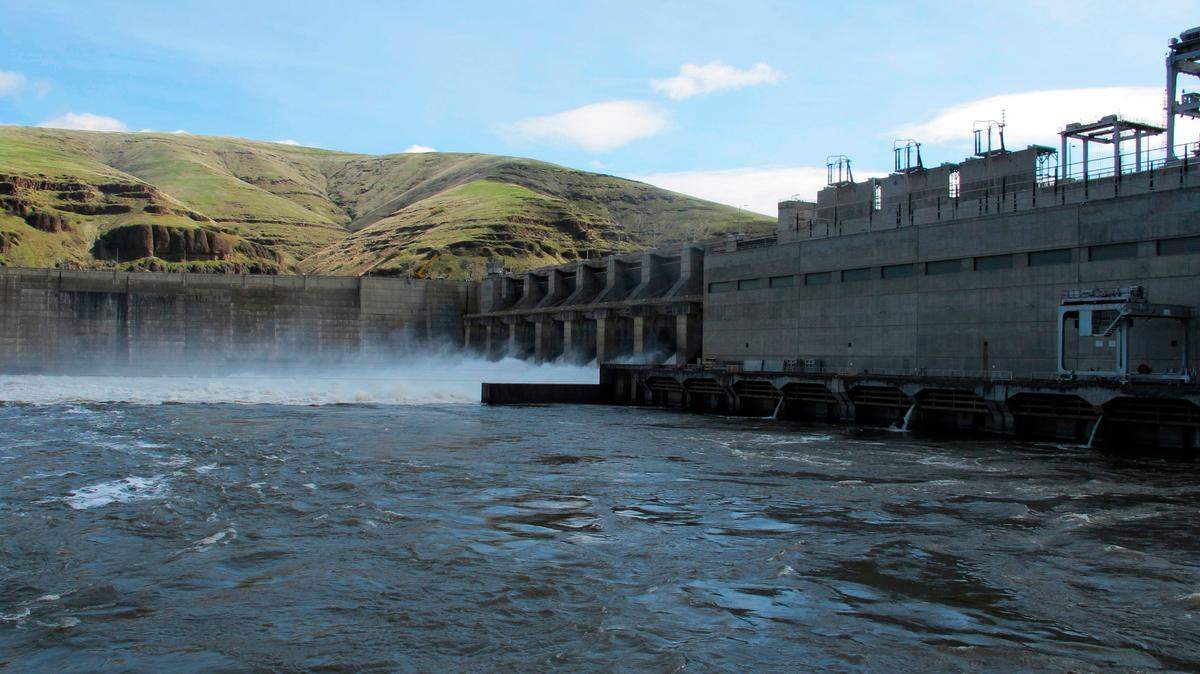
The Snake River Basin should be the largest wild salmon and steelhead stronghold in the continental United States, with its cold, clean water fed by high-mountain snow and its thousands of miles of high-quality habitat — much of it in protected public lands.
It should be a stronghold, but it’s not.
The Snake’s wild salmon and steelhead are barely hanging on. Numbers of returning fish have fallen precipitously over the past half-century. This fall, NOAA Fisheries, the federal agency in charge of recovering salmon and steelhead protected under the Endangered Species Act, settled any question about how to recover them. NOAA concluded that if we want to achieve healthy, harvestable populations of Snake salmon and steelhead, one thing we have to do is remove the four dams on the lower river.
This was not mere speculation. NOAA cites a growing body of evidence that dam removal provides substantial benefits to fisheries, and generally recovery occurs faster than forecast.
The path to this future of thriving salmon and steelhead starts with a vision built around things people need and cherish.
For Indigenous tribes, recreational anglers, commercial fishers and fishing-dependent businesses, it is flourishing salmon and steelhead. For farmers in the Palouse, it is a reliable grain transportation system. For irrigators in the Snake River Basin, it is adequate water supply. For power customers — that’s all of us — it is clean, affordable energy.
If the dams must come out to recover Snake River salmon, then the benefits they provide — electricity, irrigation water, and grain transportation — must be provided through other means. The good news is that they can be replaced with practical actions, as a study commissioned by U.S. Sen. Patty Murray (D-WA) and Washington Governor Jay Inslee concluded in August.
For example, much of the electricity benefit can be provided through terminating the antiquated Columbia River Treaty with Canada, conserving power through demand-side management, and re-regulating the Columbia River to reflect the characteristics of today’s power loads and resources, not those of the 1960s. Similar steps are possible to address irrigation and grain transportation.
We can have what people need and cherish if we unite around a common vision and work together to secure them. Across the United States, other major ecosystem restoration projects are underway. In Florida’s Everglades and the Chesapeake Bay, ambitious projects are underway to meet the needs of people and the rich array of species that live there. The Murray-Inslee report estimates comparable costs for removing the lower Snake River dams and making the power, agriculture and transportation stakeholders whole.
Securing funding for such a project requires experienced, savvy members of Congress from both political parties, a presidential administration ready to invest in America’s future, and support from Northwest governors. We have all three.
Senator Murray and U.S. Reps. Mike Simpson (R-ID) and Earl Blumenauer (D-OR) are senior members of Congress who support the investments necessary to replace the benefits the dams provide so that the lower Snake River can flow free again. Governor Inslee and Gov. Kate Brown of Oregon also support such a solution. The Biden administration has demonstrated its willingness to make major infrastructure investments to position the country for success, and wants a long-term, durable solution to Snake salmon recovery that ends decades of acrimony and litigation.
Now is the time for our leaders to step up. We urge the Biden administration to initiate a process that will identify the region’s power, agricultural, and transportation infrastructure needs and get those projects on the ground so the lower Snake River dams can be removed by 2030. We urge the Northwest congressional delegation to work across the aisle to secure the funding needed for that infrastructure, and to authorize removal of the dams once that foundation has been laid. And we urge the governors of Oregon and Idaho to work with their state legislatures to make this vision a reality, as Governor Inslee has committed to do.
In the 20th century, Pacific Northwesterners were ambitious and willing to work hard to bring public funding to the region. As the Murray-Inslee report stated, change in the Columbia Basin is inevitable. We can either embrace that reality and make the necessary investments so that all communities of place and interest have an opportunity to thrive, or we can remain divided, unprepared for the change that is coming.
It is time for those who cling to the past to step aside. A prosperous, just future for the Northwest requires big change and urgent action.
We believe we can still do big things in America. The time for bold action is now.