
Boise Police Department wise to recognize benefits of broadening officer candidate pool
The Boise Police Department recently announced updates to its hiring criteria and overall strategy to encourage and support officers in pursuing higher education. This decision will increase the experiential diversity in the department at a time when, nationally, departments are seeing an overall hiring crisis.
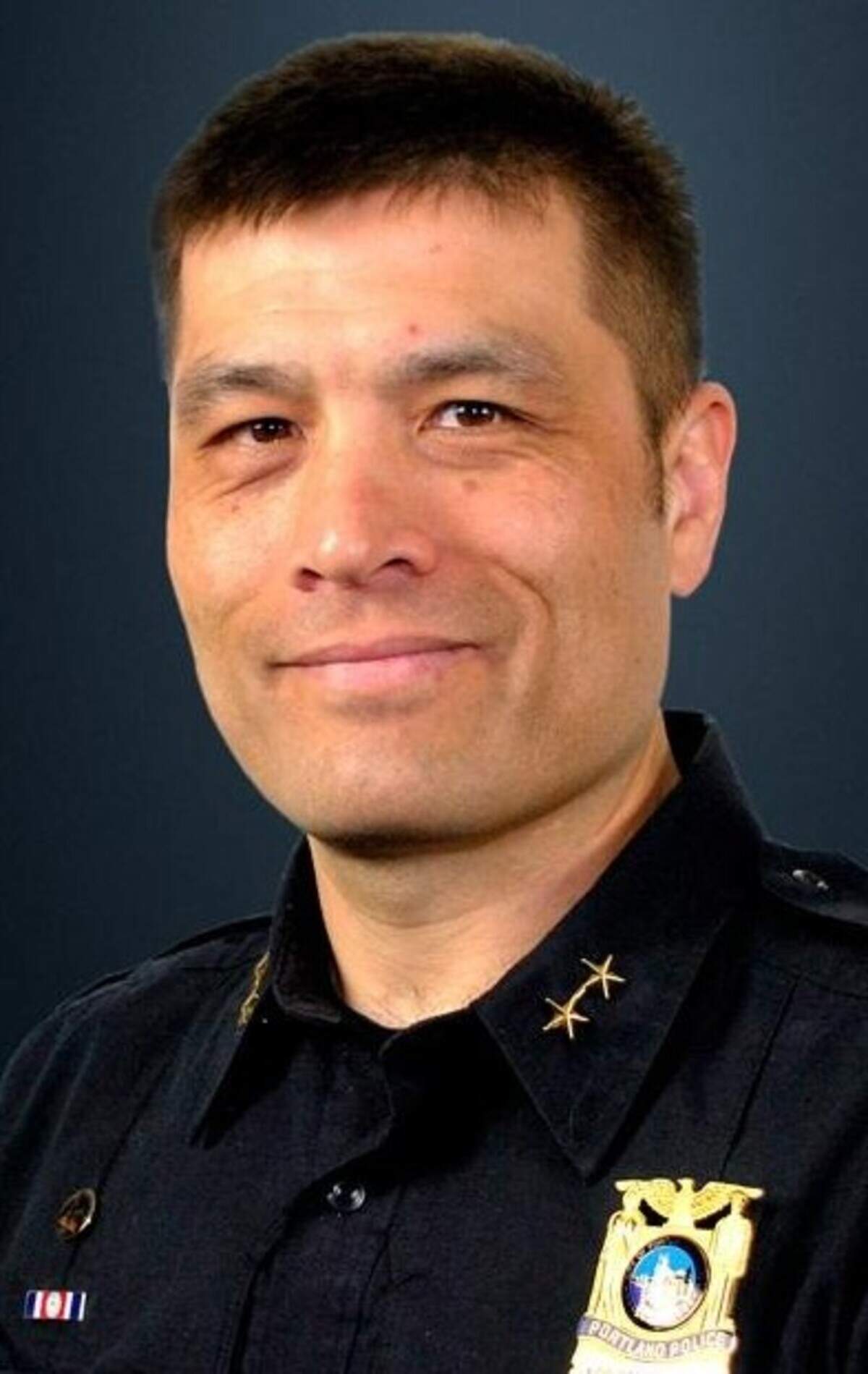
While BPD continues to see a decent size pool of candidates with college credits, we are continuing to strive to have a department that reflects our community. By removing the barrier of requiring college credits, we are already seeing more applicants who grew up here and are looking to serve their community as a Boise police officer.
Above all, we need applicants who bring compassionate leadership, creative problem solving and a heart for service. We can provide them with the training and skills to serve in a career as a police officer.
Together with the Boise Police Department union and the College of Western Idaho, we looked into how we could create pathways for new officers to earn college credits while working in our department.
In early 2021, the Boise Police Department established a Training, Education and Development Division that specifically includes the word “education” because we expect officers to receive ongoing education throughout their careers.
Boise is leading the way for other police departments in this field, and last year the department established a career-long human and civil rights education program for employees. We also require college degrees for senior leadership positions in the department. Just this year, a newly promoted captain went back to school to earn his degree as a requirement for the position, and we are proud to say he graduated with a 4.0 GPA and is under consideration to speak at his commencement.
Adding an option for new officers to enter the department with a growth mindset and the knowledge that continuing education will be part of their career was an opportunity to strengthen our commitment to education.
Another example of the merits of this approach is our current Deputy Chief Tammany Brooks, who had the opportunity to become a police officer after earning his GED.
He went on to get a bachelor’s degree then a master’s degree while serving his community. Through continuing education, he graduated from several police leadership schools and went on to have a very successful career in Antioch, California. It was a career that would not have been possible if someone didn’t recognize his character, compassion and empathy for other people. Brooks became the chief of police and honorably served the community he grew up in for 26 years before starting a new chapter in Idaho.
We would like to give police officers and other Boise Police Department employees in Boise that same opportunity to succeed.
The concept of right-sizing college credit criteria was reviewed by the Boise City Council and discussed with the Boise Police Department union and our community advisory panels. In each review, it was clear this was a positive move for our department and our community. Many of the people we spoke with knew of an individual who had the moral fiber and ethical fortitude to make a great police officer and who wanted to apply but were working two jobs or otherwise did not have the ability to get 60 college credits in their current situation.
We also heard from people who could not afford college without also having a steady well-paying job. Hearing stories about individuals who had been working hard to support parents, siblings and children and then dedicating all their earnings to their families drove us to say, “These are the people we need as police officers, and we want to support them in their education goals.”
Candidates for police officer are selected after a very competitive hiring process that includes a detailed and lengthy background check, written exam, oral board and physical fitness test among other personal assessments. There are also many minimum qualifications. In lieu of the college credits, we will look for at least three years of full-time employment or other relevant life experience.
For many years, the Boise Police Department has put an emphasis on recruiting and hiring for content of character and working to make the Boise Police Department a reflection of our community. After years of efforts toward this goal, we undertook a review of our hiring practices and ongoing training and education to determine whether we could improve and how.
During our research, we explored police hiring practices from other agencies and found that requiring 60 college credits limited both the size and ability for the applicant pool to mirror the population and provide the diversity of experience we need.
After a lengthy background and testing process, candidates who are hired attend a seven- to 22-week police academy at Boise Police Department. That is followed by at least 14 weeks of field training. We will also work with officers to guide them toward getting 60 college credits in five years. Through a partnership with the College of Western Idaho, officers can gain college credit for their police academy training. TEDD has also worked with CWI to create options for officers to continue their education at CWI and potentially transfer to BSU or another affiliated college/university to work toward a bachelor’s degree.
First and foremost, we are looking for future officers who are committed to fairly and justly serving and protecting every member of our community.
The decision to change the department’s hiring criteria was made after many discussions with community members and subject matter experts. In our experience hiring police officers and studying the potential impacts of this change, we have found that the order an officer begins a career and receives an education does not have a direct impact on their success in this profession.
What stands out to us is the number of people with strong ethics and character who would not have the ability to serve our community as a police officer without this opportunity. It’s a disservice to Boise to ignore those compassionate, driven, service-minded candidates.
Life experience comes in many forms other than college and while we recognize the value in a college education, it is not the only way to enhance critical thinking and understand other perspectives.
As employers, we are wise to recognize that many of the most important lessons learned in life come from places other than the classroom, as reflected in the incredible and diverse community members that we serve.