
PACT Act would serve veterans exposed to chemicals. Risch and Crapo should support it
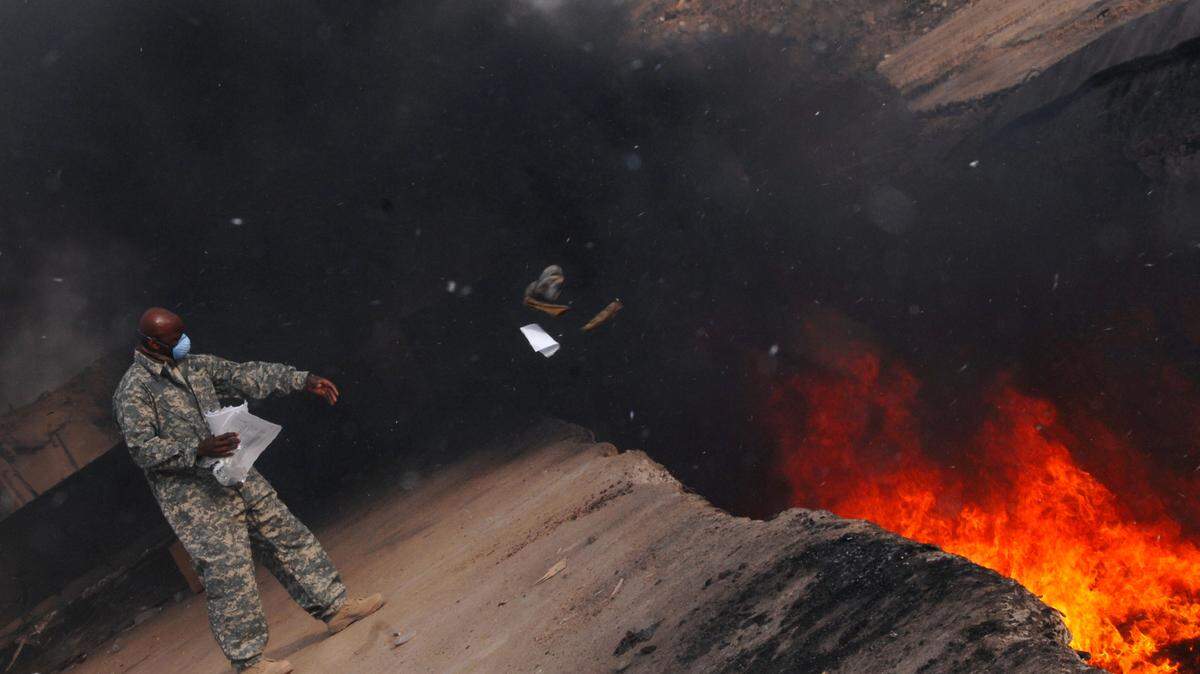
I nearly lost my life while serving in the Army in Kosovo in 2001, after coming into contact with residual chemical weapons left over from the Albanian-Serbian conflict. One moment I was talking with my fellow soldiers. The next, I was in acute respiratory distress and had slipped out of consciousness. My odds of survival were so slim the Defense Department sent my mother an American flag to be draped over my coffin and dispatched an officer to escort my body home.
Two months later, I awoke from a coma unable to move. I had suffered a traumatic brain injury from lack of oxygen and was told I would never walk again and likely wouldn’t live beyond age 30. While I have managed to surpass those odds with hard work, determination and support from organizations like Disabled American Veterans, the effects of the chemical exposure will be with me for the rest of my life.
Each day, other veterans like me suffer from chronic illnesses and face devastating health prognoses as a result of toxic exposures during their time in service. These veterans must often fight a war on two fronts — one against the conditions that ravage their bodies and the other against the government as they try to obtain the health care and benefits they need. Many die before that ever happens.
In February, the House Veterans Affairs Committee passed the Honoring Our PACT Act — bipartisan legislation that would provide health care based on toxic exposures, add related diseases, expand covered location and activities, and create a framework for establishing presumptive diseases in the future. The fate of this critical legislation is now in the hands of the Senate.
This is not a singular problem for veterans of our most recent wars, although much of the focus today is on the 3.5 million veterans the VA estimates were exposed to burn pits and the chronic health conditions that are caused by inhalation of foreign particulate matter. But this is a multi-generational issue, and we continue to have this conversation generation after generation because nothing was done over the span of decades to properly address how the VA handles illnesses that stem from toxic exposures throughout the span of military history.
Mustard gas. Agent Orange. Chemical weapons. Airborne hazards. Contaminated water. The list goes on. There isn’t a system in which exposed veterans do not have to wage an exhaustive war to prove their conditions should qualify them for VA health care, while they simultaneously fight for their lives.
The PACT Act is the closest we have ever come to addressing this issue for our military veterans, and the bill has wide support, including from President Biden, the VA, more than 60 veteran and military service organizations —including Disabled American Veterans , Veterans of Foreign Wars, the American Legion, Iraq and Afghanistan Veterans of America, the Military Officers Association of America, and Wounded Warrior Project. Comedian and advocate Jon Stewart is also behind the PACT Act.
The Senate, including lawmakers in Idaho — Senators Crapo and Risch — must vote yes on the Honoring Our PACT Act.
There are over 100,000 veterans in Idaho, each proud of their service. But many of them — from World War II to present day — have been placed in contact with extremely dangerous materials as part of their jobs in the military and now suffer the lifelong consequences of those exposures. We need the PACT Act to become law before our same fate befalls one more generation of our nation’s veterans.
This story was originally published June 8, 2022 at 4:00 AM.