
Idaho Republicans should reach out to Latino voters and consider stance on Puerto Rico
Republicans ought to do a better job reaching out to Latino voters. KTVB reported on Oct. 12 that “the 2020 census shows nearly 13 percent of Idaho’s population indicated they were Hispanic or Latino in the 2020 census — an increase of 1.5 percent from 2010.” If Republicans stress family values, support for job creation and self-determination to reach out to Hispanic voters, they may perceive that Idaho Republicans are listening to issues they care about.
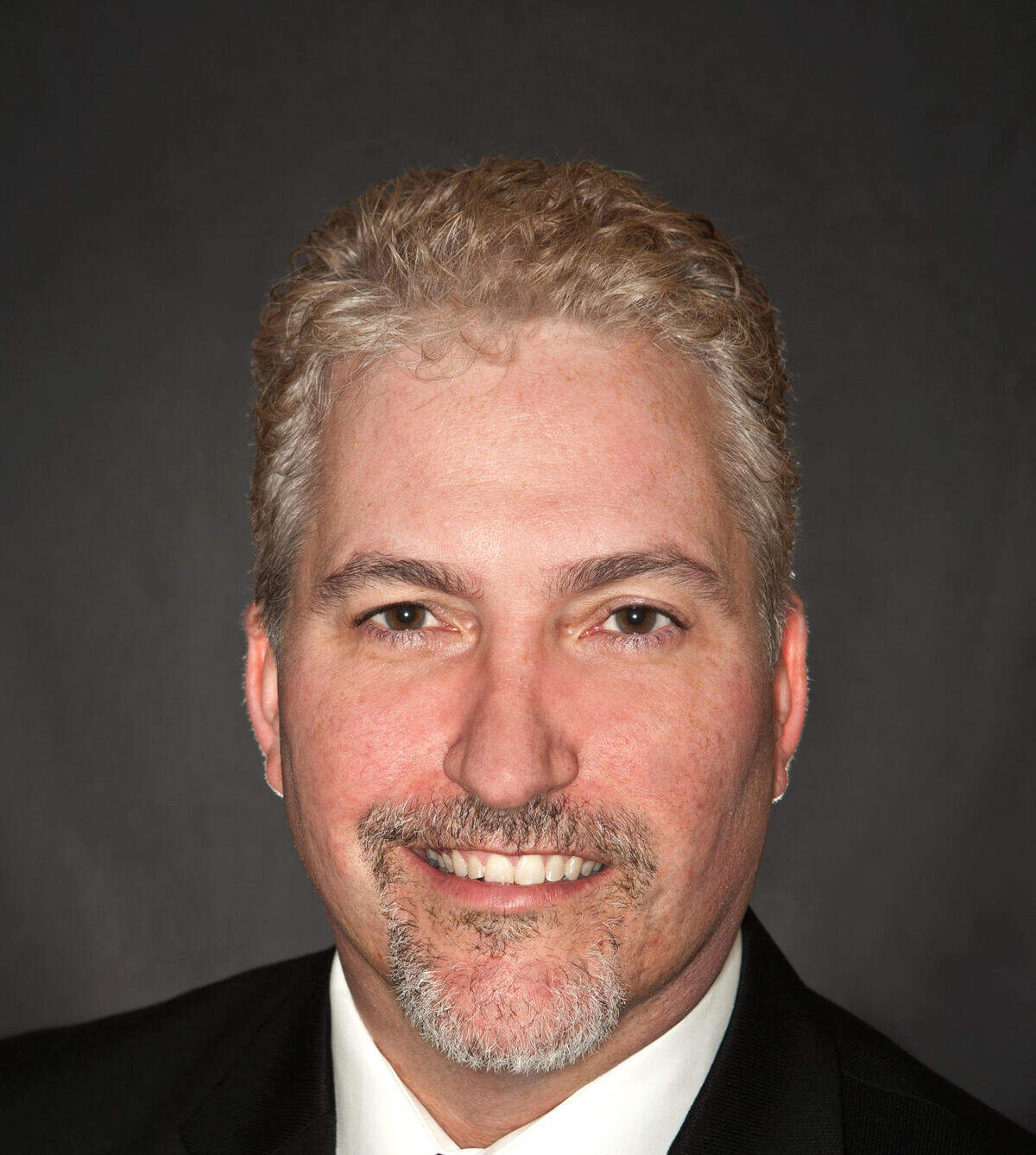
I am a former communications director for Rep. Raul Labrador who served in the U.S. House of Representatives for four terms. As an American born in Puerto Rico, he was a leader in the House for the liberty movement and an example of the appeal the Republican Party can have for Hispanics.
Labrador, who followed his time in Congress with a stint as chair of the Idaho Republican Party, is the type of leader who helped with Latino outreach efforts. Republicans showed some progress on Nov. 2, according to Giancarlo Sopo who told Politico “when you examine the actual election results in Virginia, New Jersey and Texas last night, it’s clear that Republicans are continuing to perform well with Hispanic voters.”
Soon, the House Natural Resources Committee will hold a hearing on legislation granting statehood for Puerto Rico and an alternative proposal to set up a status commission to further study the statehood issue. Idaho Republican Rep. Russ Fulcher, who replaced Labrador in Congress, now sits on the committee, and will participate in the hearing. Statehood is being pushed by a Republican member of the committee, Rep. Jenniffer Gonzalez, the resident commissioner for Puerto Rico. It will be interesting hearing the debate on the pros and cons of statehood.
The Republican Party platforms of 2012 and 2016 strongly supported statehood. Ronald Reagan supported statehood. Republican supporters of P.R. statehood, including my former boss, point out that former Puerto Rican Gov. Luis Fortuno was a Republican who cut taxes and was very popular. The facts speak to a complex situation with Puerto Rico looking more independent than allied with either party, unlike potential D.C. statehood, which would produce firmly Democratic results from its residents voting.
Puerto Rican statehood is merely one issue of many that concern Latino voters. Overall, polling data indicates that a growing Hispanic voting bloc has some conservative leanings. The Pew Research Center polled Hispanics and found that they lean more conservative on the issue of abortion than the voting public at large and were more likely to attend church. The creation of jobs and pushing business-friendly policies is another possible area to attract Hispanic support for Republicans.
There are elements of the Hispanic voting blocs that focus on opposing the oppressive regimes in Cuba and Venezuela and focus on the idea of self-determination. This is just and correct. In Puerto Rico, the most recent plebiscite in November of 2020 had 53% favoring statehood versus 47% against. This is consistent with votes from the past on the issue including plebiscites in 2017 and 2012. Most Puerto Rican voters want statehood.
Republicans must do a better job of listening to Latino voter concerns if they want to win over that voting bloc. Republicans and Latino voters don’t have to agree on every issue, but Republicans will need to show they are taking Latino issues seriously if they want more support. The upcoming hearing in the House Natural Resources Committee will be an opportunity to show Latino voters that Rep. Fulcher, who I know is a thoughtful man, is willing to have an open mind to the idea of Puerto Rican statehood.