
Wildland firefighter from Idaho urges Congress to pass pay raise and improved benefits
Wildland firefighting is grueling work. This summer, my crew and I clocked in over 950 hours of overtime mostly between June and early October. We began our season on April 12 and were laid off Oct. 30. That means in six-and-a-half months we’ve worked a year’s worth of hours based on a 40-hour per week schedule. And at $15/an hour, we make the same as most fast-food employees.
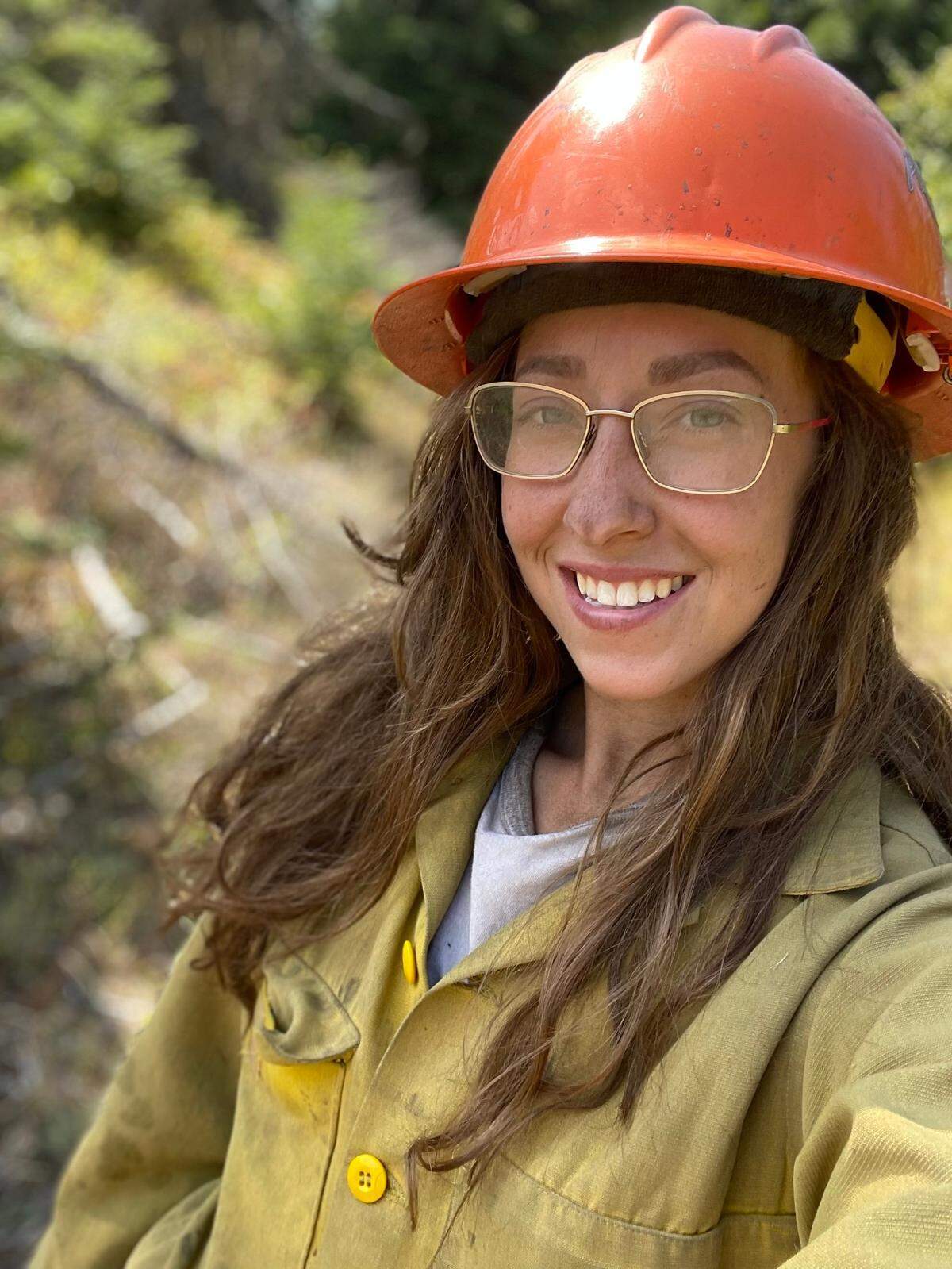
This year, we were called out for six 14-day assignments (plus travel) and were only home a few days a month. Most nights were spent near the fire, in gravel pits, next to interstates or crowded fire camps.
As we battle increasingly more intense and dangerous wildfires, undertake hazardous duties on the job and work long hours, the low pay and lack of adequate benefits provided is having a toll on all of us.
For the first time in a long time, Congress is starting to do something about it. Tim’s Act, a bipartisan bill led by U.S. Rep. Joe Neguse, D-Colorado, would provide a pay raise for federal firefighters, ensure fundamental benefits and recognize these unique conditions experienced by wildland firefighters.
This bill means a lot because with the increased pay and portal-to-portal provisions included, I would be able to make enough money to enjoy the winter off, and the housing stipend would help me save money on the place I rent, which is left empty for weeks at a time while I’m out on a job.
The legislation also provides much-needed health care benefits and support for mental health.
In only three seasons, my anxiety and mental health have noticeably gotten worse. I’m currently paying for online therapy but am unable to attend during the season because we’re never home and have limited cell phone service.
If this is a career I’m going to stay in, access to better mental health services and mental health leave are absolutely necessary. This bill provides both, ensuring every wildland firefighter is offered at least one week of mental health leave and by providing specialized trauma-informed mental health counselors who are trained to deal with the unique challenges that wildland firefighters and their families face.
Additionally, the bill would expand opportunities for hazard pay. This spring, the prescribed burns we participated in posed more health risks than most of the wildfires we were on. On a burn, it’s much more important not to let it escape the containment lines, so several people get stuck breathing in smoke for hours on end. Not only that, but prescribed burns also involve using drip torches or propane torches. A danger is involved in using either of those. Adding prescribed burns to hazard pay is necessary and long overdue.
When we’re on a fire hiking though dozed roads, with sand as thick as clouds getting kicked up and into our faces, we have no way to prevent ourselves from breathing it in.
When we’re mopping up a fire, digging and spraying water in the ash, we’re breathing in the silicon and other materials that will eventually give us lung diseases.
Better health care benefits now and after the fact, along with the new database provided in this legislation to track cancer and cardiovascular diseases for federal firefighters are crucial to improving the longevity of our lives.
Currently, wildland firefighters get paid for only 16 hours of work per day. If we work more than that, sometimes we have to fight to get the extra hours signed, because it would mess up the work-to-sleep ratio. But even when we’re sleeping, are we really off the clock?
Our crew has a specific dinner protocol, we don’t set up bed until orders are given and then it’s quiet time until our mandatory wake up time. And if we’re on an active fire, there’s always a chance we could get woken up in the middle of the night. We’re away from home, we have rules to follow, we don’t leave the fire or fire camp without special permission. Even when we aren’t on the fire line we’re working. This is why 24-hour pay is so important.
The bottom line is this, wildland firefighters are highly trained and highly skilled, and we work in dangerous, often hazardous conditions that provide a health and mental toll.
The pay raise and benefits provided in Tim’s Act will go along way to increase the quality of life for wildland firefighters, so we can continue doing the lifesaving work of protecting western communities, life and property.
Congress must pass this bill and provide wildland firefighters a long overdue pay raise.