
Bridging history and journalism: Arthur Hart’s legacy in Idaho
The 2020 Western History Association virtual conference featured a panel titled, “Writing for the Masses: How Historians and Journalists in the West are Bringing the Past to Bear on the Present.” During this session, the panelists encouraged the attendees to think about the opportunities to create historical content for public consumption in newspapers and magazines.
Many historians in the audience commented that working with journalists or writing for newspapers was a novel concept. I had the opposite reaction, likely because, for years, I have read the weekly column of former Idaho State Historical Society Director, Arthur Hart, on page 2 of the Sunday Idaho Statesman.
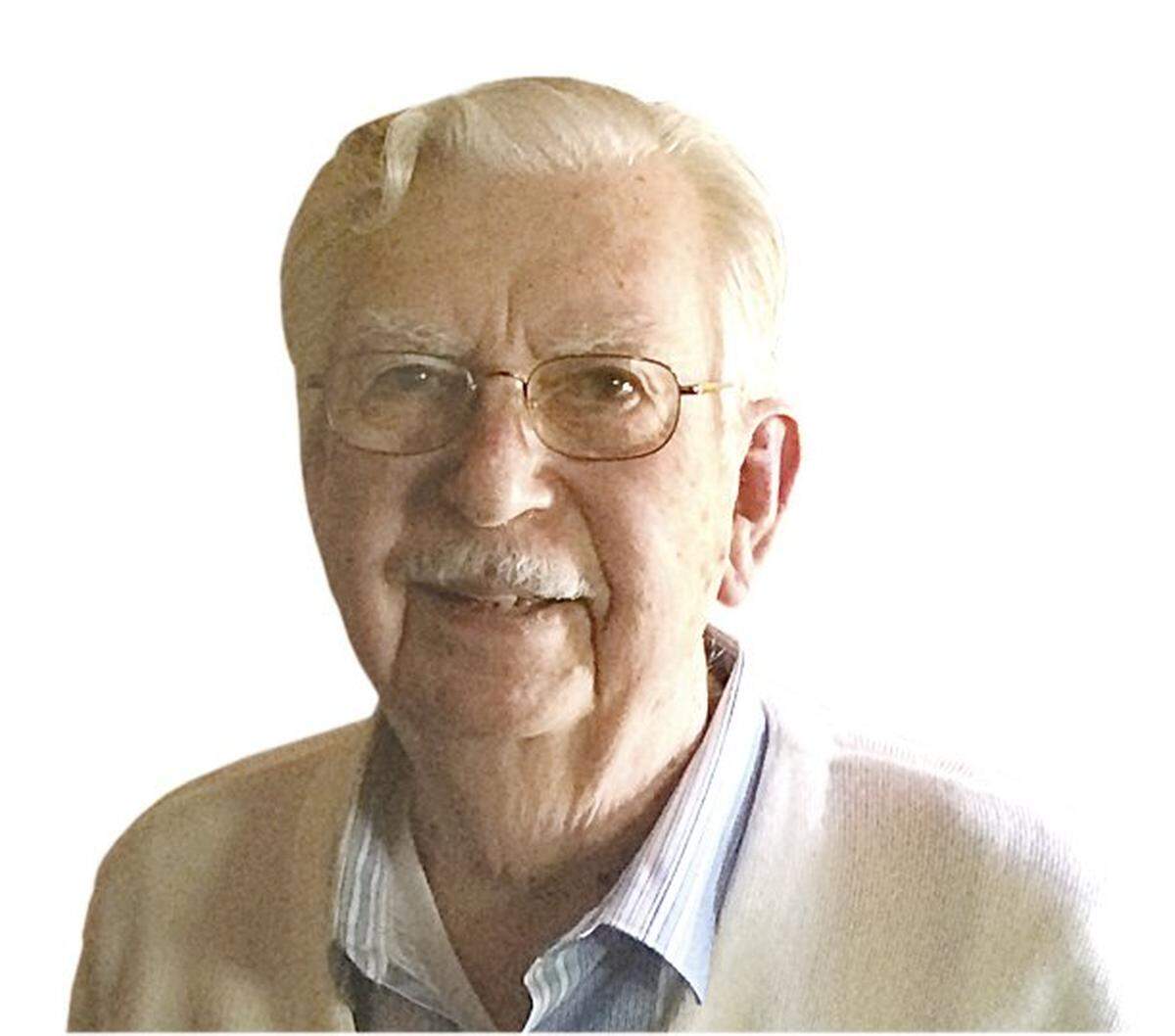
At age 99, Arthur had written his last Idaho Statesman column, but I know the legacy of his work and life will live on, especially if we can find the lessons he tried to teach, as he brought Idaho history to the masses.
Arthur A. Hart was born in Tacoma, Washington, on Feb. 13, 1921. He began his university career early, at age 17, and soon earned his Master of Fine Arts in painting, with minors in history and geography, from the University of Washington.
At the beginning of World War II, Arthur worked briefly for Boeing before the Selective Service drafted him into the Army Air Corps and transferred and stationed him in Europe.
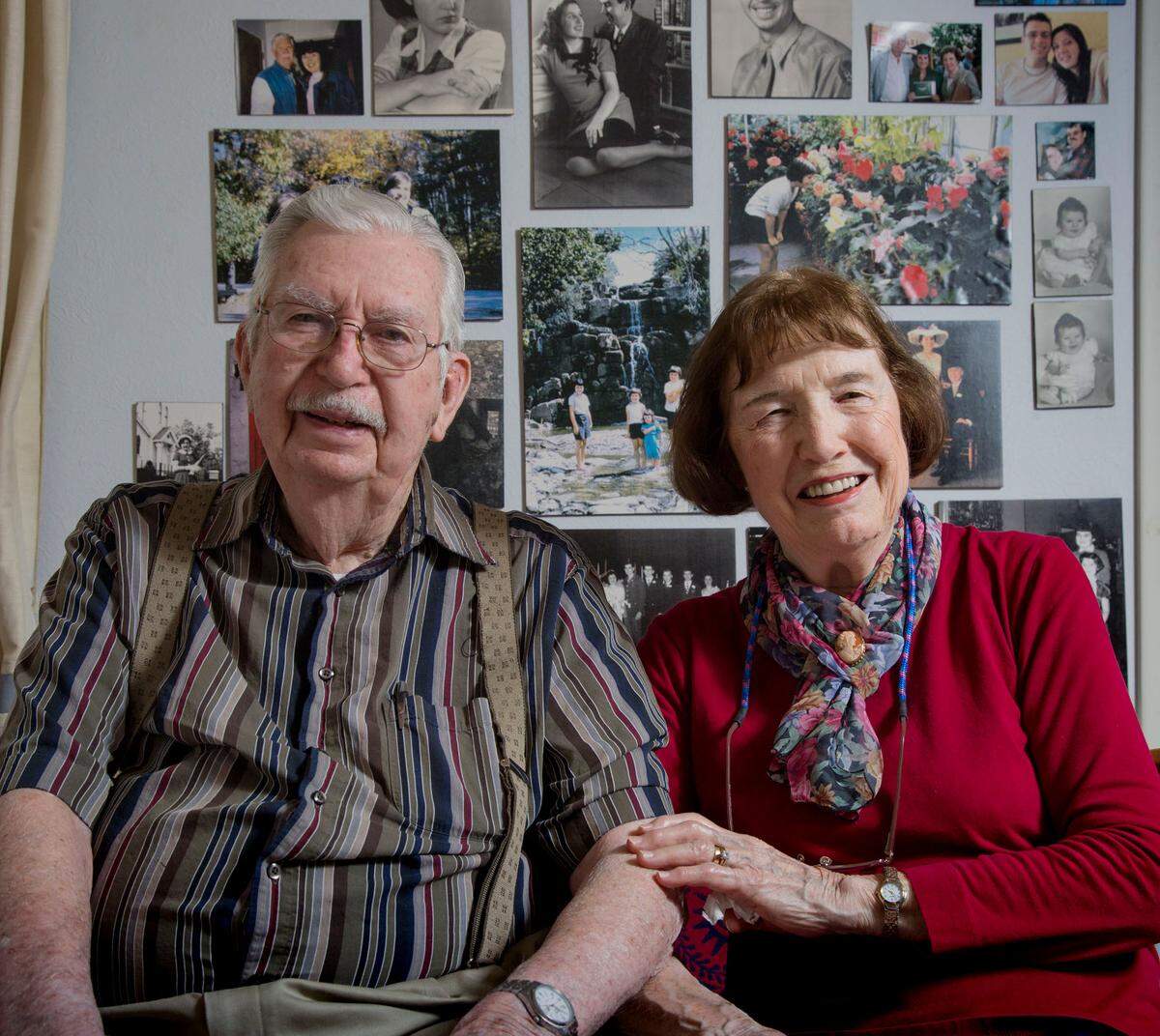
In 1948, he and his wife, Dee, made their way to the Gem State, where Arthur took a teaching position as the head of the art department at Caldwell’s College of Idaho. He held that position until 1955 when he and his family relocated to New England.
Between 1955 and 1969, Arthur lived and worked in New Hampshire, Washington and Massachusetts before landing again in Idaho.
In 1969, the Idaho State Historical Society hired Arthur as director of the Idaho Historical Museum, a position he held until 1975 when he became the agency’s executive director.
From 1969 until 1986, when he retired with the title of “Emeritus Director of the Idaho State Historical Society,” he worked diligently to expand the agency’s work through programs, preservation efforts, exhibits and collecting initiatives. But more importantly, Arthur brought visibility to the agency’s work and to Idaho history through the written word.
Throughout his career, he authored more than 20 books and completed book reviews for other published works. But by far, his most visible contribution to Idaho history is his more than 2,000 newspaper articles in the Idaho Statesman.
Between 1970 and 2020, Arthur took readers on adventure after adventure through Idaho history in his weekly newspaper columns. He likely reached a much broader audience writing for the newspaper than had he written for a historical journal. And in the spirit of the Western History Association panel, where the editors, journalists, and historians spoke of their experiences in bridging these two similar fields — here are the lessons I think we can all learn from Arthur’s weekly contribution to journalism and Idaho history.
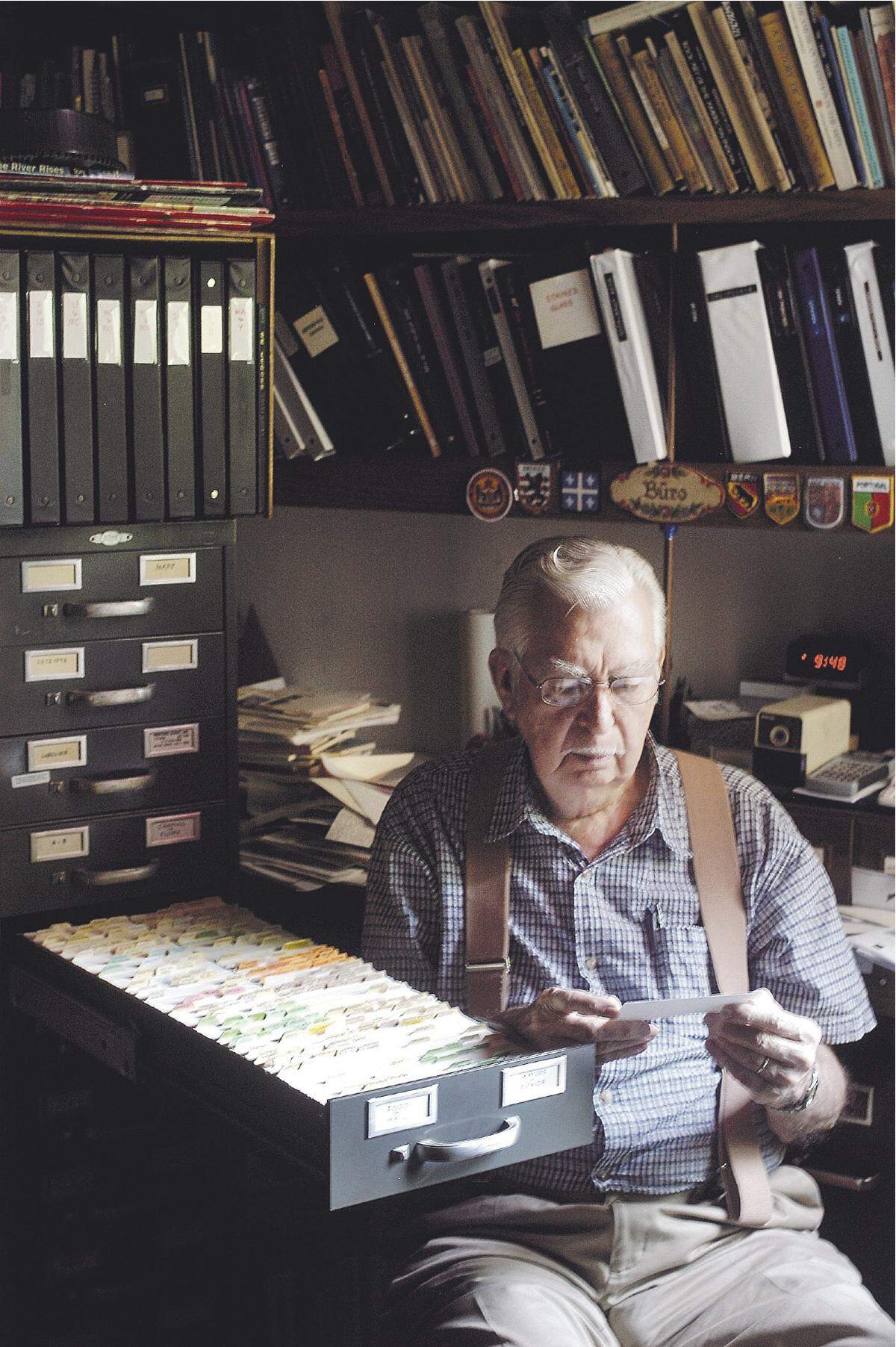
Consistency matters.
Arthur’s work appeared weekly in the same newspaper for more than 50 years. That alone is a testament to his passion for writing and his interest in his subject matter. Had Arthur written sporadically about Idaho history, the likelihood that the Idaho Statesman would have held such a prime placement for his column is nil. As historians, we must constantly engage with our audiences and remind people that history is more than just remembering facts or dates. Arthur’s work should remind us of the benefits of determination and tenacity in one’s work and that, as stated above, consistency matters. No doubt Idaho Statesman readers are mourning Arthur and his regular piece of content in their weekly newspaper.
Historians don’t have to be verbose to make their point.
Historians tend to write long, detailed, complicated, engaging, analytical, argumentative…(you get the point)…sentences. Newspaper columns have finite space — every word matters.
Every. Word. Carries. Weight.
Arthur’s typical history column spanned 500-800 words, a far cry from the 2,500-5,000 word limit of some academic journals.
Before the age of Twitter and the concern over character limits, Arthur ensured that his narratives about Idaho history made sense to the reader, provided insight and unknown facts, and fit the newspaper’s strict parameters. Writing for newspapers and magazines offers historians an opportunity to stretch their creative muscles and hone their craft. Arthur had decades of practice, but even looking back at some of his earliest articles, it is clear that he could write and that he enjoyed it.
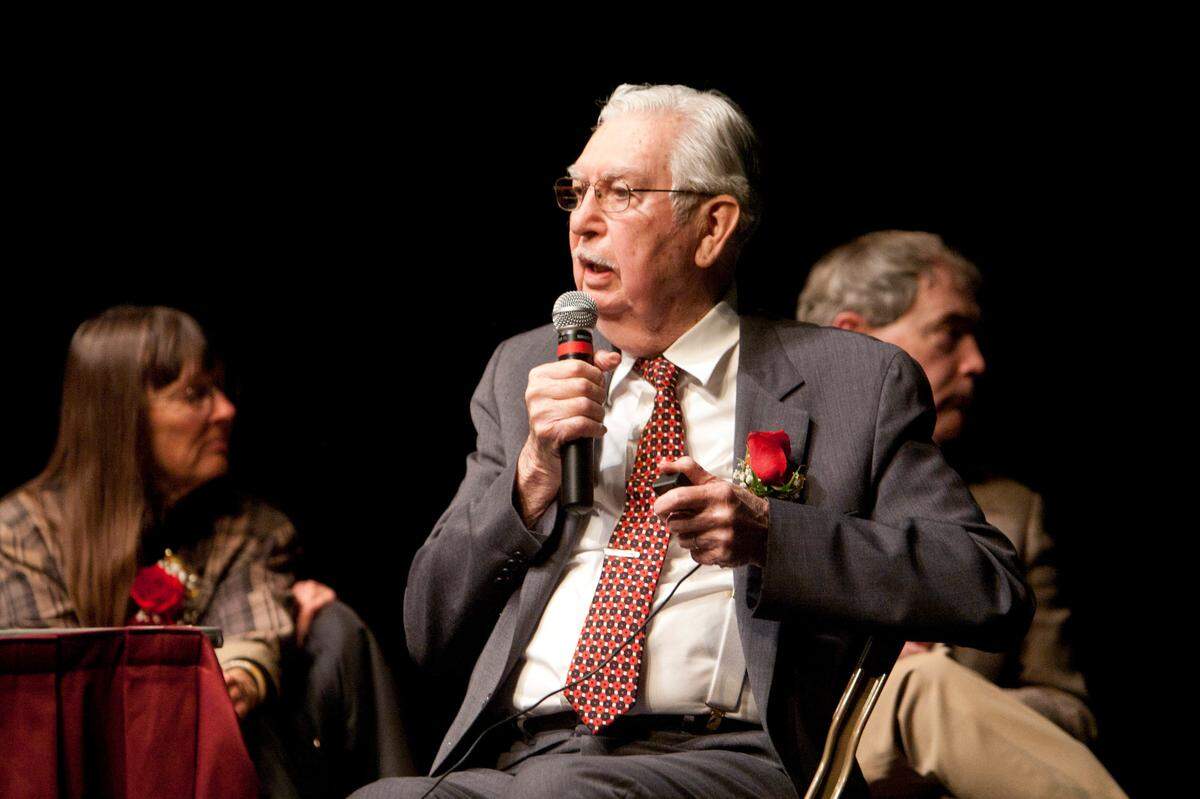
History always has a place in current events.
Historians know that history is relevant. That is what makes this field of study so attractive — inherent ties between the past, the present, and the future.
However, not everyone studies to become a historian, nor does everyone need to. As historians, we have the tools to explain the nuances of the past and the language with which to communicate with the public.
Now more than ever, historians and journalists need to come together to ensure that context always has a seat at the proverbial table, i.e., in your weekly or daily news. Making history more available to the public means that everyone can learn from the past.
Arthur’s 2,000-plus articles have certainly informed the readers of the Idaho Statesman about Idaho history — and even today, knowing that Arthur has, at last, put down his pen, we take solace in knowing that these columns will be available to the public and to historians in the form of microfilm and digitized articles.
Moving forward, we can only hope that other historians take up the call and continue to use newspapers (whether in newsprint or digital) to keep history at the forefront of our conversations about Idaho.
In memory of Arthur A. Hart, Feb. 13, 1921 – Dec. 9, 2020.
.JPG "Hart, Arthur 2017 office (1).JPG")
This story was originally published December 20, 2020 at 4:00 AM.