
Guest opinion: Are we finally ready to talk about racism in America?
The best way I can sum up the past couple of weeks have been “sad and fascinating.” Sad, because another black person, George Floyd, died because of a police officer’s unnecessary use of excessive force. Fascinating, because I’m witnessing the world’s reaction to it.
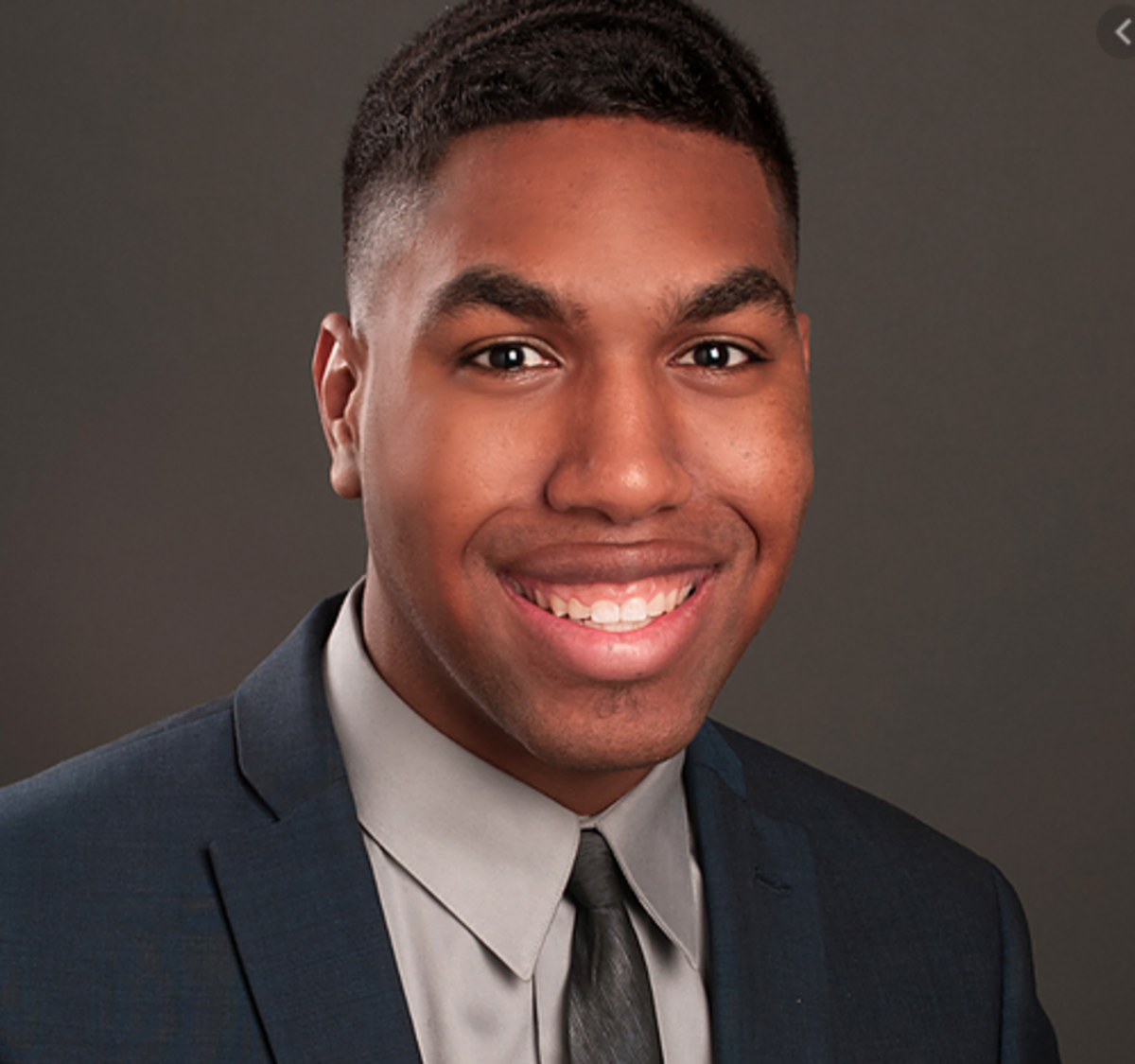
As a black person in media, I personally became discouraged about speaking of issues regarding racism, police brutality, and criminal justice reform. I became resigned to the fact that it wouldn’t make a difference.
I paid attention to the high-profile killings of black people and the lack of just punishment for their killers since 2012. I studied what happened in the cases of Trayvon Martin, Eric Garner, Mike Brown, Philando Castile, Tamir Rice, Walter Scott and others.
No matter how brutal the evidence or video, the people claiming there was a problem were talked down to or ignored by a large segment of the population. People picked their side and stuck with it. It no longer was an awareness problem. Everyone was clearly aware of what was happening. Not enough people (especially those in power) cared that black people were treated differently by the establishment/police for any change to take place.
In fact, none of this was new.
Martin Luther King Jr. (non-violently) told us what was happening. A 1966 Gallup poll found 63% of Americans had a negative opinion of him, and he was murdered. Olympic athletes Tommie Smith and John Carlos (non-violently) told us what was happening by raising their fists on the podium. They became two of the most hated athletes. Colin Kaepernick (non-violently) told us what was happening. He lost his career and became despised by NFL fans.
It no longer was an awareness problem by the 2016 presidential election, yet, the country elected the person who made it clear what he thought of people of color. That elected official said there were “very fine people on both sides” about a white supremacist rally in Charlottesville, Virginia. If that’s the pulse of the country, where was I supposed to have the optimism that people were ready to talk about the issues of systemic racism?
The last couple of weeks have reinvigorated my passion for speaking on these issues, because the reaction to George Floyd’s death seems different.
More than a handful of my white friends, colleagues and associates have reached out to me looking to start a conversation. Businesses that make their money by avoiding taking stances and offending anybody are releasing strong statements. Public figures who avoid controversy are actually talking. The crowds at the protests have more white people than ever, and some have police officers participating. Heck, even Boise had a powerful candlelight vigil that had as many as 4,000 to 5,000 people attend. That’s progress and a sign of growth that I flat out wasn’t expecting. I’ve been wondering what has made Floyd’s death different? Why has that connected in a different way?
People have given different answers; the fact there wasn’t a gun involved, the absurdity of 8 minutes and 46 seconds, that look on the cop’s face, even the coronavirus. Maybe it’s because it was so close to the timing of the Breonna Taylor and Ahmaud Arbery cases being at the forefront. The confluence of all those reasons made Floyd’s unnecessary death at the hands of the police seem more irrefutable for a lot of people. Which makes it easier to denounce. Which makes it easier to talk about. Which makes it easier to determine right from wrong, and hopefully for people to research and learn how we got here in the first place.
That’s why it is so important to black people for everyone, especially white public figures in power, to specifically address systemic racism, the effects on society, and how it manifests itself in policing now. If you can’t speak up and say the right thing, and begin the conversation on something this easy, then how are we supposed to trust you to have our backs when it isn’t as simple? When the evidence isn’t as clear? When there is no video and all that you see is a news story? How can we trust you to recognize the depth of the problem and take the steps needed to minimize the chances of it happening again?
The nation has told us countless times that nothing changes unless the people in power are inconvenienced or want it to change. So at least give us hope when the case is as easy and simple as George Floyd’s death. Otherwise, how do we know you will care if the hashtag is my name, and I’m no longer alive to speak for myself?