
Bad legislation sets a bad precedent for youth treatment centers in Idaho
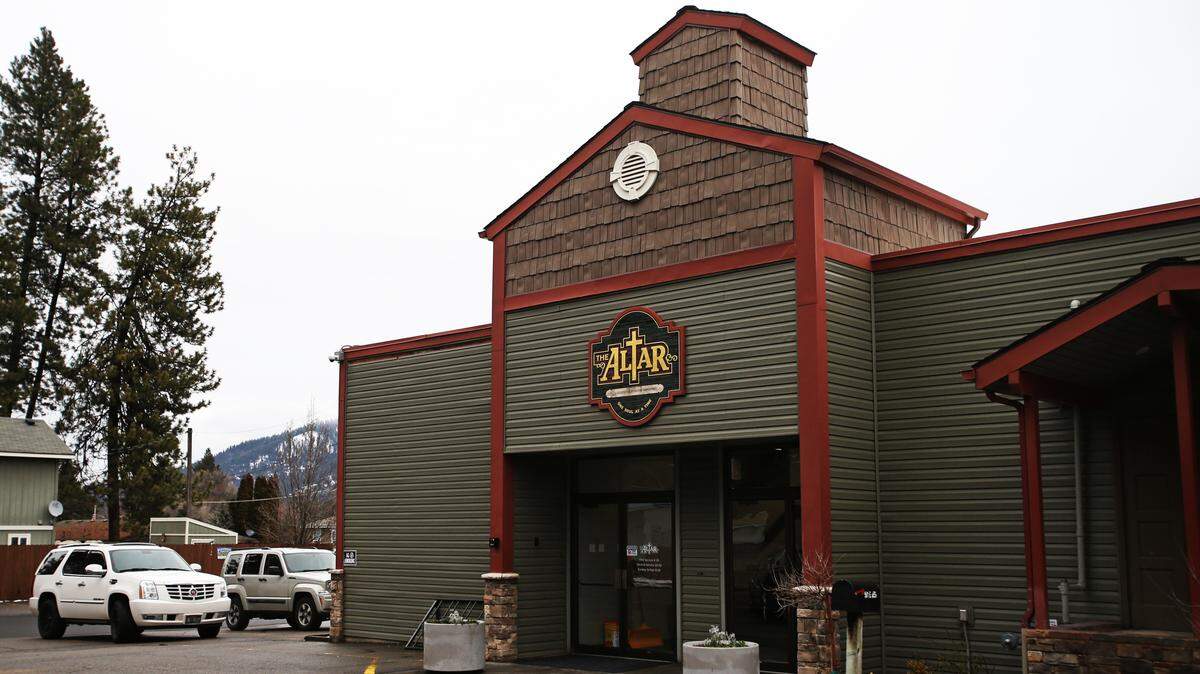
House Bill 340aa is bad legislation. It proposes a pilot alcohol-drug abuse residential treatment facility for children 13 to 17 years of age. This unlicensed, unregulated, 24-hour, four-month facility would treat children who are vulnerable to abuse, neglect or exploitation or may actually be likely to perpetrate abuse or exploitation of others in the program.
The system in Idaho has worked hard to meet the needs of children with substance use disorders in Idaho. The Legislature supported funding for treatment in 2011, at which time the Idaho Department of Juvenile Corrections was given responsibility and oversight to develop a system with county and tribal partners that ensured all youth have access to services based on their assessed needs. The model provides timely screening, professional-level assessment, treatment and recovery support services.

The judiciary orders the services provided by licensed, private programs in our communities, and all children who need services have timely access to those services.
Recent contacts with key partners in counties has yet to find stories or examples of children that need residential treatment for substance use but weren’t able to access it. Most of the licensed residential facilities have open beds and one even closed last year because there weren’t enough admissions.
Our licensed providers throughout Idaho have had an excellent success rate serving this population. Seventy-four percent of the children receiving substance use disorder treatment through this system have remained crime-free within 12 months of receiving treatment. Ninety-nine percent of the total number of children who access treatment through this program and successfully maintain treatment in the community were not committed to the state juvenile system. Collaboration and support of all three branches of government has made this program successful throughout our communities in Idaho.
HB 340 has no protections for the children or their families. While licensing cannot guarantee against all abuses, it does protect rights of parents and children.
The Attorney General’s comments on this legislation warns that the rights of parents and children are compromised in unlicensed facilities, rights to support the treatment process, to express concerns or share complaints, and to be fully informed about the program risks.
Licensing ensures programs meet basic safety guidelines. This means facility safety and the well-being of the youth. But in all cases, licensure avoids co-mingling of adolescent and adult populations, an extremely inappropriate and longstanding prohibited practice in treatment settings. Congress has understood the importance of separating these populations since the Juvenile Justice and Delinquency Prevention Act of 1974. Mixing populations jeopardizes the children, the adults and the staff.
We have years of research and understanding regarding the differences between children and adults, developmentally, emotionally and in their addictions. Adolescents binge use, they have lower problem recognition and often have co-occurring mental health issues.
According to the Substance Abuse and Mental Health Services Administration, 65 percent of adolescents being treated for using substances have mental health issues. They are strongly influenced by their peers and only think about right now and possibly tomorrow.
Adults have had long-term experience in using substances and as a result are more sophisticated in hiding the usage. By the time they get to treatment, they often have lost their jobs, their spouse or their homes, and they may have spent some time incarcerated. Consequently, they are motivated for change. Addressing these adult and youth differences requires different approaches to treatment. Combining these two very different populations in the same treatment group not only defies best practices but is asking for problems.
Licensing allows parents to trust that basic treatment programming requirements are being met. This includes appropriate clinical and medical oversight as well youth receiving education services. The program defined in HB340 does not provide education services. A child going to this program would not receive education services for up to four months while in treatment. If children were released from this program just prior to summer vacation, they could be out of an educational environment for up to seven months. We know the importance of education for a child’s overall success.
Appropriate licensing is critical to increasing access to services in a way that is safe and effective. It is not optional because it feels burdensome or challenging. Unlicensed facilities may not be safe or equipped to evaluate the medical needs and complications of children with addictions. Such needs include detoxification or withdrawal delirium. Unlicensed programs may not be equipped to deal with mental health complications of withdrawal and rebound effects such as depression, suicidal impulses and dissociation. Finally, we do not need a “foot in the door” through an ineffectively evaluated pilot program, such as found in HB340aa, for other programs to avoid licensure in the future. Idaho children are too great to risk.
The supporters of this bill have claimed something needs to be done, that no one else is doing anything. I implore you to talk with your schools, your juvenile probation officers or your judges to learn from them what is being provided throughout the state for our children grappling with substance use disorder issues. I also encourage you to get involved any way you can with your communities.
In Idaho, we understand the importance of keeping children in their communities when possible and providing the services necessary for the family unit to succeed.