
Even 100 years after the right to vote, women still fighting for rights
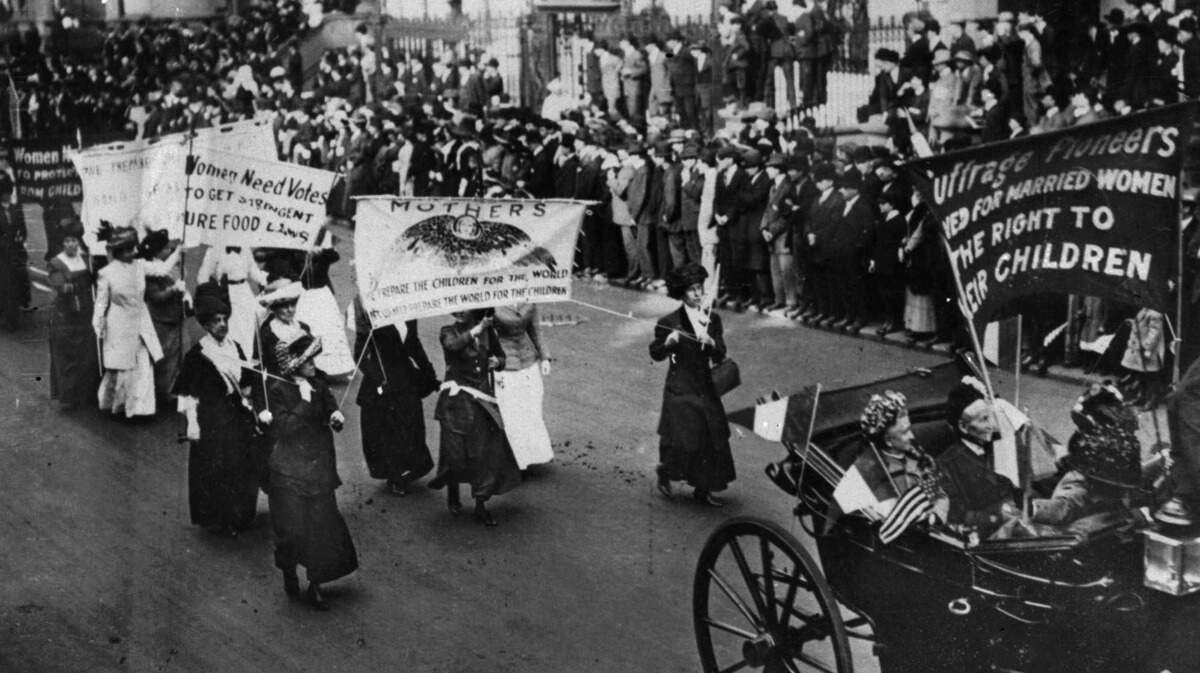
As we celebrate the 100th anniversary of the 19th Amendment, which gave women the right to vote, it is a good time to look back on the history of the struggle for the vote and take stock of where we are today.
At the Seneca Falls women’s rights convention of 1848, Elizabeth Cady Stanton called for enfranchisement of women, a move considered quite radical then. Nevertheless, women in Wyoming territory began voting in 1869, and in 1896 Idaho became the fourth state in which women could vote, following the lead of Colorado and Utah. Other western states followed, so that by 1920, when the 19th Amendment became part of the Constitution, women were already voting in about half the states, mostly in the West.
The struggle for passage of the 19th Amendment was long and arduous, involving thousands of petitions, speeches, marches and, finally, picketing the White House every day, rain or shine, for a year. The women who picketed were arrested and when they went on a hunger strike in protest, they were force-fed.
However, not all women gained access to the ballot with passage of the 19th Amendment. In the West, Mexican Americans were excluded, and in the South, schemes such as poll taxes, literacy tests, and outright campaigns of terror kept African American women as well as men from voting. Immigration laws kept Chinese immigrants from becoming citizens until 1943, and Indian and Filipino immigrants until 1946. And Native Americans only became eligible to vote in 1924.
After the 19th Amendment was adopted, Alice Paul, a leader of the suffrage movement, wrote the Equal Rights Amendment. It says: “Equality of rights under the law shall not be denied or abridged by the United States or by any State on account of sex.” It languished in Congress until the 1970s, when women demanded that Congress take it up. It passed overwhelmingly in 1972, and then had to be ratified by 38 states. Unfortunately, only 37 states have ratified to date, but now that it seems close, three states have sued to block its adoption even if another state ratifies.
And other rights that we have won over the last 50 years are threatened.
Birth control, illegal in some states until 1965 for married couples and for single people until 1972, is again threatened. Planned Parenthood has given up Title X funds, which have provided birth control to people in need at low cost. Originally, the Affordable Care Act provided birth control at no cost to those insured, but that provision has been under constant attack and, consequently, rolled back. And here in Idaho those insured under Medicaid expansion will have to visit a primary care physician before they can see a specialist for reproductive health care.
The right to abortion is always under attack. Now some groups advocate abolishing abortion entirely and prosecuting women who have abortions and doctors who do them. New, ingenious restrictions are introduced each year in legislatures across the country.
The Violence Against Women Act, which helps victims escape abuse, has not been reauthorized by Congress, and senators are holding it hostage because they do not want convicted abusers to have to give up their guns, even though victims are eight times more likely to be killed if there is a gun in the home. Idaho legislators also refuse to take guns from abusers.
The southwest Idaho chapter of the National Organization for Women deplores these and other erosions of our rights and will continue our work toward full human dignity and autonomy for all women.