
Backpacking trip along the Boise River shows extent of water pollution in Idaho
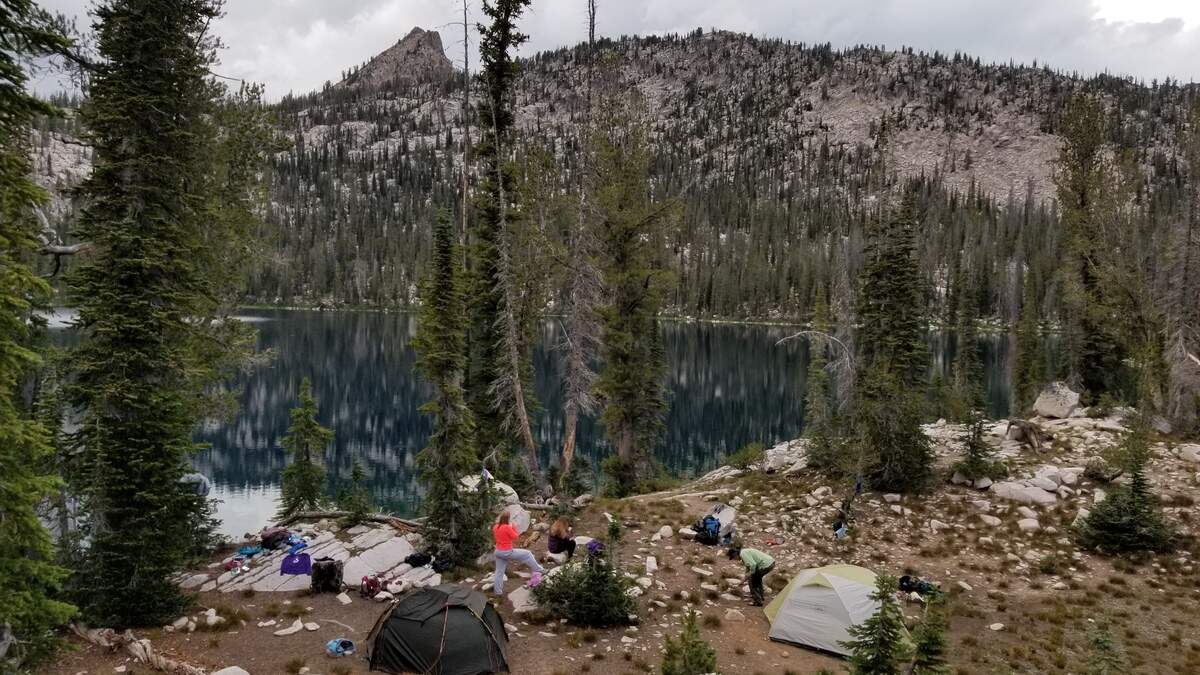
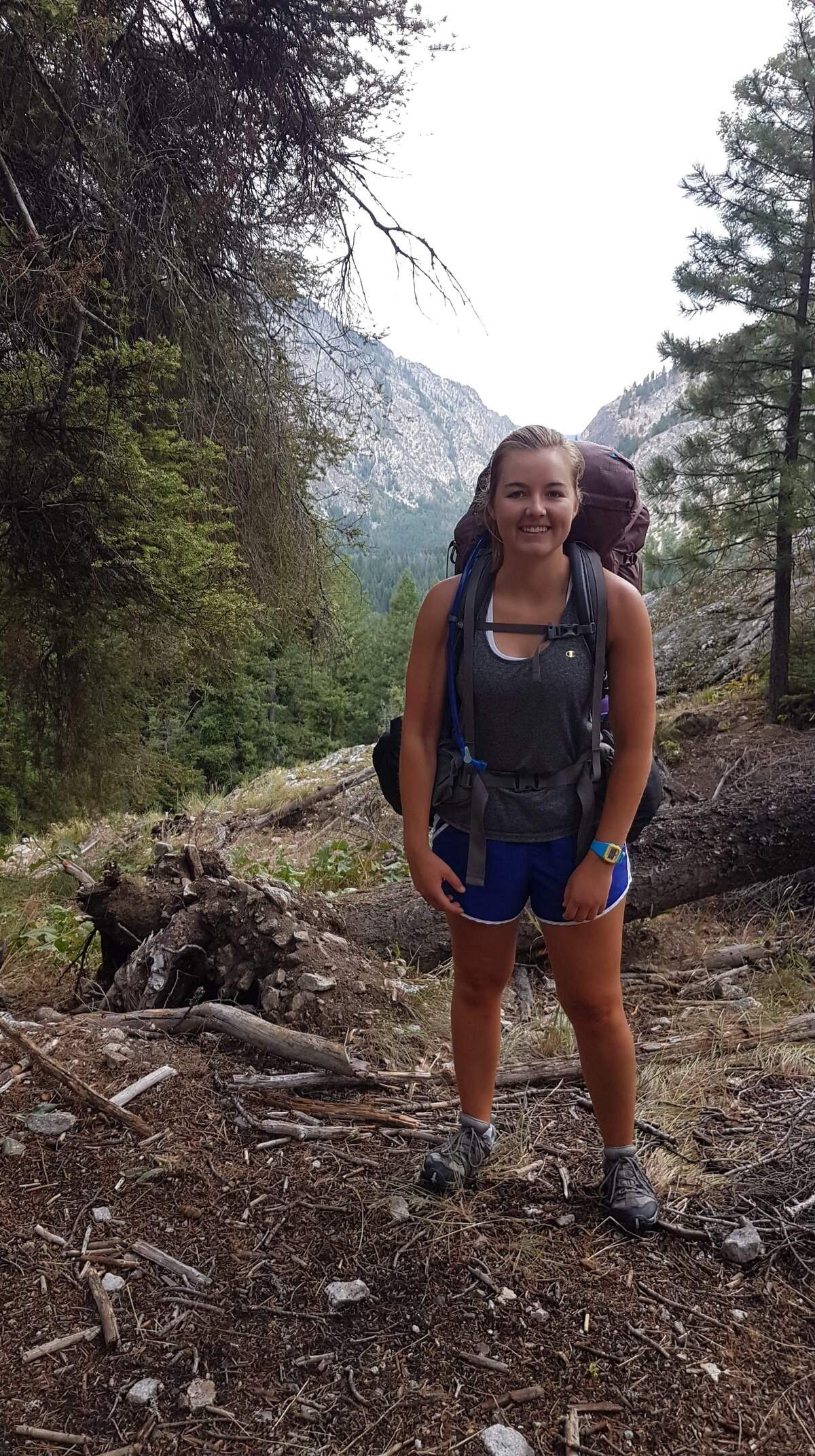
While my study of biology at The College of Idaho is not exactly on the ecosystem – it’s on human health and medicine – I adore nature and delight in any chance I have to spend time in the outdoors. I got connected with Idaho Business for the Outdoors and its Boise River: Source to Snake project through one of my professors, Chris Walser. He asked if my friend Melissa O’Berto and I might be interested in the project.
When I heard backpacking through the Sawtooths was involved, I committed!
Before the journey began, I went to a water testing workshop at Heather Dermott’s house to learn how to run the nine testing protocols. Being a person who would rather watch a live surgery than check for minerals and bacteria in a body of water, I wasn’t sure what to expect. Upon arriving at her house and meeting some of the other members of the team, I knew I was in for an exciting journey. While I was expecting a group of people who had boring, “teacher-like” demeanors, they were upbeat and humorous. After this meeting I knew I would have fun during our water quality project.
To start the journey, we drove to Hailey then headed to Redfish Lake where Christopher Swain would begin the start of his 150-mile journey, swimming across Redfish Lake to access the trailhead to Spangle Lake, the source water for the Boise River.
Testing the water at Redfish on an early August morning was chilly – it was breezy and rained for part of our boat ride across the lake, but it was great to see how clear all of the tests showed up. Our eyes alone could tell us about the health of the lake, as it was clear enough to see the bottom in depths of about 15 feet. Additionally, we were happy to see that the temperature of the lake averaged 17.8°C, because cool water temperatures are important for trout.
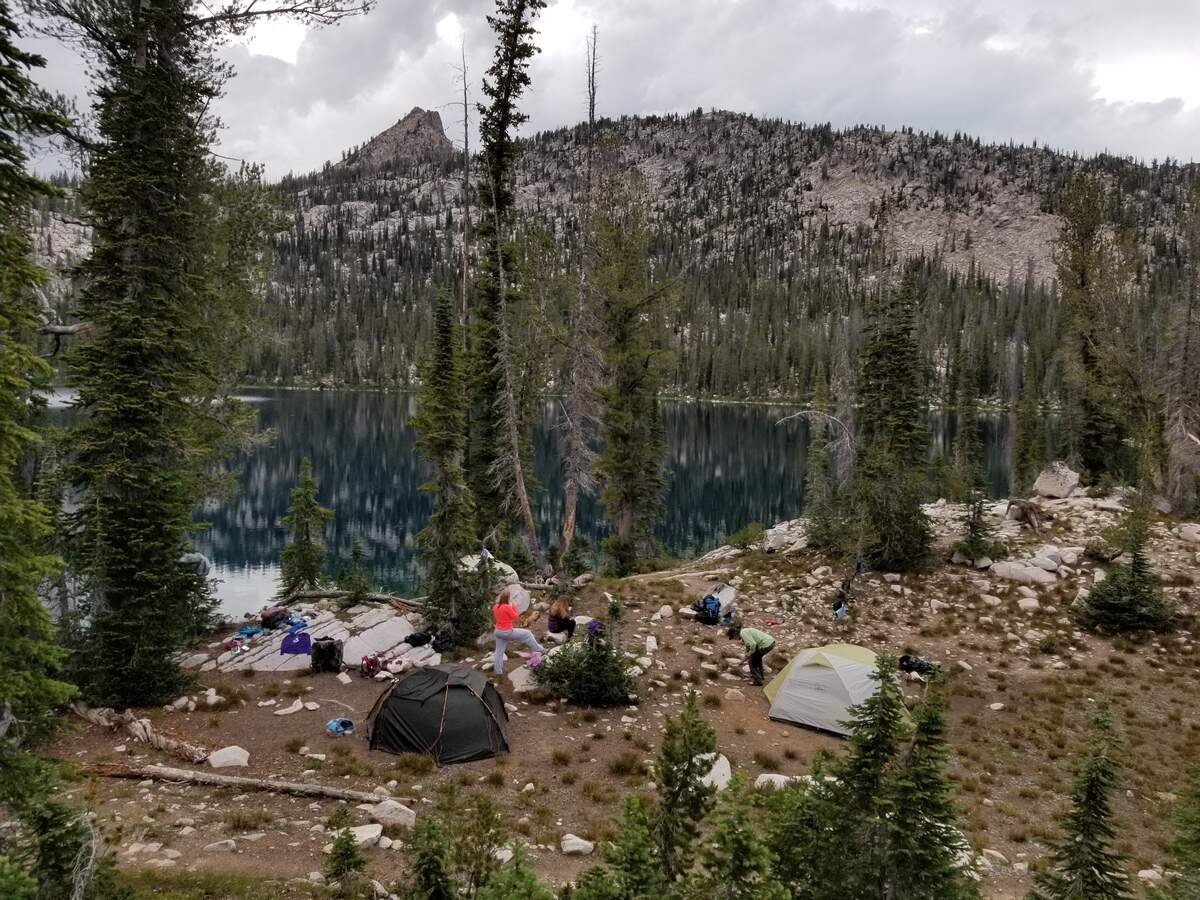
After Redfish Lake, our hiking and backpacking began, where we covered a total distance of 36 miles up to Spangle Lake and down to Atlanta, Idaho. We tested three high-mountain water locations and camped three nights along our expedition, but the highlight was spending time in Idaho’s incredible wilderness with such a great team of people.
Walking through the Sawtooth Mountains was breathtaking, and even as I write this, I’m almost in disbelief that I laid my own eyes upon such beauty. The trip was such a fun experience and a reminder of the importance of water quality for outdoor recreation, public health and our wildlife and fish populations. I was so grateful to have done this project with such good people.
Even down past Atlanta and into Willow Creek, the water was amazingly clear. However, as we neared the Boise valley, it became visibly cloudier, and the tests started confirming this.
The first time we were really taken aback was in Caldwell. The water was murky, and nitrates were present for the first time in our testing data. Turbidity, or cloudiness in the water, was elevated.
.jpg "pjimage (11).jpg")
The fecal coliform count at Redfish Lake was less than one colony/100mL, but in Caldwell, it showed 216 colonies/100mL. Water temperatures rose to 19.4°C here, and to 22.8°C at Martin’s Landing near the Idaho-Oregon border; these levels are stressful to our trout populations.
While it was interesting to see the change in our test results, we were disappointed to find the quality of the river declining due to urban and rural runoff into our river. This only continued farther on as we approached the river’s confluence. It was hot out, but jumping in no longer crossed our minds, as it had upstream, because of the dirtiness of the water.
I grew up with the Boise River literally right outside my backyard. However, I hadn’t really put much thought into the health of the river and the actions our community could take to make it better.
Doing this project with Idaho Business for the Outdoors prompted me to think about the quality of our river, and I hope more actions will be taken to support the Boise River watershed to reduce pollution entering the water.
As a kid, I spent a lot of time in the river — tubing, swimming and catching crawfish. These are some of the fondest memories of my childhood, and I don’t want my children and grandchildren to miss out on having their own at-home crawfish boil simply because they can’t see them at the bottom of a three-foot-deep riverbed.