
Why the supermajority makes no sense: When a bond fails, it can cost taxpayers more | Opinion
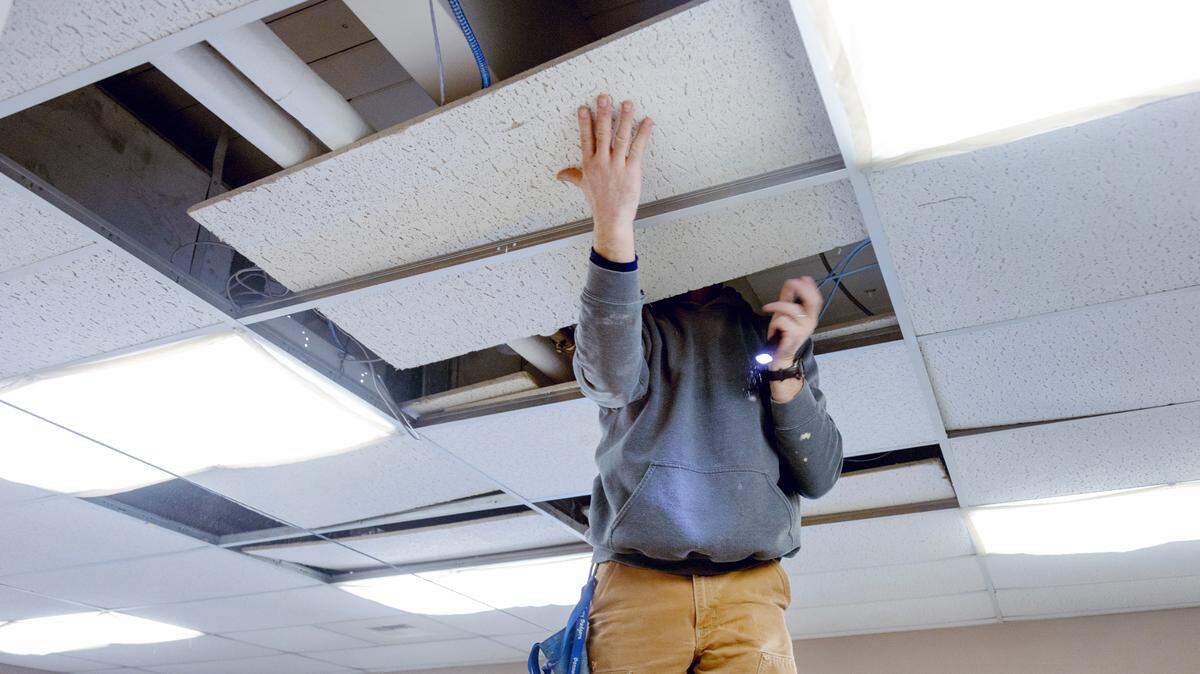
There may be a rare opening to reform the way Idaho pays for repairs and construction of schools — and the need is great, as the Statesman and ProPublica documented.
As the Statesman and ProPublica reported last week, a preliminary proposal drawn up by Rep. Rod Furniss, R-Rigby, and backed by Senate Education Chairman Dave Lent, R-Idaho Falls, would drop the threshold for passing a bond from two-thirds to 60% in midterm elections and 50% during presidential elections.
This bill is the best hope for addressing Idaho’s serious underfunding of school infrastructure that I’ve seen in about a decade following the Legislature.
But, as Furniss and Lent said, it isn’t final. It’s sure to be negotiated as they try to build the overwhelming two-thirds supermajority of each legislative chamber necessary to get a constitutional amendment on the ballot.
So it’s important to keep a close eye on the details as negotiations go forward.
The outlines of one counter-proposal lawmakers are likely to discuss are contained in a blog post from the conservative Mountain States Policy Center. The center argues that there is room to reduce the bond passage threshold during the November election, but only to 60%, not to a simple majority.
The normal presumption is “one person, one vote” — that is, that every vote is equal. A supermajority threshold, whether two-thirds or 60%, treats a “no” vote as worth more than a “yes” vote. How can that be justified in the case of school bonds?
Here’s their argument: “Unlike normal levies, these bond obligations can extend for many years and the taxes can’t be repealed until that obligation is met. Wanting to prevent a small number of voters from imposing a long-term tax burden on a community, many state constitutions across the country require bond votes to secure a broad consensus.”
So a “no” vote should count for more than a “yes” vote because you aren’t counting the votes of future taxpayers who will have to pay the bond but don’t get a chance to vote against it. This argument is not crazy, but I do think it’s wrong for a simple reason: it only considers one side of the ledger.
Say you’re sitting watching television during a rainstorm one day when water starts dripping on your head. You have a couple of options: spend money to replace your roof or just move your chair.
One option is expensive — so expensive, you might have to take out a loan you’ll be paying down years later.
The other is free — until your house is so shot through with water damage that it gets condemned. Then you’ll need money for a new house, the deferred cost of the decision you made when you decided not to replace your roof.
And precisely the same logic is at play with most bonds. Passing a bond imposes a long-term costs on the community, and failing to pass a bond does, too — often higher costs.
Failing to repair a school affects the ability of future residents to educate their children. And the quality of a child’s education has an enormous impact on their future quality of life. So what about the future residents who don’t get a vote now on whether their children get to attend a decent school?
Leaving aside the level of service, failure to invest can often be a net loss in the long run, simply in terms of tax liability. Stop keeping up on road repairs now, and you’ll have to replace the road much sooner — or else lose the road. And replacing the road is going to cost you a lot more than keeping up with repairs that extend its life. (This is a lesson Idaho learned in 2015 when lawmakers had to sharpy raise the gas tax and a host of related fees to address huge enormous infrastructure shortfalls .)
School buildings work the same way.
Here’s the basic truth: Government investment works just like private sector investment. Stop making capital expenditures for a business, and it will shrivel up and die. A public school, transportation or jail system isn’t much different.
That’s not to say that every bond should pass. Sometimes a particular bond might be a bad idea — and there’s no shortage of bonds in Idaho that fail to get 50% support.
But there’s no clear reason to bias the election one way or the other, either in favor of or against passage. A 60% threshold makes just as much sense as a 40% threshold — each violates the one-person, one-vote principle with no clear justification.
The Mountain States proposal is not terrible. It would be an improvement on the status quo.
But lawmakers can do better, so they should.
The proposed simple majority is the best solution, especially during high-turnout elections.