
Idaho hit a quiet milestone in nuclear cleanup. It means safer water across the state
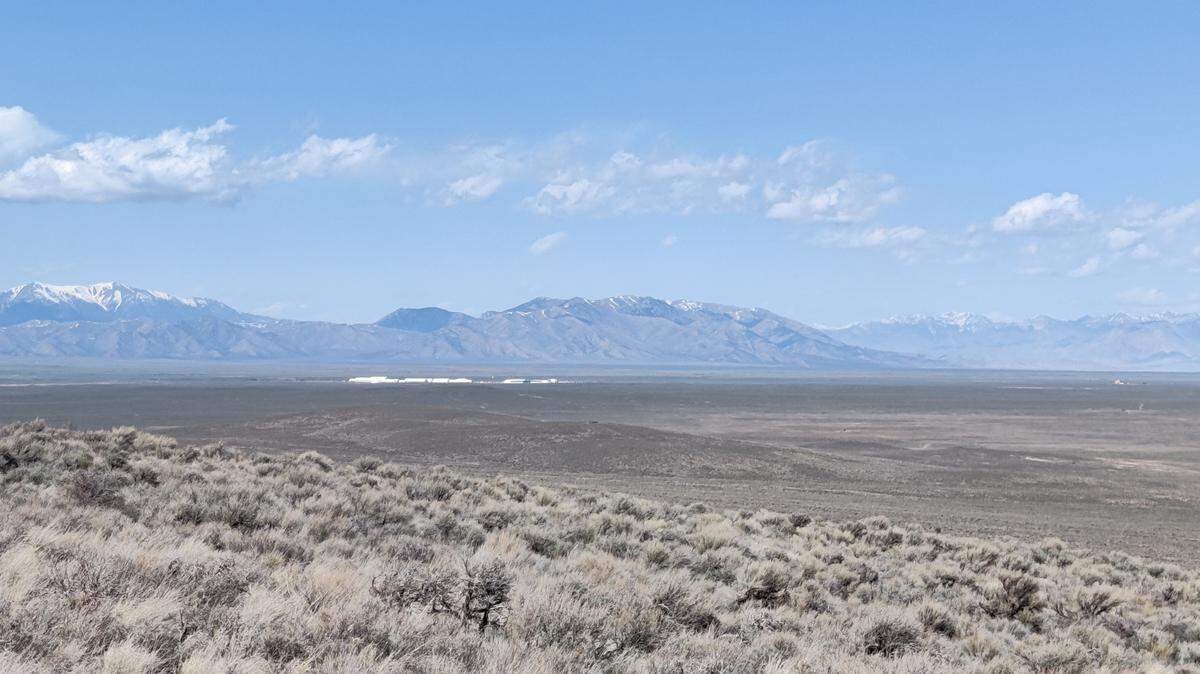
At the eastern end of the state last week, a small crowd gathered to commemorate an important milestone for Idaho’s environment: A project to retrieve radioactive waste that was buried in shallow pits above the state’s largest aquifer has been completed.
Twenty years of hard work that was sustained as four governors and four presidents came and went now means the risk of contaminants reaching farms and cities downstream, from Idaho Falls to Twin Falls to Boise, is forever reduced.
The Accelerated Retrieval Project, a part of the overall Idaho Cleanup Project meant to remove radioactive waste generated during the Cold War, was a monumental undertaking.
Starting a few years after the end of World War II, as the U.S. built its Cold War arsenal, waste was shipped from the Rocky Flats Plant, a facility near Denver that produced plutonium pits that form the core of a nuclear warhead, to the Idaho desert just west of Big Southern Butte, a huge volcanic dome that juts out of the flat plain below.
Today, stadium-sized tent enclosures sit atop ground where that waste was, shockingly, simply buried in open pits.
“Waste” includes a lot of different things. Some of it was fairly benign — say, a pair of gloves someone used to handle radioactive material a long time ago. But some of it was downright scary. For example, some of the waste is “pyrophoric” — that is, in addition to being radioactive, it will spontaneously combust if it comes into contact with air.
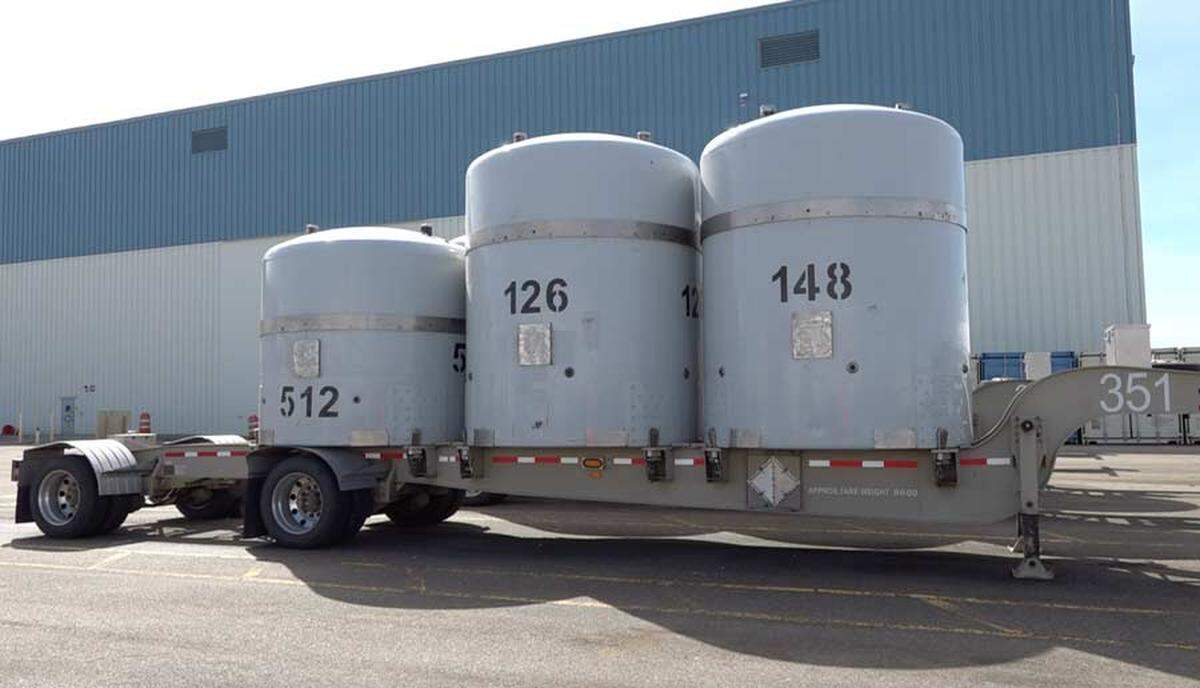
For almost two decades inside these tents, men and women in breathing suits have operated excavators with extra-long arms to exhume waste, determine what it was and repackage it for shipment out of the state. In all, the Accelerated Retrieval Project removed nearly 50,000 drums’ worth, most of it destined for the Waste Isolation Pilot Project near Carlsbad, New Mexico.
All of it — more than 5 acres’ worth — sat perilously over one of the most important aquifers in the country. The East Snake Plain Aquifer, which runs from the northeast corner of the state, through rich agricultural areas from Rexburg through Idaho Falls, all the way to the Magic Valley, before dumping into the Snake River at Thousand Springs.
Soon, the enclosures are expected to be disassembled, and the area will be covered with a massive cap to keep rainwater from carrying any residual material down into the aquifer.
It’s an occasion worth celebrating — and marveling at. The fight to force the federal government to remove the legacy of the Cold War from Idaho stretches back at least to Gov. Cecil Andrus. Gov. Phil Batt took up the issue after him, ensuring that it was not partisan, and pushed the federal government into a formal agreement.
Surviving through years of political upheaval, enforcing the Batt Agreement has remained a goal of the five governors who followed after him — Gov. Brad Little signed an updated version of the Batt Agreement in 2019. It required difficult labor by hundreds of workers. It took inventing new technologies.
And there were a million chances to get distracted along the way.
Attorney General Lawrence Wasden, the only statewide officer who was serving when the Accelerated Retrieval Project started in 2005, is due particular thanks. His office has kept the focus on holding the federal government to its promises.
There’s still a lot of waste in the desert east of Big Southern Butte.
One of the most difficult pieces of the puzzle remaining is the Integrated Waste Treatment Unit, a facility that is supposed to convert 300,000 gallons of radioactive liquid waste into a solid that can be stored permanently in containers out of state. Officials from the Department of Energy gave assurances at the ceremony that technical challenges that have stalled it for years seem to have been overcome, and they expect to be back later this year to celebrate bringing the plant online.
Other waste remains in above-ground storage, and there’s a bottleneck in getting waste out of Idaho and out to New Mexico.
Let’s hope future leaders will be able to keep the level of focus on this problem that past ones have maintained.