Permanent daylight saving time? Fine, if it means no more changing clocks | Opinion
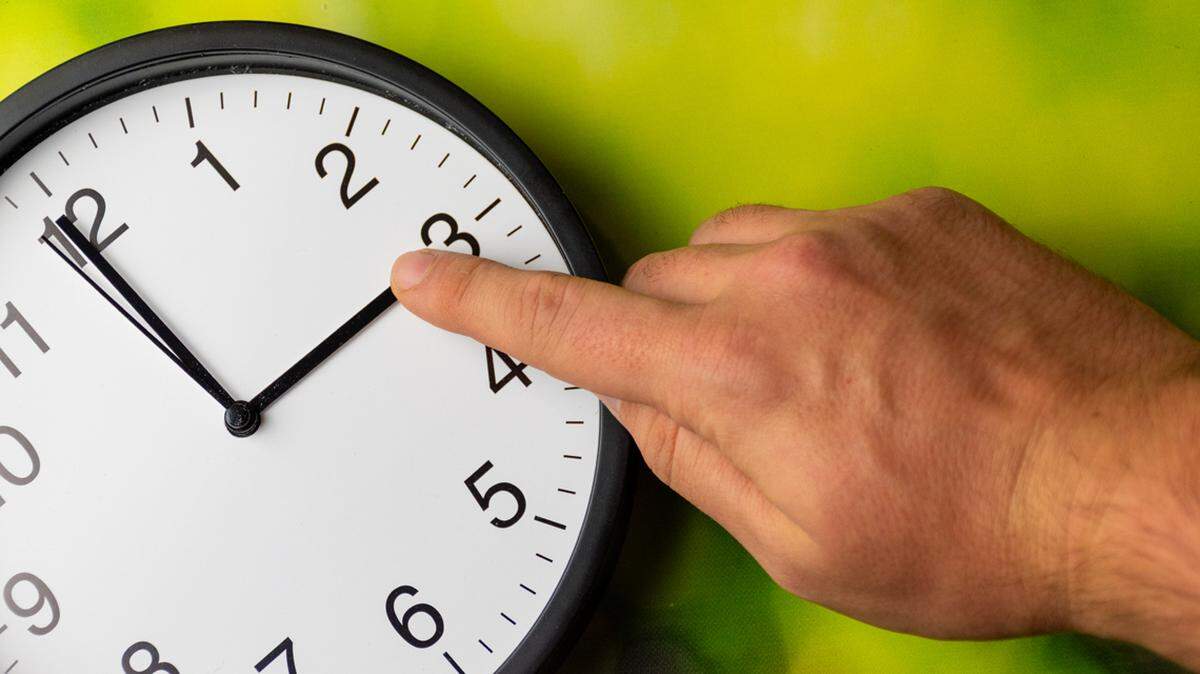
So the U.S. House of Representatives passed the Sunshine Protection Act to make Daylight Saving Time permanent year-round.
The measure was approved with a pretty resounding vote of 308-117. It now heads to the Senate, which approved the same measure four years ago. Even President Trump supports it.
Maybe this is the year that it finally happens.
There are plenty of good reasons to quit the silly practice of “springing ahead” and “falling back” each year.
Changing the clock causes “upticks in heart problems, mood disorders, and motor vehicle collisions,” according to the Sleep Foundation. The disruption can also result in difficulty sleeping, not feeling well rested, tiredness and irritability. Changing the clocks results in traffic collisions, as drivers take time to transition to the new daylight hours.
And there’s a lot to be said for switching to permanent daylight saving time.
As I’ve written before, studies have shown that having daylight hours later into the evening reduces crime, saves energy (albeit modestly) and increases evening recreation (and the consequent spending), according to Steve Calandrillo, a University of Washington law professor and year-round daylight saving time advocate who testified in favor of the Sunshine Protection Act in an earlier iteration in 2023.
And there are studies that show it’s better for traffic safety to have more daylight in the evening because more cars are on the road than in the morning. One study estimated that more than 300 lives would be saved by moving to permanent daylight saving time.
But there are some things we should all keep in mind.
As a journalist for more than 30 years, I’ve noticed a small phenomenon each year in late fall, just before we “fall back” and revert to standard time. I’ve noticed that kids walking to school get hit by cars. Not a lot, and apparently not enough of a phenomenon to get its own study.
But every year in late October, as sunrise gets later and later, creeping into the time when students are walking to school in the dark, I pray that we don’t have to write a story about another kid getting hit by a car.
Permanent daylight saving time would make this worse.
You do realize that sunrise in Boise would be approximately 9:15 a.m. in late December if we switch to permanent daylight saving time?
As it is now, sunrise is about 8:15 a.m. in December, which is bad enough (especially for those of us who have been awake for three hours already).
But under permanent daylight saving time, even sleepyheads might wake up to a dark sky.
Is that worth watching the sun set at 10 p.m. on a summer night? Perhaps. Is it worth getting rid of the twice-a-year grind of springing ahead and falling back? Probably.
U.S. Reps. Mike Simpson and Russ Fulcher, both R-Idaho, voted in favor of the bill.
“Every Idahoan I’ve spoken to dreads the seasonal time change,” Simpson said in a press release Tuesday. “Over the years, it has become increasingly clear that making this change will benefit farmers, outdoor recreationists, employers, and even public safety. The vast majority of Americans support locking the clock, and the Sunshine Protection Act is a common-sense reform.”
There is a caveat in the bill: States could opt out of permanent daylight saving time in favor of permanent standard time if opt-out legislation is passed through their state Legislature. States can do so right up until the bill’s enactment.
I doubt the Idaho Legislature would opt for permanent standard time.
I enjoy the daylight hours well into the evening as much as the next guy (although I’m not so keen on going to bed when it’s still light out — and has anyone else tried to keep their kids awake to watch the 11 p.m. Fourth of July fireworks show?).
While I would prefer switching to permanent standard time (I wake up early in the morning), I’m willing to go along with the crowd — anything to stop the changing of the clocks twice a year.
Scott McIntosh is the communities editor and columnist for the Idaho Statesman. You can email him at smcintosh@idahostatesman.com or call him at 208-377-6202. Sign up for his free weekly email newsletter The Idaho Way.