New Idaho State Veterans Home in Boise was in doubt. It appears to be back on track
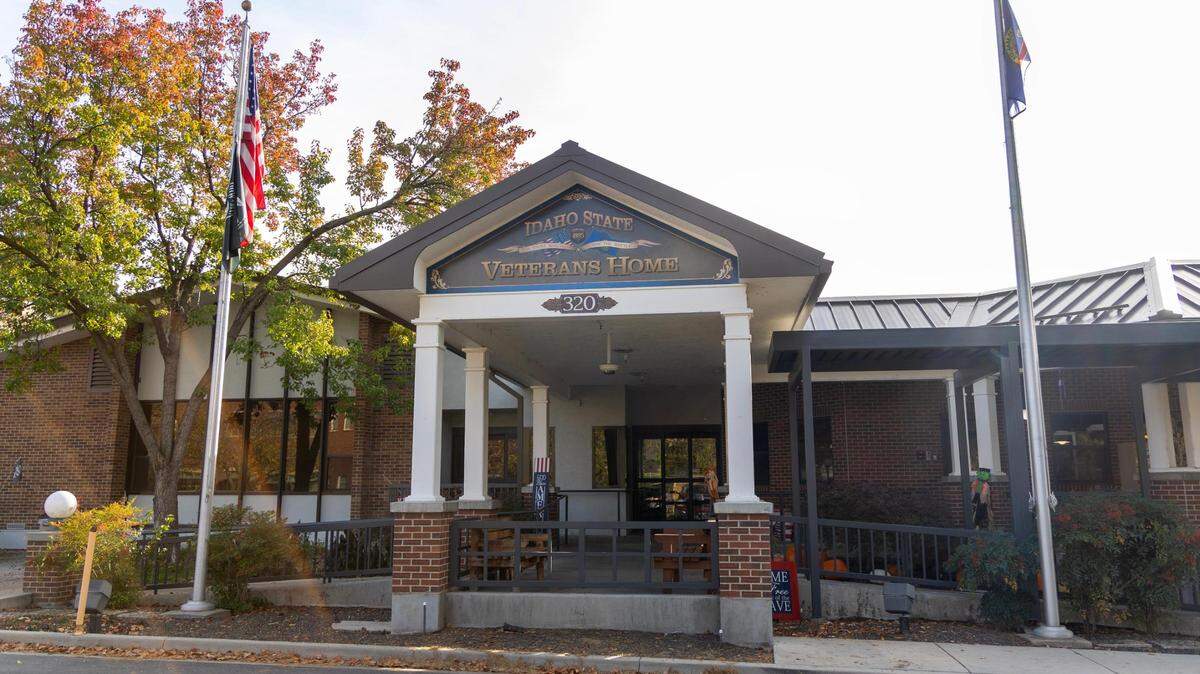
A plan to build a new Idaho State Veterans Home in Boise appears to be back on track, now that the Veterans Administration has given the project a waiver from an onerous and nearly impossible-to-meet requirement to source everything in the United States.
The Veterans Home at 320 Collins Road is an 80-bed, 100,000-square-foot skilled care nursing facility that includes a 17-bed special care unit for veterans with Alzheimer’s disease or related conditions.
When I visited the home in April, I met several residents, people who had served their country to whom we owe a debt of gratitude.
The facility is quite nice. It includes a physical therapy center, a dining room, a small library, common areas, a little commissary, a large covered patio and courtyards. It’s been kept up amazingly well.
But it was built 60 years ago and has been in constant use ever since.
Plus, some residents share a room and have communal bathrooms.
Plans for a new 150,000-square-foot Veterans Home at the site of the current home include private rooms and private bathrooms for every resident, larger spaces for activities and amenities, a larger chapel, a movie theater, a sports bar and smaller, personalized dining areas in the residential areas.
The new home has been in the works since 2019, when funding for it was first requested. Funding for the project was finally approved in 2023, and crews were scheduled to break ground last summer.
But the Veterans Administration put the kibosh on the project because Congress in 2022 passed the Build America Buy America Act, which requires that any construction project funded by federal dollars must exclusively use domestically sourced materials, a requirement that has proved unfeasible due to the current limitations of American manufacturing.
“It’s a great law, and it’s a great idea,” Mark Tschampl, director of the Idaho Division of Veterans Services, told me last year. “The problem is American manufacturing hasn’t caught up to it yet, nor have they provided enough incentives to American manufacturing for them to jump on board with that.”
Tschampl listed off dozens of items they weren’t able to source in the U.S., including HVAC and electrical components; electrical circuit breakers, including switchgear, distribution gear, panel boards and switchboard components; LED-compatible lighting; elevator units; non-ferrous metals for screws, fasteners and bolts for drywall, framing, and roofing; and steel coil material.
The act included provisions for waivers in cases of non-availability or excessive cost, which the Boise Veterans Home clearly qualified for, but the VA was taking a hard-line stance, refusing to grant waivers to entire infrastructure projects.
President Donald Trump’s newly minted Secretary of Veterans Affairs, Doug Collins, announced Wednesday that the Boise Veterans Home project was granted a waiver, according to a press release from U.S. Sen. Jim Risch, R-Idaho.
“Secretary Collins made a promise to me that he would break down the bureaucratic barriers that have unjustly denied Idaho’s veterans from receiving their hard-earned benefits and care,” Risch said in the release. “He delivered. In just two weeks, President Trump’s Secretary of Veterans Affairs accomplished what the Biden administration refused to do for two years.”
Even though Risch blames the Biden administration, the Veterans Administration was following the letter of the law set by Congress.
That said, based on the parameters I looked at, the Veterans Administration under Biden easily could have granted the Boise Veterans Home a waiver without infringing on congressional intent.
So while Trump so far has been cavalier about running roughshod over legislative authority so far in the just the first few weeks of his second term, this is a case in which an exception was warranted.
The action is ironic, too, in that the Build America Buy America Act is an “America First” type of program that you’d think the Trump administration would champion.
Regardless, it appears common sense prevailed in this case, and we can all cheer that this important local project can move forward.
This story was originally published February 15, 2025 at 4:00 AM.