Afraid for the future of democracy? Idaho professor says ‘we’ve been here before’
Democracy is messy. It’s noisy, rancorous, contentious, sometimes untruthful and sometimes can be used in dangerous ways to kill democracy.
That’s a feature, not a bug.
The beauty of democracy is that all voices are heard. The danger of democracy is that all voices are heard.
That’s the paradox of democracy.
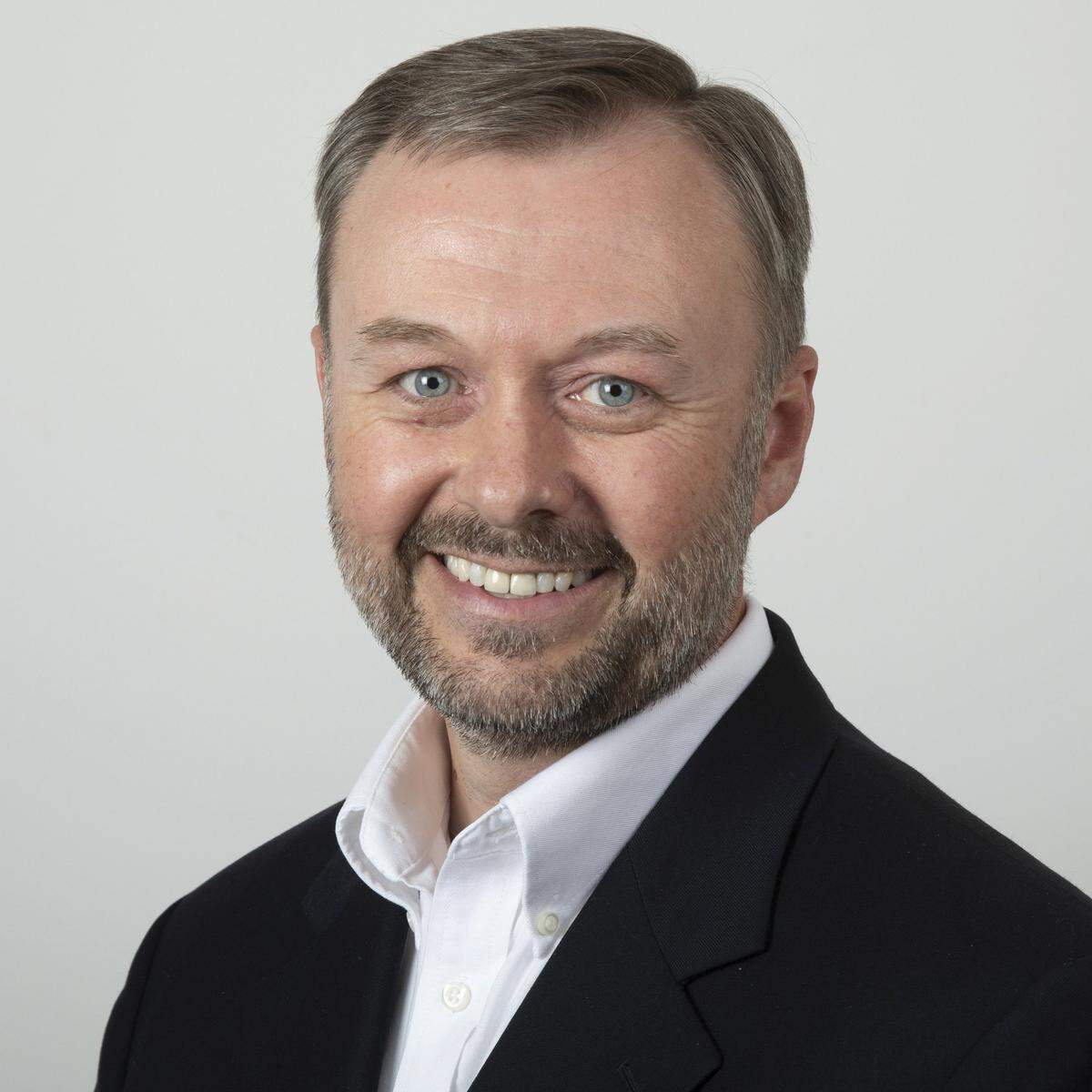
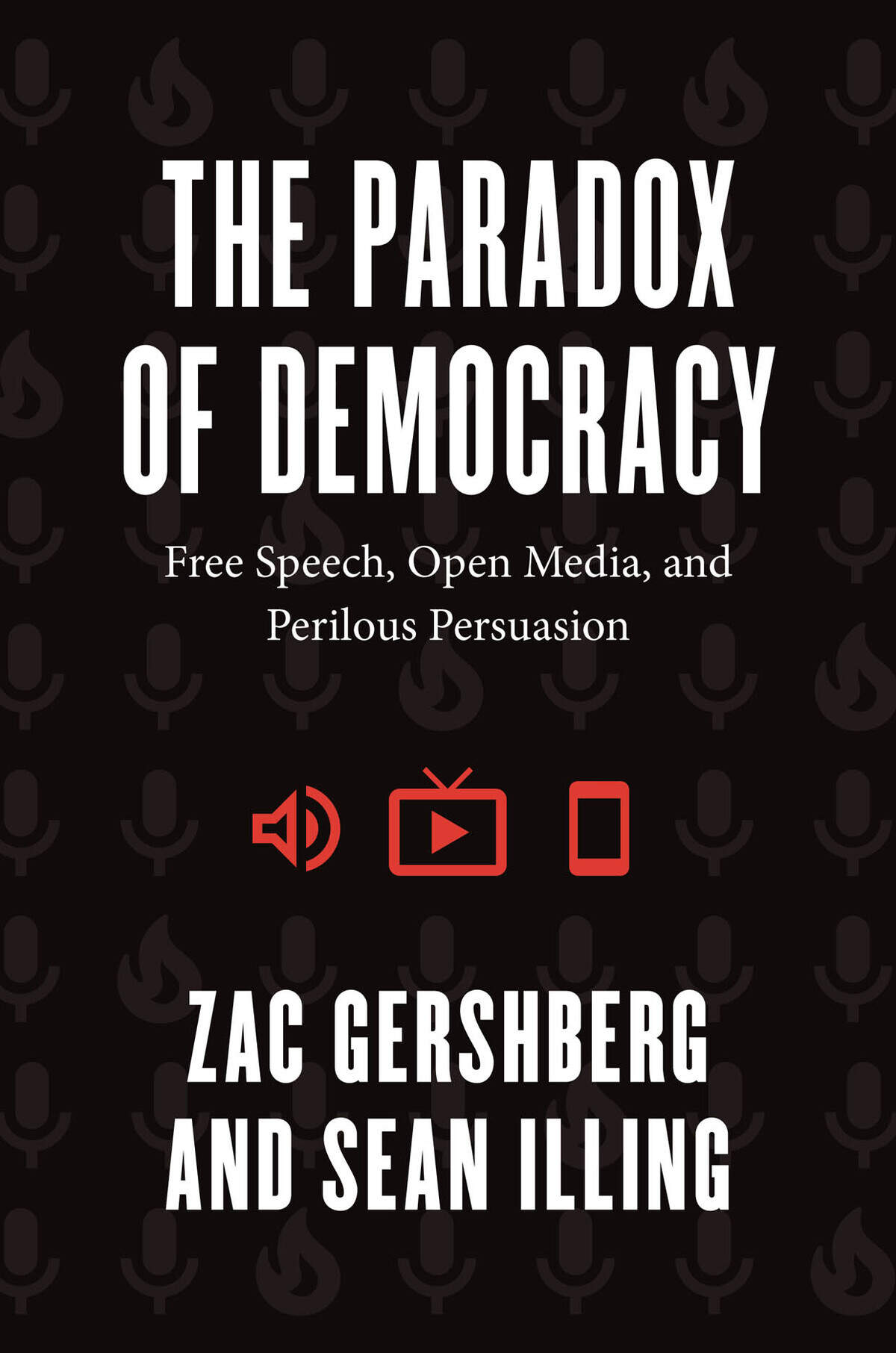
And that’s the subject of a new book, “The Paradox of Democracy: Free Speech, Open Media, and Perilous Persuasion,” by Zac Gershberg, associate professor of journalism and media studies at Idaho State University, and Sean Illing, a senior writer at Vox.
“This is not the book we had thought we were going to write,” Gershberg told me in a video interview. “We thought we were going to write a book that was very much, ‘Oh, democracy is dying,’ and stuff like that. And there’s a lot of books like that out there right now.”
Instead, Gershberg and Illing look at how advancements in communication have always disrupted democracy, going all the way back to Athens and the ancient Greeks.
“They had a whole host of different new forms of communication from developing rhetoric to the role of writing, itself, became this controversial thing and there was ostracism and crazy politics,” Gershberg said. “And we’re like, ‘Well … this is actually more consistent with our experience, let’s say in 21st-century American politics.’ ”
And when the history of the struggle for democracy is matched up with the history of developments of modes of communication, they began to see the recurring theme of technological advances that, at each step of the way, brought on great democratization but also led to great disruption that threatened the very existence of democracy.
“We call this the paradox of democracy,” they write, “a free and open communication environment that, because of its openness, invites exploitation and subversion from within.”
Media and democracy
The book provides a sprawling and deep historical look at the concept of democracy and how methods of communication had an impact on democracy along the way — from wooden tablets etched with wax to the advent of parchment as a boon to Christianity, to the printing press and the hyper-partisanship of early American newspapers, the burgeoning of the “penny press,” and the development of the telegraph, film, radio, television and yes, our modern-day conundrum, the internet and social media.
“There is always a sort of vulnerability that comes from an open society based on free expression,” Gershberg said. “And so that’s sort of comforting that we’ve been here before.”
New forms of media have always been used and abused, perhaps no more infamously than Adolf Hitler’s attacks on the free press and his use of state-sponsored propaganda, the radio, movies and over-the-top political rallies to gin up his supporters.
The United States has at times flirted with the excesses of democratic free speech spilling over into fascistic tendencies. Notably, U.S. Sen. Joe McCarthy used the media, releasing unchallenged accusations right at newspaper deadlines, to go on a witch hunt against supposed communists, impugning reputations and destroying lives along the way. Television was his vehicle to prominence but was also his downfall. As fascism rose in Europe in the 1920s and ’30s, back in the United States, Father Charles Coughlin used a radio show and a magazine to spread an antisemitic, pro-Nazi message and led an “America First Committee.”
Most recently, the United States is still reeling from the Jan. 6 insurrection, a direct attack on democracy, a threat to the function of government and a dangerous byproduct of seemingly unfettered free speech that spread misinformation, disinformation and fear fomented by the internet and social media, led by a charismatic leader with tendencies to authoritarianism.
“What we saw on January 6 is actually something that has happened to numerous different democracies over the years from Europe under fascism to South American presidential systems, to ancient societies,” Gershberg said. “And so we had the experience of a self-coup attempt — and it didn’t work.”
Free speech and fascism
So is the United States safe from such excesses? Are we somehow more protected from the vagaries of free speech? Are the internet and social media just the latest form of communication that we need to acclimate ourselves to? Or are we doomed to devolve into a fascistic state, duped by an egomaniacal leader who has learned best how to manipulate our most current form of communication?
In other words, as a friend of mine asked me recently, “Are we screwed?”
“I think we’re more resilient than what might emerge out of just glancing at our overall culture,” Gershberg said. “So I’m hopeful, but I think that there’s no escaping the paradox here. Democracies are always going to be vulnerable.”
Surprisingly, I came away from the book feeling much more optimistic about the survival of democracy in the United States. I think of the dozens of citizens who showed up to defend the Meridian Public Library against those who would ban books and defund libraries. They used the new tools of social media and employed good speech to win the day over bad ideas.
While some may view our current state as a downward spiral of devolution leading to the inevitable destruction of democracy as we know it, Gershberg and Illing view democracy more like Sisyphus pushing the boulder uphill, struggling in a never-ending battle to reach the pinnacle. In Gershberg and Illing’s view, there is no pinnacle of democracy, only constant effort. It’s always a work in progress.
“The other hopeful thing I think when it comes to digital media and fake news and propaganda is in some ways citizens learn how to use media a little bit better,” Gershberg said. “And so certain forms of propaganda can always work on some people, but I think there’s ways where different messaging, different efforts at disinformation or misinformation … their ability to work isn’t always in perpetuity. So that’s something I’m hopeful for.”
Read the book. You’ll feel better about where we are in our never-ending struggle to preserve democracy.