
Americans sacrificed far more during World War II than we’re being asked today
Growing up in tiny Paul, Idaho, during World War II, Bill Platts remembers putting old boots in between the car tire and innertube because you couldn’t buy tires.
All the rubber you could get your hands on was needed for the war effort.
It wasn’t that bad, though, because you couldn’t drive that far anyway, at least not on two gallons of gasoline a week. That was the rationed amount.
Americans during World War II were asked to sacrifice in dozens of ways, from enlisting in the military to rationing, volunteering and recycling.
“The entire population was called upon to make some sort of sacrifice for the war effort,” Rob Citino, senior historian at the National World War II Museum in New Orleans, told me in a phone interview. “You know, look, the basic thing you sacrifice in wartime is your personal freedom and you agree to do service for the country, or, or you’re called upon to do it.”

So what has happened to Americans’ sense of sacrifice?
Compared with what Americans had to endure during World War II, what we’ve had to endure during the coronavirus pandemic is a mere trifle.
“Wearing a mask is nothing compared with what we were going through then,” Platts said. “It’s so comical nowadays to think that somebody won’t wear a mask when in those days they would do anything for the United States.”
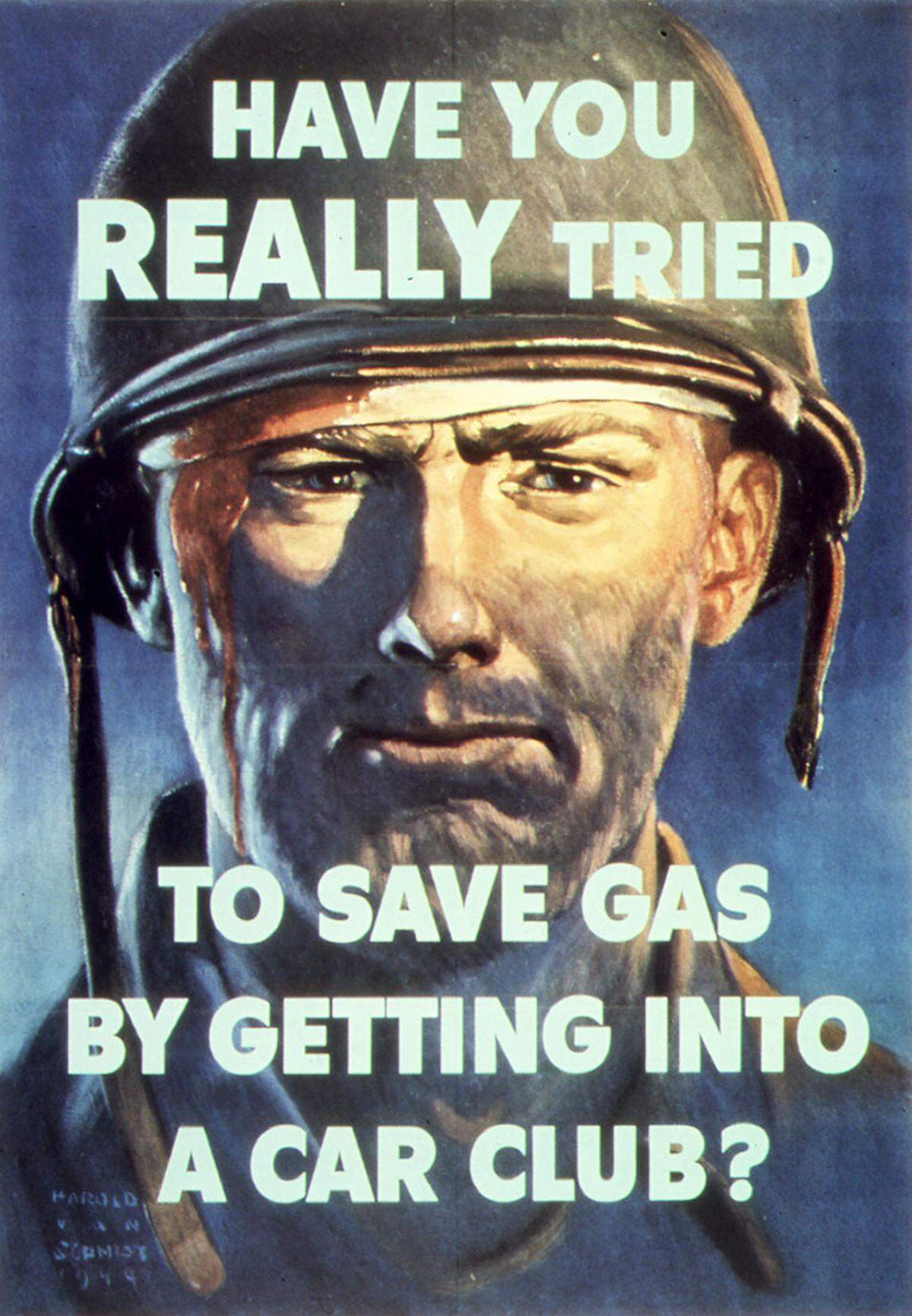
During the war, the federal government imposed rations on such things as butter, sugar, coffee, canned fruits and vegetables, meat and canned milk, using a point system imposed on all grocery stores.
President Franklin Roosevelt issued an executive order in 1941 creating the Office of Price Administration, which put a ceiling on prices of most goods and limited consumption by rationing. The OPA went on to ration automobiles, tires, gasoline, fuel oil, coal, firewood, nylon, silk, and shoes. The government limited gas consumption to four gallons a week, then down to just two gallons of gasoline per week, which was particularly burdensome in the household of Bill Platts, whose father ran a gas station at the time.
So with all that government regulation, was there an outcry at the time?
“Nobody that I know of had any qualms with the federal government, because they knew they had to win a war,” Platts, now 92 and living in Boise, told me in a phone interview. “I never heard anybody complain about the government. It had to be done, otherwise you know the United States wouldn’t have got the power to get through this if we hadn’t followed government regulations.”
It may not be as tangible as World War II, but today we’re in a war. It’s not against the Nazis, though. It’s against the coronavirus, and it would be better if everyone came together and fought the coronavirus as much as we came together to fight the Nazis.
This is not to trivialize the plight of those who have lost a job and are struggling to pay the mortgage or put food on the table. But the simple sacrifices of wearing a mask, not gathering in large groups, missing a football game, having to skip a ballet recital, not going out to a bar or restaurant, spending a Thanksgiving without extended family or friends, these are temporary sacrifices that are minor inconveniences compared with what Americans did collectively as part of the war effort.
Even the idea of canceling winter high school sports seems minor compared with boys who went off to the front lines before graduating from high school.
Ultimate sacrifice
Of course, the biggest sacrifice during World War II was military service and, for many, they made the ultimate sacrifice, with 400,000 Americans killed during the war.
It’s worth noting that more than 290,000 Americans have died from COVID-19 in just the past nine months, more than two-thirds the number of Americans who died in all of World War II.
In all, 16.1 million Americans served in the military during World War II, Citino said.
That left 115 million Americans back on the home front, having to do their part for the war effort.

“They sacrificed in a number of ways,” Citino said. “The family car went up on blocks. I mean, what’s more American than owning a family car and going for a drive in the country on Sunday? Well, that wasn’t happening because the government needed the rubber for the tires. And even if you had rubber tires, and even if your car was off the blocks, you probably weren’t going to find gasoline.”
Can you imagine how some Americans would react today to such edicts from the president or a governor? Protesters are showing up at the homes of public officials simply because of health orders mandating masks and limiting social gatherings.
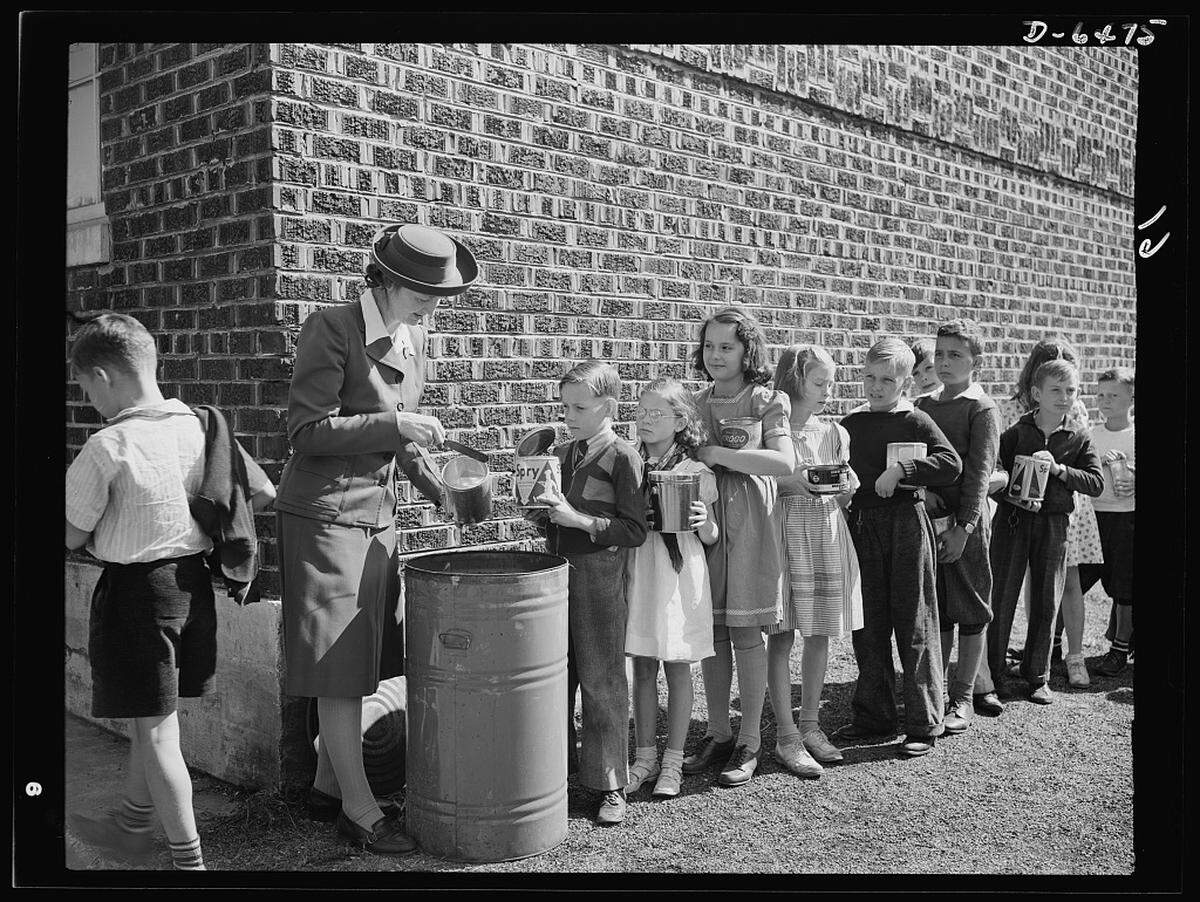
During World War II, women were called into the workforce, often in male-dominated manufacturing, a la “Rosie the Riveter.” Americans held recycling drives to collect rubber, tin and other metals for use in the war effort.
American manufacturers were pressed into service to build guns, ordnance, tanks, ships, aircraft and tactical vehicles under President Roosevelt’s creation of the War Production Board, according to the U.S. Department of Defense. The Lionel toy train company started producing items for warships, including compasses, Ford Motor Company produced B-24 Liberator bombers and a number of companies, such as Rock-Ola jukebox maker, Underwood typewriter maker and IBM, made M1 carbine firearms.
Americans grew 60% of the produce they consumed in “Victory Gardens,” according to the National Park Service, which operates the World War II Memorial. Paper drives, grease drives. Air raid drills directed Americans to turn off their lights and hunker down inside. Americans were encouraged to buy war bonds to help plow money into the war effort.
Now, we can’t even put on a mask when we walk into a store. Keep in mind, too, we’re only 10 months in this thing, and people are complaining about “COVID fatigue.” Ten months after Japan bombed Pearl Harbor on Dec. 7, 1941, it would be still another nearly two years before D-Day and another year after that before the war finally ended on Sept. 2, 1945.
So what’s changed?
Platts said there was much more of a sense of community when he was growing up in the 1930s and 1940s in the Magic Valley. He said the schools would open the gyms at night, on weekends and holidays so the kids would have something to do. Neighbors would notice if neighbors were having health issues.
“Everybody took care of everybody else,” Platts said. “The old guys around took care of us young guys, and it was the churches (that) took care of you, the schools.”
Most interesting about all of these combined efforts is the notion that the sacrifices and collective pain brought Americans together under the understanding that “we’re all in this together.”
That, perhaps more than anything, is what seems to be missing today.
“What the war did in America was remind the American population, as wealthy as the country was, and as well-off as many Americans felt themselves to be, that right now there was something more important going on, and that something more important was making sure the troops got everything they needed,” Citino said. “Most Americans were willing to tighten their belts, and do what had to be done.”
In the early days of the coronavirus pandemic, we began to think of our health care workers as those “troops” who were fighting on our behalf.
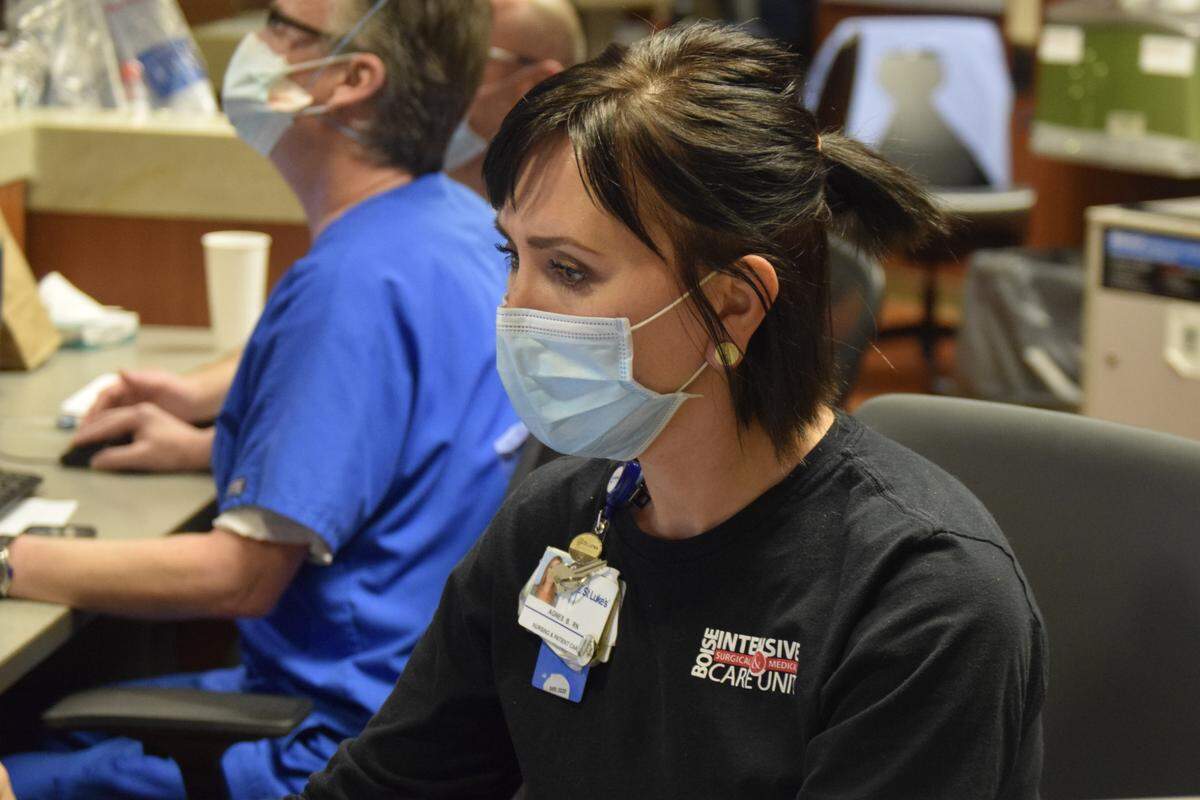
“I want to remind us of something that happened at the beginning of the pandemic,” Dr. Steve Nemerson, chief clinical officer for Saint Alphonsus, said at a recent Central District Health board meeting. “If you remember way back, 10 months ago, … people were putting signs in their yards, saying thank you heroes to the nurse, the doctor, a medical assistant next door. There were all kinds of social media messages about thank you for your service to health care workers.”
We seem to have lost that spirit, but we need to get back to it. We need to switch our perspective. Republicans and Democrats see each other as the enemy. Some see the government as the enemy.
But we need to view the coronavirus as the enemy, one that we all need to chip in and fight, and the nurses, doctors, physician assistants, all of them, are the troops on the front lines of the war, fighting on our behalf, just as did so many men and women who fought in World War II.
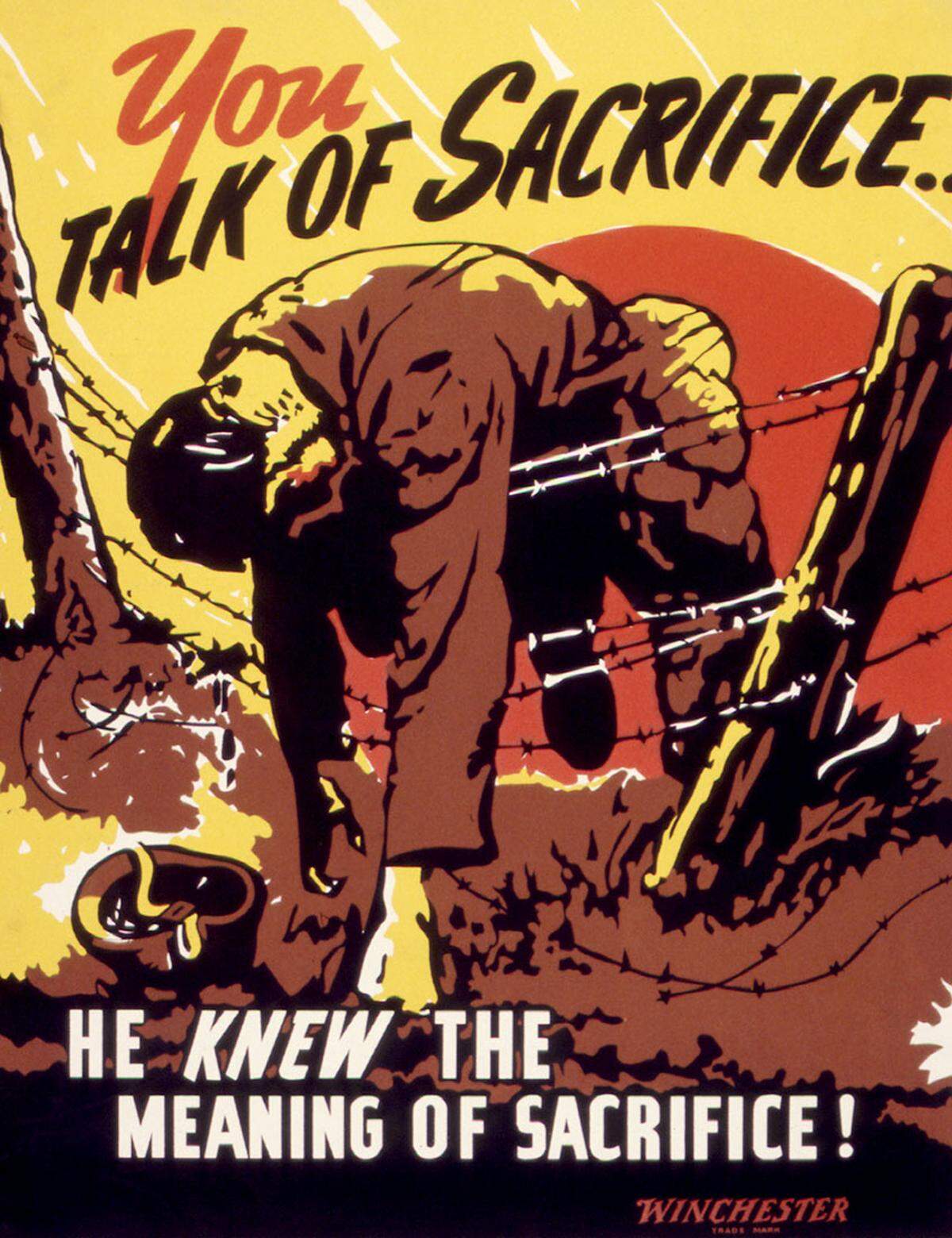
In looking over old photos and videos from the era, I came across a wartime sign at a gas station that carried the phrase, “Don’t Blame Us, Blame Hitler.”
Perhaps we could adopt a similar slogan today, and post it in every shop window, government building and sports venue: “Don’t Blame Us. Blame the Coronavirus.”
That’s the real enemy. Americans came together and sacrificed to defeat the Nazis. We can — and must — do it again.
This story was originally published December 13, 2020 at 4:00 AM.
BEHIND THE STORY
MOREWhat is this column all about?
This column shares the personal opinions of Idaho Statesman communities editor Scott McIntosh on current issues in the Treasure Valley, in Idaho and nationally. It represents one person’s opinion and is intended to spur a conversation and solicit others’ opinions. It is intended to be part of an ongoing civil discussion with the ultimate goal of providing solutions to community problems and making this a better place to live, work and play.
Want more opinions each week?
Subscribe to The Idaho Way weekly email newsletter, a collection of editorials, columns, guest opinions and letters to the editor from the Opinion section of the Idaho Statesman each week. You can sign up for The Idaho Way here.
Want your say?
Readers are encouraged to express their thoughts by submitting a letter to the editor. Click on “Submit a letter or opinion” at idahostatesman.com/opinion.