
Coronavirus is deadlier, sneakier and more contagious than our last pandemic, swine flu
Remember the swine flu in 2009?
While comparisons of today’s coronavirus pandemic to the 1918 Spanish flu outbreak probably are more fitting, the swine flu, or the H1N1 virus, gives us a more recent example of how we dealt with a global pandemic.
Swine flu has some similarities to what we’re seeing today, but the key differences make all the difference in how we’re responding to COVID-19, the respiratory disease caused by the novel coronavirus — and how we respond moving forward.

Among the key differences are that this coronavirus is stealthier (people can carry it for longer without symptoms). It is more contagious and is a novel strain, not simply a mutation of an existing flu type, so we don’t have a viable vaccine in the near future.
“What’s interesting is, with swine flu, a lot of the older folks in the community had some partial immunity because there was probably some overlap with the swine flu strain and other (flu) strains that they had experienced earlier in their life,” Dr. Seth Cohen, infectious disease physician at the University of Washington Medical Center-Northwest in Seattle, told me in a recent phone interview. “But unlike with COVID, swine flu really affected a lot of patients who were under the age of 25, because they had no immunity whatsoever. Whereas, with COVID, the whole population is naive. They don’t have any preexisting immunity to it, and that’s why it’s hitting essentially all age groups.”
Globally, 80 percent of swine flu-related deaths were estimated to have occurred in people younger than 65. But people 65 and older are disproportionately affected and killed by COVID-19.

When all was said and done, from April 12, 2009, to April 10, 2010, the CDC estimated that there were 60.8 million cases of swine flu and 12,469 deaths in the United States. Worldwide, CDC estimated that between 151,700 and 575,400 people died.
So far, about 100,000 people have died from COVID-19 in the United States in just a couple of months, among 1.7 million cases. Worldwide, there have been 5.54 million cases and 384,000 deaths so far. So while we still don’t know for sure what the fatality “rate” is, we already know that COVID-19 has killed far more people in a few months than swine flu did in one year.
The history of swine flu in the United States
The Centers for Disease Control and Prevention on April 24, 2009, issued an outbreak notice of the H1N1 flu, commonly known as swine flu, but the first reference of the illness in the Idaho Statesman archives didn’t come until April 28, 2009.
It was just a brief, a few paragraphs topped by the headline, “4 Idahoans’ throat swabs being tested for swine flu.”
Five people were tested, four of them in eastern Idaho and one in Ada County, but the Ada County man — a health care provider who traveled in Texas — did not have the virus, according to the article.
Response to the swine flu at the time will sound familiar: Idaho was scheduled to receive from the federal government a shipment of masks to filter out viruses. The state had set up a website to disseminate information, and the advice may sound familiar: Don’t touch your eyes, nose or mouth, stay home if you’re sick and avoid close contact with others.
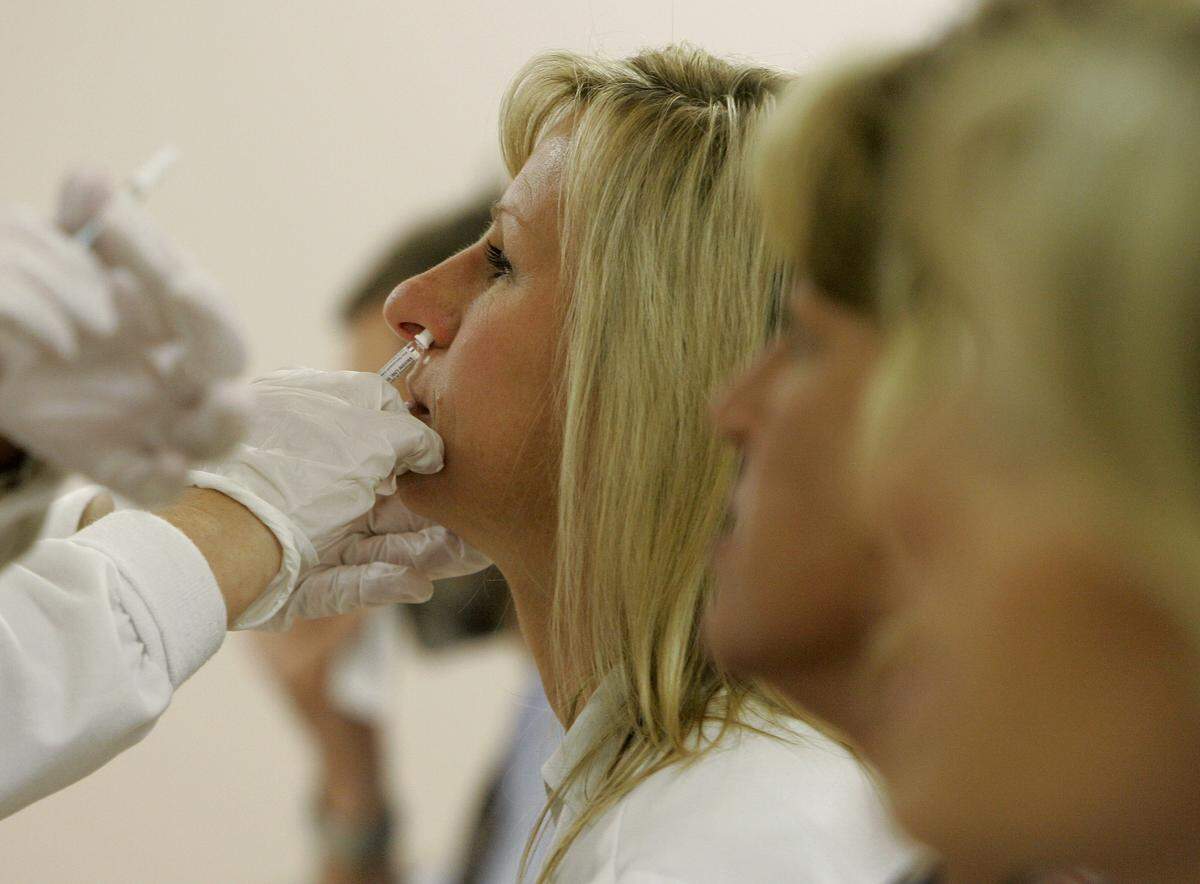
Factories ramped up mask production, and doctors were suggesting an “elbow greeting” instead of shaking hands.
By May 1, Idaho had its first probable case, a North Idaho woman who had traveled to Texas and whose case was later confirmed.
A child younger than 1 in Ada County was confirmed later that week. By May 6, 162 samples from Idaho residents had tested negative and 18 cases were under investigation by the state.
I remember that week, because I was reporting from Kuna, where a Kuna Middle School student had been confirmed as having swine flu.
I distinctly recall at the time how frightening it was, because we knew so little about swine flu, how deadly it was, how contagious it would be, how to treat it and whether there would be a vaccine for it.
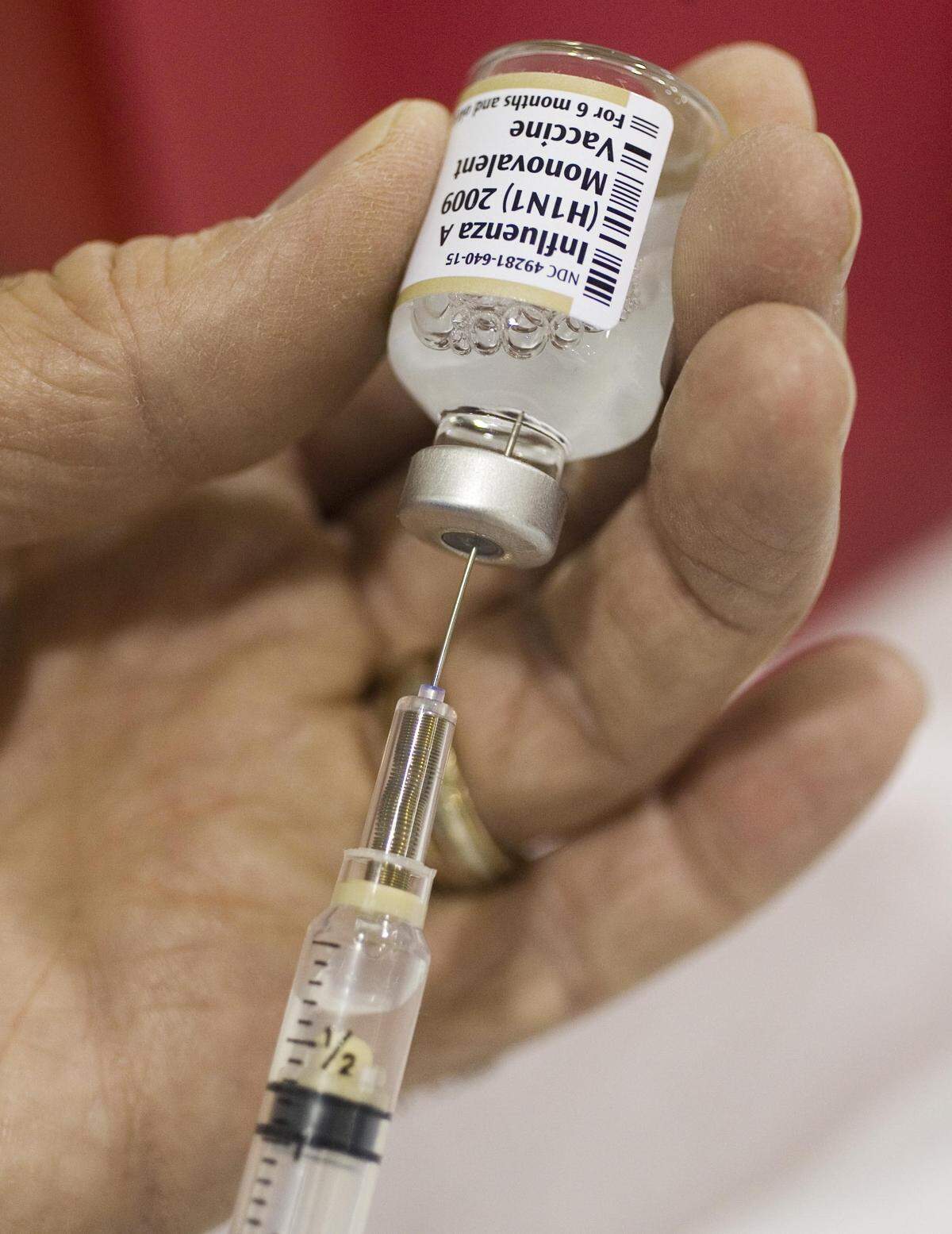
Swine flu was a mutation of the influenza A virus — albeit a very large mutation, Cohen said.
“One of the big issues with influenza is its ability to mutate every year, which is one of the reasons we need a new vaccine every year, and there are several strains that are in circulation,” Cohen said. “So particularly influenza type A, which is what swine flu was, has the ability to undergo these big shifts, these big mutations, and when it does that, it has the potential to become a pandemic, so just like 1918, when there’s a big shift, in 2009 there’s another big shift, and so very few people in the population had immunity to it.”
But because swine flu was simply a subtype of the flu virus, epidemiologists were able to create a vaccine relatively quickly, by October of that year, Cohen said. This coronavirus, however, is a new type of virus, and scientists have much less information about such things as immunity and how long neutralizing antibodies last, for example, according to Cohen.
“So there’s still a lot of your basic science to be done before we even figure out what kind of vaccine is going to work,” he said.
We had advantages in handling swine flu
We also had a couple of key advantages in dealing with swine flu.
One of those is swine flu’s incubation period. It was much shorter (1-4 days) than for COVID-19, which can be up to two weeks.
Why is that important?
Because people with the new coronavirus can walk around with it much longer without showing symptoms, spreading it to more people. People with swine flu, however, got sick much more quickly, sending them to their sick bed, rather than to school or work or parties.
Next, the coronavirus is more contagious. One person can spread it more than someone with swine flu did.
Because swine flu was simply a subtype of influenza A, we were also able to get tests for swine flu more quickly, Cohen said.
“Swine flu was already apparent in Mexico, in that spring,” Cohen said. “It takes a long time to develop a flu vaccine, but it’s a well-trodden path, well-trodden technology, so as soon as the (World Health Organization) identified that swine flu was potentially going to become a pandemic, they ramped up vaccine manufacturing, and that’s why there was eventually a vaccine that was available that year.”
Our federal government’s initial responses were about the same in both outbreaks. In both cases, the United States declared a public health emergency within 11 days.
However, because swine flu was a variant of the influenza virus, the CDC had begun releasing health supplies from its stockpile, and most states had labs capable of diagnosing swine flu without verification of a CDC test within four weeks of detecting swine flu in 2009, according to an article in LiveScience.com.
For coronavirus, though, it took seven weeks after the first confirmed COVID-19 case in the United States, when the CDC announced that 79 state and local health labs in the U.S. could test people for COVID-19. Even then, some of those labs were already running out of supplies to run the tests, and testing capacity continues to be an issue today.
Ironically, the United States spread the swine flu to China. The World Health Organization on May 11, 2009, confirmed the first case in mainland China, which scrambled to find and quarantine more than 200 people who were on the same flight as an infected man, who had been studying at the University of Missouri.
Swine flu cases mounted over the year
By May 12, the United States had the most confirmed cases — 2,618. Mexico had confirmed 2,059 cases. About 4,800 cases had been confirmed worldwide.
In Idaho, by May 14, there were seven confirmed or probable cases, with 14 cases still under investigation and 375 cases in which patients were sick, but not with H1N1.
By July, the swine flu had spread to the Idaho State Correctional Center, leading to a halting of visitors and a quarantine of some prisoners.
One of the saving graces of that pandemic was that it came close to the end of the school year, so students went home for the summer, likely stemming the spread of the virus. Shortly after the time school resumed that fall, a vaccine was available.
Until then, though, by September, swine flu reemerged in schools when students returned to campuses.
At the campus of Northwest Nazarene University, 80 students got sick from it. More than 2,000 students at Washington State University in Pullman had swine flu symptoms that month.
Fortunately, by October, Idaho received its first 9,200 doses of the H1N1 vaccine and began distributing them around the state.
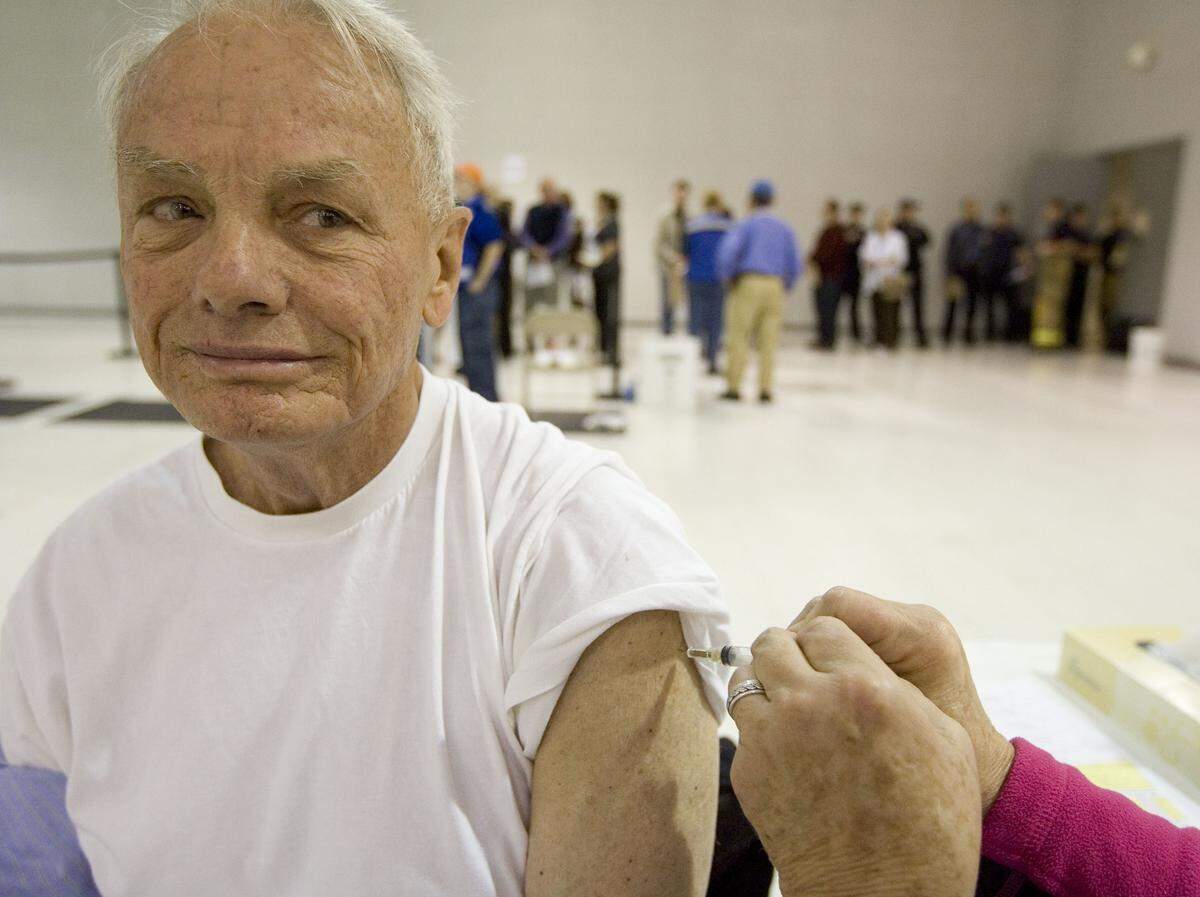
By November, more than 10,000 people in Boise alone had received the vaccine, and free vaccine clinics began to wane.
By the end of the year, H1N1 flu was tied to the deaths of at least 20 Idahoans. The state had more than 800 laboratory-confirmed cases of the swine flu and close to 400 influenza-related hospitalizations, the Idaho Department of Health and Welfare said. Most of those hospitalized were children younger than 10.
The World Health Organization officially declared an end to the global 2009 H1N1 influenza pandemic on August 10, 2010, but the swine flu virus continues to circulate as a seasonal flu, and it still causes illness, hospitalization and deaths worldwide every year.
Moving forward
So moving forward with COVID-19, the concerns are still there. Without a vaccine, this coronavirus is still highly contagious, still stealthy and still relatively deadly. So is it inevitable that even though we’ve flattened the curve, it’s going to come raging back?
“Yep,” Cohen said quickly. “Yeah, it’s going to come back. We are trying to take advantage of this time to improve our therapies, get more information, get more (personal protective equipment), figure out how to take care of these patients, but if things go back to normal, COVID will come right back.”
What I keep thinking about is that swine flu outbreak at Washington State University, where 2,000 students fell ill. Fortunately, a vaccine was right around the corner, and swine flu wasn’t as deadly.
Because what I’m worried about is the decision that universities and colleges are facing all over the country right now whether to invite students back, and students are making these decisions about whether to come back.
I asked Cohen, are we headed for a disaster with our college campuses?
“It’s a good question,” he said. “I mean, I think it’s going to completely transform higher education. The flu has not only vaccines, but also an effective antiviral, which is available in pill form or Tamiflu. And so there’s several reasons why the flu is a little bit easier to combat. Also, just the fatality rate of the flu is lower than COVID. So I think places of higher ed are really going to have to think about what their local incidences are, and how to participate in social distancing during this time.”