
Endorsement: Our pick in a crowded GOP field to unseat Idaho governor | Opinion
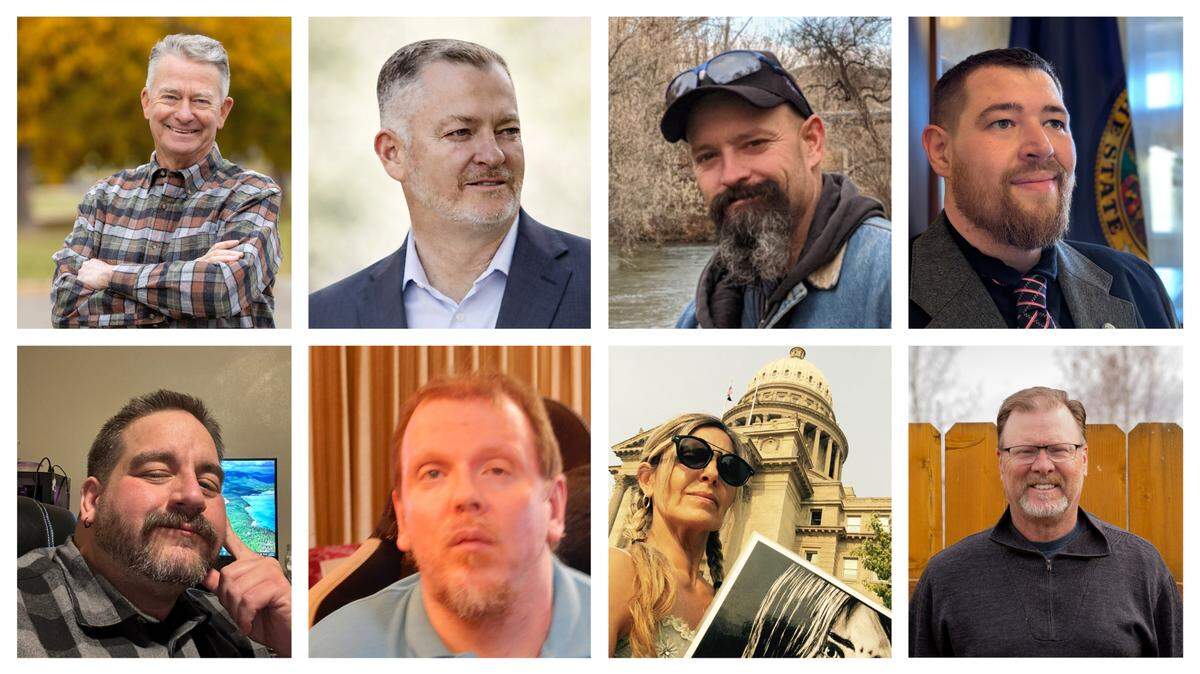
Idaho Gov. Brad Little faces no fewer than seven opponents in the upcoming Republican primary as he tries for his third term as governor.
Among the field of Republican candidates, Little stands head and shoulders above the rest.
He has the legislative and executive experience needed to get things done, such as increasing public education funding and establishing the Idaho Launch scholarship program.
We don’t agree with all of his decisions, but we recognize he’s doing his best to thread the needle when faced with a constant barrage of criticism from not only the left but the far-right faction of his party.
The Idaho Statesman endorses Brad Little in the Republican primary for Idaho governor.
Little is correct to point out that under his administration of the past eight years, the state has cut regulations wisely, increased funding for public education, including increasing teacher pay significantly, invested in infrastructure improvements, all while cutting taxes (although we quibble with the extent of tax cuts), protecting Idaho’s triple‑A credit rating, building up rainy‑day funds and creating a stable, low‑tax, deregulated environment that makes Idaho an attractive place for businesses and residents to move to.
For this race, Little says he wants to “continue the trajectory” Idaho is on of being “a beacon of prosperity for this generation and next.”
He wants to focus on higher wages and better jobs, noting that he was meeting Thursday with a business planning to move from Washington to Idaho.
He said he wants to continue investing in transportation, education, healthcare and public safety in the face of rapid growth, with education as his top policy priority.
He points out that the state has increased spending on K-12 funding by 70% since he first took office.
While he touts Idaho as leading the nation in per‑capita tax relief, we point out that $5 billion in tax cuts and rebates over the past several years have gone too far and have proven to be an impediment to achieving some of his stated goals.
And we continue to be disappointed in Little’s lack of courage in vetoing such harmful bills as the transgender bathroom bill, which in essence tells transgender Idahoans that they don’t exist and aren’t welcome in Idaho.
He also had an opportunity to veto a teacher union-busting bill that treats teachers unions differently from the way other public government unions are treated, such as police and firefighter unions.
Regardless of our criticisms, Little is still the best person for the job.
Mark Fitzpatrick
Little’s most serious threat is probably Mark Fitzpatrick, a retired law enforcement officer from California and now owner of the Old Street Saloon in Eagle.
Fitzpatrick did not respond to our invitation to do an interview, complaining on social media that the Statesman has been critical of him in the past.
That tells us two things about Fitzpatrick: He has thin skin, and he is afraid to defend his positions.
First, if he were to become governor, he’s bound to receive criticism, just as Gov. Brad Little has received criticism from this board in the past. Is Fitzpatrick going to pout, throw a temper tantrum and whine about the media being mean to him every time someone is critical of one of his decisions? If so, he’s going to have a really tough time in office.
Second, it’s one thing to complain to a bar full of admirers about COVID restrictions, immigration and property taxes; it’s another thing altogether to answer difficult questions about the details of your positions. The fact that he’ll only talk to sympathetic groups and not face tougher scrutiny does not portend well for how he’d behave as governor.
He offered a reward for anyone with information for the criminal conviction of Boise Mayor Lauren McLean. He organized a Hetero Awesomeness Fest, losing $80,000 in the process.
Fitzpatrick isn’t a serious person, let alone a serious candidate for governor. He would be an absolute disaster as governor. But remember that more than 100,000 Idahoans thought that Ammon Bundy wouldn’t be an absolute disaster as governor. Coincidentally, Bundy recently endorsed Fitzpatrick for governor, which should tell you all you need to know about Fitzpatrick.
His campaign is a regurgitation of complaints about COVID emergency orders from more than five years ago meant to keep the public safe in the face of a global pandemic that at the time was still unknown and uncertain. He opposes the Idaho Launch scholarship, which is at least one specific policy position he takes. Other than that, it’s vague pronouncements about corruption and fraud (he just knows it must exist), he blames Little for an “illegal immigrant invasion” (Fitzpatrick also lumps in refugees), and he criticizes the governor for a lack of public engagement (which is ironic since Fitzpatrick wouldn’t speak to the Idaho Statesman editorial board; Little did.)
Justin Plante
Justin Plante, to us, is a much better representation of Idaho: hard working, humble, down to earth. We’d much rather have Justin Plante as governor than Fitzpatrick.
Plante’s big issue is combing the state budget through audits and real‑time, data‑driven budgeting to uncover waste and fraud. We appreciate the sentiment, but we think he’ll be disappointed. State agencies already go through regular audits.
But Plante is a genuine, sincere working-class guy who’s taking this campaign seriously. He’s researching the issues, and he carries with him a binder of policy positions on a variety of issues. He opposes last year’s $450 million tax cuts, saying it didn’t help the state as a whole. He opposes repealing Medicaid expansion, and he opposes mass deportations of immigrants, preferring to focus on criminals. Plante expressed skepticism of the state’s new school choice tax credits, and said he would strongly defend public schools.
But the governor needs to have political experience, something Plante is sorely lacking.
Sean Crystal, owner of a hemp products store in Idaho Falls, has put a lot of thought into his positions on health care, education and marijuana legalization, but we found he was glaringly uninformed about such issues as property taxes and Medicaid.
Other candidates in the race, including Daniel Fowler, Ethan Giles, Lisa Marie and Ron James, do not appear to be mounting serious campaigns and stand little chance of winning.
Our hope is that if Little wins reelection, and it turns out to be his final term as governor, he can feel less pressure from far-right primaries and be more free to propose bolder initiatives, veto damaging culture war legislation and cement a legacy as one of Idaho’s greatest governors.
He certainly deserves Republican voter support in the primary.
Statesman editorials are the opinion of the Idaho Statesman’s editorial board. Board members are opinion editor Scott McIntosh, opinion writer Bryan Clark, editor Chadd Cripe, assistant editor Jim Keyser and community members John Hess, Debbie McCormick and Julie Yamamoto.
BEHIND THE STORY
MOREHow we write endorsements
Who decides the endorsements?
Members of Idaho Statesman editorial board interview political candidates, as well as advocates and opponents of ballot measures. The editorial board is composed of journalists and community members. Members of the Statesman editorial board are: Statesman editor Chadd Cripe, opinion editor Scott McIntosh, opinion writer Bryan Clark, assistant editor Jim Keyser and community members John Hess, Debbie McCormick and Julie Yamamoto.
What does the endorsement process entail?
The Statesman editorial board meets with political candidates and asks them a series of questions about policy issues. The editorial board discusses the candidates in each race. Board members seek to reach a consensus on the endorsements, but not every decision is unanimous. The editorial board generally will not endorse a candidate who does not agree to an interview with the board members.
Is the editorial board partisan?
No. In making endorsements, members of the editorial board consider which candidates are well-prepared to represent their constituents — not whether they belong to a particular political party. We evaluate candidates’ relevant experience, their readiness for office, their depth of knowledge of key issues and their understanding of public policy. We’re seeking candidates who are thoughtful and who offer more than just party-line talking points. The editorial board will endorse both Republicans and Democrats. We make recommendations about who the best-qualified candidates for these jobs are.
Why are endorsements unsigned?
Endorsements reflect the collective views of the Statesman’s editorial board — not just the opinion of one writer. Board members all discuss and contribute ideas to each endorsement editorial.
Do I have to vote for the candidate the Statesman endorses?
Of course not. An endorsement is just our recommendation based on the candidates’ backgrounds and their answers to editorial board questions.
Can I disagree with the Statesman’s endorsement?
Of course you can. We encourage voters to do their own research and choose the candidate who best represents your views.
Want your say?
Readers are encouraged to express their thoughts by submitting a letter to the editor. Click on “Submit a letter or opinion” at idahostatesman.com/opinion.
Want more opinions each week?
Subscribe to The Idaho Way weekly email newsletter, a collection of editorials, columns, guest opinions and letters to the editor from the Opinion section of the Idaho Statesman each week. You can sign up for The Idaho Way here.