
Legislature’s tax cuts may delay your tax return, leave seniors hungry | Opinion
We now see the coming consequences of the legislative majority’s singular fixation on tax cuts: overgrown veterans cemeteries, hungry seniors, untreated mental illnesses — and even delayed tax returns.
The evidence is overwhelming that, simply put, last year’s tax cuts were a terrible mistake. It would be a further blunder to approve conformity with the Big Beautiful Bill, which has exploded the federal deficit.
The Legislature is not trimming the fat. It hit bone long ago and now is eating away at the marrow.
Idaho’s budget cuts have claimed the first two lives we know about, as the Statesman’s Sarah Cutler reported. Despite warnings from Idaho sheriffs, emergency cuts to Medicaid-funded mental health care programs has led to a surge in visits to behavioral health crisis centers — and jails, which generally take up the slack when the mental health system fails.
One man who suffered from schizophrenia was on the verge of receiving housing when the cuts went into effect. He was found dead in an abandoned hotel. Another received a minor oral surgery and developed an infection. But without treatment for his psychosis, he refused treatment, and the infection killed him.
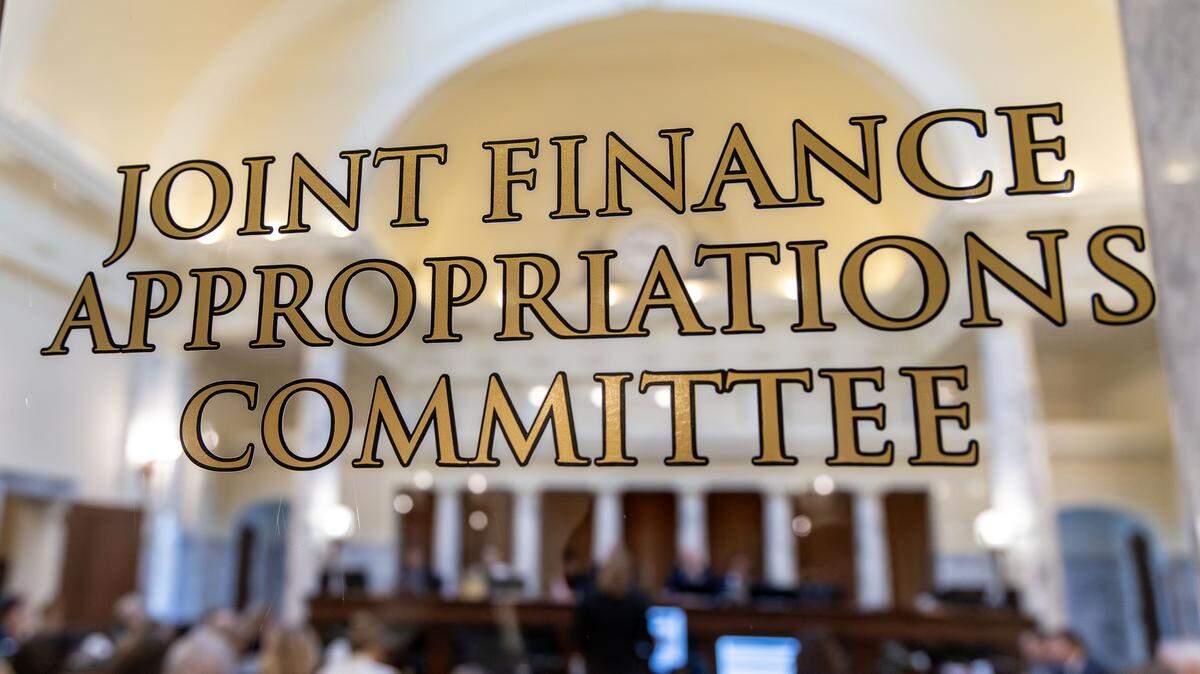
According to a memo published by Gov. Brad Little’s office this week, under the cuts proposed by the Joint Finance-Appropriations Committee, some parole officers would have to be laid off. This would both cost us more in the long run (it costs a lot more to house someone in prison than to monitor them on parole) and erode public safety (it’s easier to get away with violating your parole if no one is watching). Cuts to drug, mental health and veterans court programs would likewise simultaneously increase long-term costs and crime.
There would be required layoffs at juvenile correctional facilities. If Idaho is going to imprison children, it has an absolute responsibility to keep them safe. There is a history of serious problems with violence and sexual assault in such facilities in Idaho. Our answer is fewer guards to keep them safe? That would be a moral failure of staggering magnitude.
Cuts to child welfare services would also mean that it’s much more likely there will be no one to investigate reports of abuse.
The tax cuts might even interfere with your tax return, of all things. The memo reports that cuts to the temporary tax season staff at the Tax Commission would delay tax processing by 12-24 weeks, and slow getting returns sent by six weeks. It would also cut the state’s revenue as it loses some ability to collect delinquent taxes.
Thirty-one thousand meals for seniors would be axed.
There would have to be less maintenance at veterans cemeteries.
Rural infrastructure grants would be cut. One inspection station to prevent economically devastating quagga mussel spread would be shuttered, and two planned stations would be abandoned.
Scores of career and technical education programs — including those vital to ensuring we have enough (largely volunteer) firefighters in rural areas — would be eliminated. Community colleges would lose 7% of their budgets, reducing Idaho’s future skilled workforce.
Having chased OB/GYNs out of the state, the Legislature would ensure they won’t be replaced by eliminating a program to provide fellowships.
And it’s worth remembering: Idaho is in a state of economic plenty that will not last. Sooner or later, a recession will come. Tax revenue will plummet. Much deeper cuts will be required. There’s no way to know when this will happen, only that it surely will.
If we find ourselves unable to feed seniors and fund parole officers in a time like this, how bad will things be then?
Republican lawmakers have long described government as bloated, wasteful and inefficient. What they’ve proven in the last few years of cutting is that either it isn’t bloated at all, or they are grossly incapable of locating and fixing waste.
All that talk was blowhard campaign sloganeering all along.
Pay attention to how your lawmaker reacts to this news. If they are scrambling, trying to find solutions to ensure that things like this don’t happen, you’ve elected a workhorse whose interest is in actual governance.
If they brush it off and push toward further cuts, you’ve elected a show pony. They don’t know what they’re doing, but they work very hard to make sure that you see them prance around. No better way for a politician to prance than bragging about tax cuts.
Get them out of office the first chance you get.
Statesman editorials are the opinion of the Idaho Statesman’s editorial board. Board members are opinion editor Scott McIntosh, opinion writer Bryan Clark, editor Chadd Cripe, assistant editor Jim Keyser and community members John Hess, Debbie McCormick and Julie Yamamoto.
BEHIND THE STORY
MOREWhat is an editorial?
Statesman editorials are the consensus opinion of the Idaho Statesman’s editorial board. The editorial board is composed of journalists from the Idaho Statesman and community members. Members of the editorial board are Statesman editor Chadd Cripe, opinion editor Scott McIntosh, opinion writer Bryan Clark, assistant editor Jim Keyser and community members John Hess, Debbie McCormick and Julie Yamamoto.
How does the editorial board operate?
The editorial board meets weekly and sometimes invites subjects to board meetings to interview them personally to gain a better understanding of the topic. Board members also communicate throughout the week via email to discuss issues and provide input on editorials on topics as they are happening in real time. Editorials are intended to be part of an ongoing civil discussion with the ultimate goal of providing solutions to community problems.
Why are editorials unsigned?
Editorials reflect the collective views of the Statesman’s editorial board — not just the opinion of one writer. An editorial is a collective opinion based on a group discussion among board members. While the editorial is written by one person, typically the opinion editor, it represents the opinions and viewpoints expressed by members of the editorial board after discussion and research on the topic.
Want your say?
Readers are encouraged to express their thoughts by submitting a letter to the editor. Click on “Submit a letter or opinion” at idahostatesman.com/opinion.
Want more opinions each week?
Subscribe to The Idaho Way weekly email newsletter, a collection of editorials, columns, guest opinions and letters to the editor from the Opinion section of the Idaho Statesman each week. You can sign up for The Idaho Way here.