
Are storm clouds gathering on Idaho’s economic horizon? | Opinion
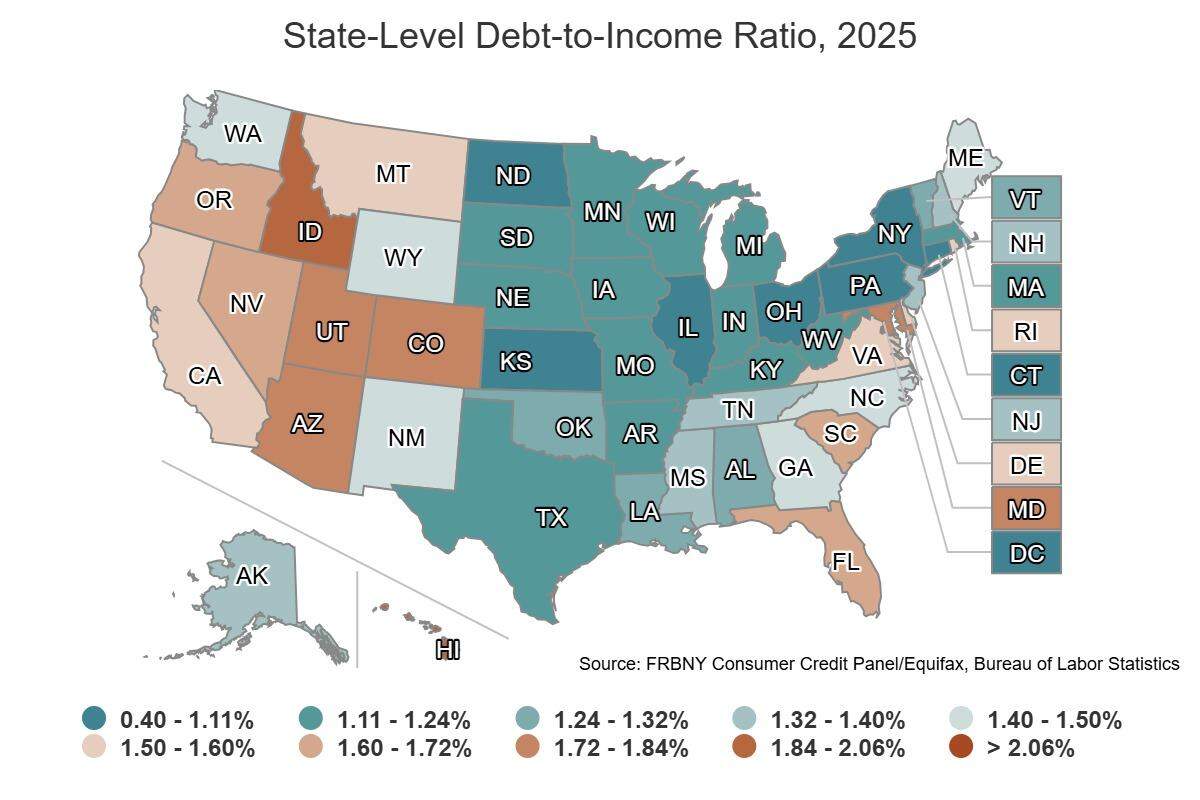
A couple of recent economic reports present concerning statistics about affordability for people living in Idaho, and especially for people in their 20s and even into their 30s.
According to the Federal Reserve, Idaho residents now have the highest debt-to-income ratios in the nation — tied for first with Hawaii.
Much of this stems from the influx of new residents and the rising cost of housing, particularly in our region.
Even more troubling for young people in Idaho is the fact that younger households’ true burden may be even worse because student loan debt is excluded from the calculations.
Another recent report from the National Association of Realtors shows that Idaho ranks among the least affordable states for households earning between $50,000 and $100,000 a year.
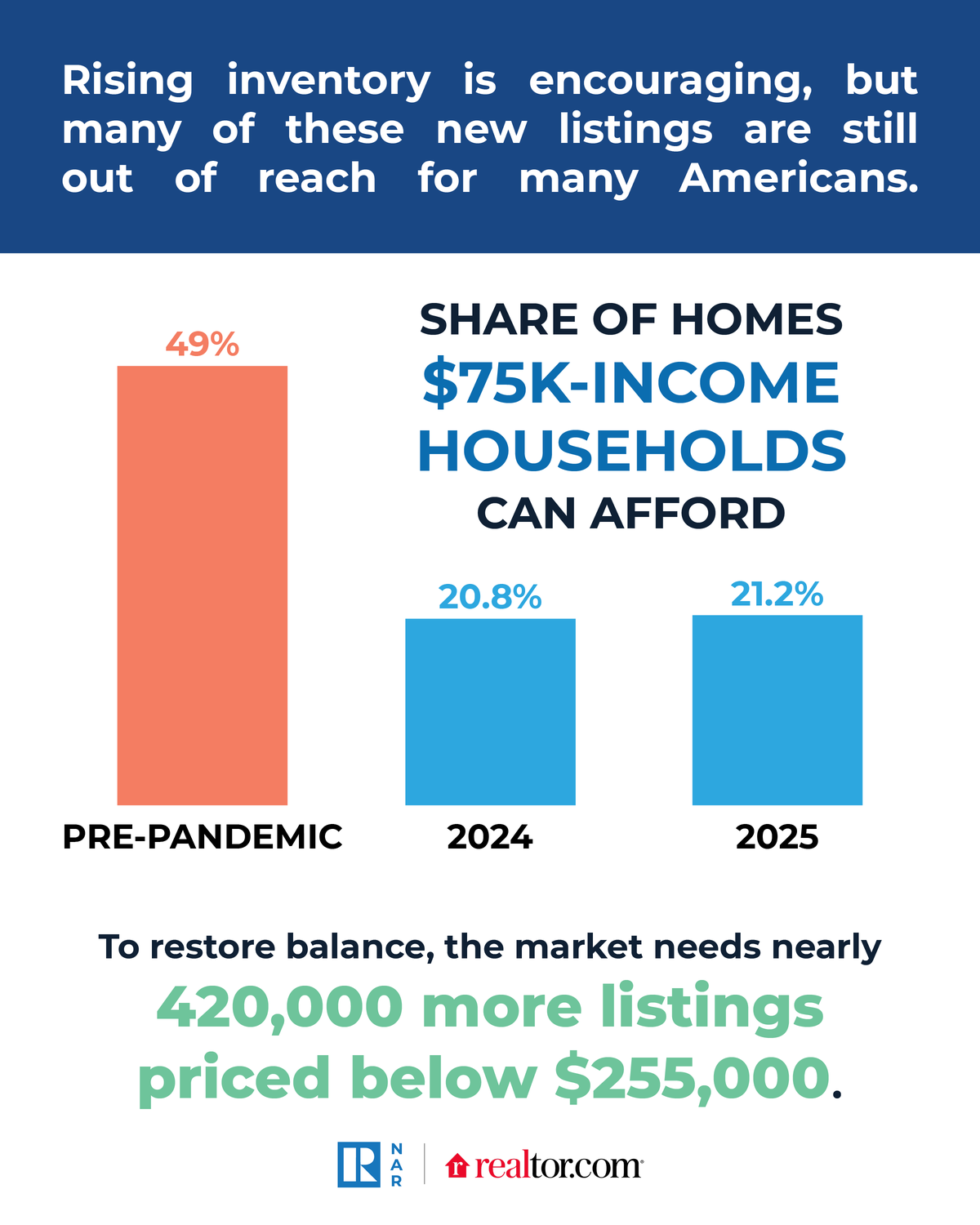
Nationally, the share of first-time homebuyers has dropped to a new low of 21% of all buyers, and the median age of those first-time buyers has increased to 40, according to an article in the Idaho Capital Sun.
And for college students graduating next year, employers are projecting just a 1.6% increase in hiring for the class of 2026 compared with the class of 2025, according to the National Association of Colleges and Employers’ Job Outlook 2026 survey.
Yes, per capita personal income has grown in Idaho, but Idaho is still in the bottom half of the nation for median household income.
In addition, U.S. Census Bureau data show that significant changes in income occurred at the top 10% of incomes, while inflation ate into wage gains at the lower end of the scale, according to the most recent Idaho Economic Forecast from the Idaho Division of Financial Management.
Meanwhile, for Idahoans with young families, wages have not kept up with rising child care costs. According to the most recent numbers from the Idaho Department of Labor, the cost of child care ranges from 8.24% to more than 10% of family income, depending on age group. That far surpasses the 7% that the U.S. Department of Health and Human Services considers to be the benchmark for affordable child care.
Taken together, these numbers paint a troubling picture for younger Idahoans who hope to build a life and raise a family here.
If a recession occurs in the next 18 months, the combination of high personal debt and unaffordable housing could force many young families to leave the state.
For decades, Idaho prided itself on being an affordable place to live, especially when it came to housing and other monthly expenses, like utility costs.
These new trends challenge that reputation and should be a serious concern for elected leaders.
The growing gap between housing costs and wages — along with employers’ difficulty keeping wages in step with inflation — poses a real threat to Idaho’s economic stability.
If these issues aren’t addressed soon, they could spell real trouble for both residents and the officials charged with leading the state forward.
Statesman editorials are the opinion of the Idaho Statesman’s editorial board. Board members are opinion editor Scott McIntosh, opinion writer Bryan Clark, editor Chadd Cripe, newsroom editors Dana Oland and Jim Keyser and community members John Hess, Debbie McCormick and Julie Yamamoto.