
Risch, Crapo must act now to protect Idaho’s public lands | Opinion
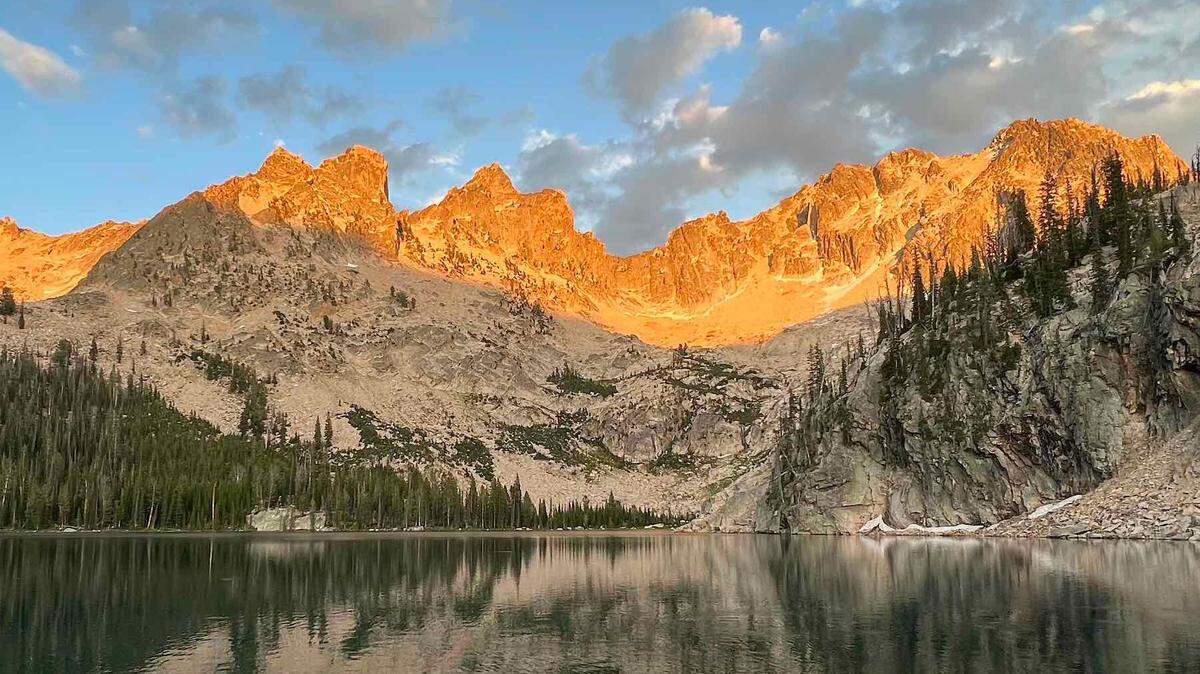
If you live in Idaho, you care about public lands. They are now in their most precarious position in perhaps a century.
U.S. Sen Mike Lee, R-Utah, is working to place a provision mandating the sale of more than 3 million acres of public lands — an amount of land greater than the total landmass of several eastern states — into the “One Big Beautiful Bill.”
The idea that federal lands could be sold is not unique. There already exists a set of rules under which small portions of federal lands may be sold, if that sale does not harm the public and is for public benefit.
But Lee’s proposal is fundamentally different. It mandates the disposal of vast swaths of your land, including in Idaho, for which you would receive nothing.
Lee frames this as a matter of state sovereignty. This proposal has nothing to do with that.
The fact is that years of deep tax cuts, particularly benefiting the wealthy, together with a population that lives longer, increasing the cost of entitlements like Social Security and Medicare, and growing defense budgets have left the country with an enormous debt and large structural deficit. There will be increasing pressure to cut the deficit.
What’s poisonous about Lee’s plan is the precedent it could set: It opens the door to paying off that debt by selling off our most precious birthright, the greatest heritage we can pass on to our children.
Once politicians have dipped their hands in this cookie jar, they’ll be back for more. Count on it.
And there is no limiting principle.
The fundamental argument of many in the public lands takeover movement is that the federal government has no constitutional right to possess lands except for federal buildings and military installations. They have refrained from extending the sell-off logic to national parks and monuments, not because they have some argument why such lands are different, but because they know it would be horrendously unpopular.
But chip away at public lands year after year, and they’ll be on the block too, sooner or later.
The instant this land enters private hands, it will be lost to you forever.
Idahoans have seen an influx of wealthy out-of-staters. People have been driven from their homes as property taxes rise, driven by these deep pockets. And if federal lands go up for sale, you can be sure they won’t wind up in Idahoans’ hands.
They’ll wind up the possession of folks like the Wilks brothers, a pair of Texans who’ve worked hard to lock Idahoans out of their public lands and backed a money-making venture to turn the future of hunting into a possession of the wealthy. Maybe they’ll wind up being sold to mining companies, to be wrecked, stripped and left to leach heavy metals into your drinking water.
If you want to see Idaho’s long-term future once this door is opened, visit the East Coast, where there is almost no federal land.
Want to fish? Good luck. Along the banks of many rivers, you’ll find fenced river lots that make it impossible to enter the river without traveling many miles.
Want to hunt? Keep dreaming. Unless you are already close friends with a large landowner, or want to pay a huge chunk of change to shoot a trough-fed deer on a high-fence hunting operation, you’ll have to travel a very long way to find someplace you can do it.
Need a hike through the woods to clear your head? Be ready to fork over a few tanks of gas to get somewhere where it’s allowed.
Want to ride your side-by-side? Where, exactly?
Those are just the recreational uses. Ranchers could lose grazing land that is leased at a much lower rate than comparable private land.
If Sens. Mike Crapo and Jim Risch vote for a reconciliation bill that contains these land sale provisions, they’re voting to sell Idaho’s soul.
Maybe they want to live in Washington, D.C. The rest of us don’t.
BEHIND THE STORY
MOREWhat is an editorial?
Statesman editorials are the consensus opinion of the Idaho Statesman’s editorial board. The editorial board is composed of journalists from the Idaho Statesman and community members. Members of the editorial board are Statesman editor Chadd Cripe, opinion editor Scott McIntosh, opinion writer Bryan Clark, assistant editor Jim Keyser and community members John Hess, Debbie McCormick and Julie Yamamoto.
How does the editorial board operate?
The editorial board meets weekly and sometimes invites subjects to board meetings to interview them personally to gain a better understanding of the topic. Board members also communicate throughout the week via email to discuss issues and provide input on editorials on topics as they are happening in real time. Editorials are intended to be part of an ongoing civil discussion with the ultimate goal of providing solutions to community problems.
Why are editorials unsigned?
Editorials reflect the collective views of the Statesman’s editorial board — not just the opinion of one writer. An editorial is a collective opinion based on a group discussion among board members. While the editorial is written by one person, typically the opinion editor, it represents the opinions and viewpoints expressed by members of the editorial board after discussion and research on the topic.
Want your say?
Readers are encouraged to express their thoughts by submitting a letter to the editor. Click on “Submit a letter or opinion” at idahostatesman.com/opinion.
Want more opinions each week?
Subscribe to The Idaho Way weekly email newsletter, a collection of editorials, columns, guest opinions and letters to the editor from the Opinion section of the Idaho Statesman each week. You can sign up for The Idaho Way here.