
The risk to Idaho’s public lands is growing. How to act now | Opinion
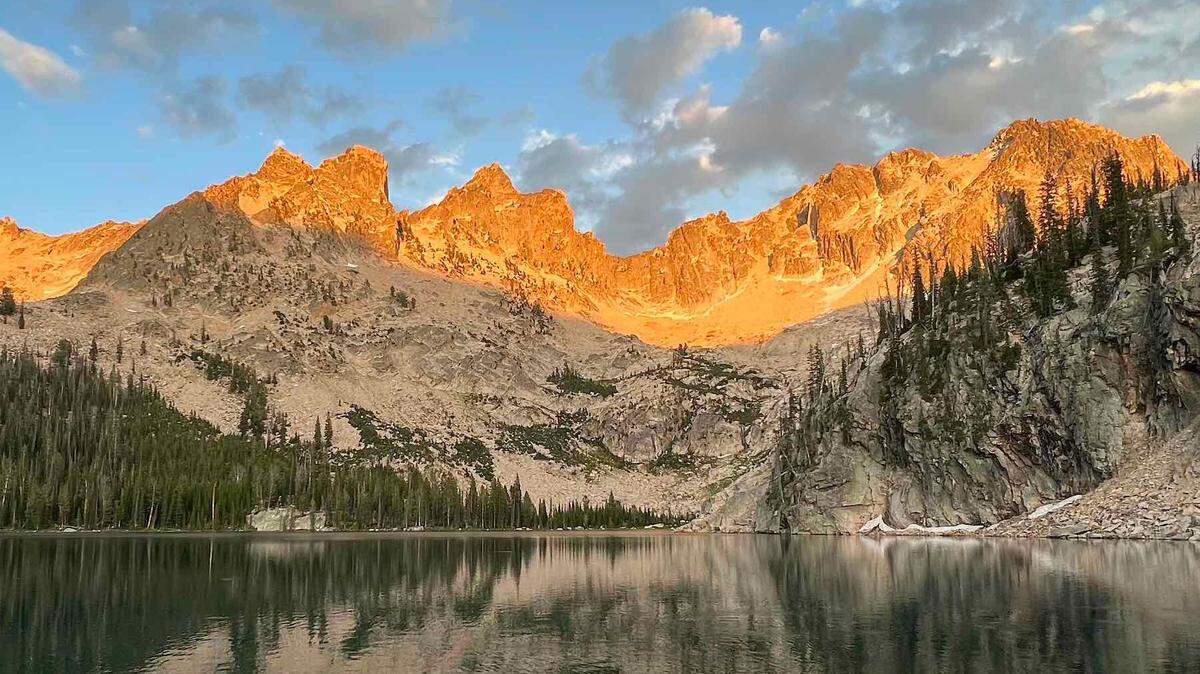
The threat to public land in Idaho and throughout the West is rising and will soon come to a head.
Right now, Congress is in recess — that brief window of time when senators and representatives return home, hopefully to hear from their constituents. Soon, they’ll head back to Washington with the idea of writing laws, and that’s when the real danger begins.
Many in the Republican Party are openly discussing the idea of selling off federal lands to help pay for a permanent extension of President Donald Trump’s first-term tax cuts and border spending. Meanwhile, the administration is using a fake “energy emergency” to attempt to bypass federal law and expanding mining, drilling and other extractive industries, as the New York Times reported.
One of Idaho’s delegation, Rep. Mike Simpson, has thankfully taken a strong stand in favor of Idaho’s public lands by signing on as a co-sponsor of the “Public Lands in Public Hands Act,” which was introduced by Montana Republican Rep. Ryan Zinke, who served for two years as secretary of the interior during the first Trump administration.
Rep. Russ Fulcher, who serves on the House Natural Resources Committee, should sign onto this bill if he wants to demonstrate to his constituents that he opposes selling off Idaho’s public lands. So far, he’s just thrown around false rhetoric about how Idahoans are “tenants” in their own state.
Sens. Mike Crapo and Jim Risch could do the same, if and when a companion bill is introduced in the U.S. Senate — in fact, they themselves could introduce such legislation. This would be in keeping with their past efforts to show leadership on public lands protection, for example, through Crapo’s sponsorship of the Owyhee Initiative and Risch’s work on the Idaho Roadless Rule.
It wouldn’t take some unprecedented leap of courage to do so. Montana Republican Sen. Steve Daines has made it clear that he “has never and will never support the sale of public lands,” according to E&E News. So has his seatmate, Republican Sen. Tim Sheehy.
Some Republicans in Congress have decided to rely on a dishonest game when it comes to selling off federal land. The U.S. House tweaked the accounting rules earlier this year to say that transferring federal lands “shall not be considered as providing new budget authority, decreasing revenues, increasing mandatory spending, or increasing outlays.”
That is, potential revenue from selling federal lands counts, but the underlying value of the federal land being sold and the future revenue from it does not. In other words, if you sold Yellowstone National Park for $10, giving up the value of that land — incalculable, but certainly in the tens of billions at the very least — Congress has decided to call that sale a $10 profit. That’s a fool’s math by any measure.
And, in the Senate, where a budget bill can bypass the filibuster and pass with a only simple majority, many Republicans are openly considering the idea of selling public lands to pay for tax cuts that mainly benefit the wealthy. There was an effort to exclude public land sales from that process. It failed by two votes — votes that belong to Crapo and Risch.
That was a betrayal of their constituents’ interests.
Selling off public lands is horrendously unpopular with essentially every demographic in America. According to recent polling, among all U.S. residents, about 71% oppose selling public lands, and only 10% support it. That doesn’t change much when you focus on Republicans. Among those who voted for President Donald Trump in 2024, 61% oppose selling public lands and only 16% support it.
Luckily, the betrayal is not final. No land has been sold yet. Crapo and Risch can still act to stop it, and they should.
Any significant sale of public lands will diminish Idaho and the nation — permanently. What we sell, we will never get back. The moment a billionaire gets their hands on your favorite place to hike, hunt, fish or climb, it’s gone forever. You’ll never take your kids or your grandkids there. You’ll never pass on to them what was passed on to you.
Take advantage of the recess, and make it clear to your representatives how important public lands are to you. It matters more than you might think.
BEHIND THE STORY
MOREWhat is an editorial?
Statesman editorials are the consensus opinion of the Idaho Statesman’s editorial board. The editorial board is composed of journalists from the Idaho Statesman and community members. Members of the editorial board are Statesman editor Chadd Cripe, opinion editor Scott McIntosh, opinion writer Bryan Clark, assistant editor Jim Keyser and community members John Hess, Debbie McCormick and Julie Yamamoto.
How does the editorial board operate?
The editorial board meets weekly and sometimes invites subjects to board meetings to interview them personally to gain a better understanding of the topic. Board members also communicate throughout the week via email to discuss issues and provide input on editorials on topics as they are happening in real time. Editorials are intended to be part of an ongoing civil discussion with the ultimate goal of providing solutions to community problems.
Why are editorials unsigned?
Editorials reflect the collective views of the Statesman’s editorial board — not just the opinion of one writer. An editorial is a collective opinion based on a group discussion among board members. While the editorial is written by one person, typically the opinion editor, it represents the opinions and viewpoints expressed by members of the editorial board after discussion and research on the topic.
Want your say?
Readers are encouraged to express their thoughts by submitting a letter to the editor. Click on “Submit a letter or opinion” at idahostatesman.com/opinion.
Want more opinions each week?
Subscribe to The Idaho Way weekly email newsletter, a collection of editorials, columns, guest opinions and letters to the editor from the Opinion section of the Idaho Statesman each week. You can sign up for The Idaho Way here.