
If Idaho Falls can release police body-cam footage of shooting, why can’t Boise? | Opinion
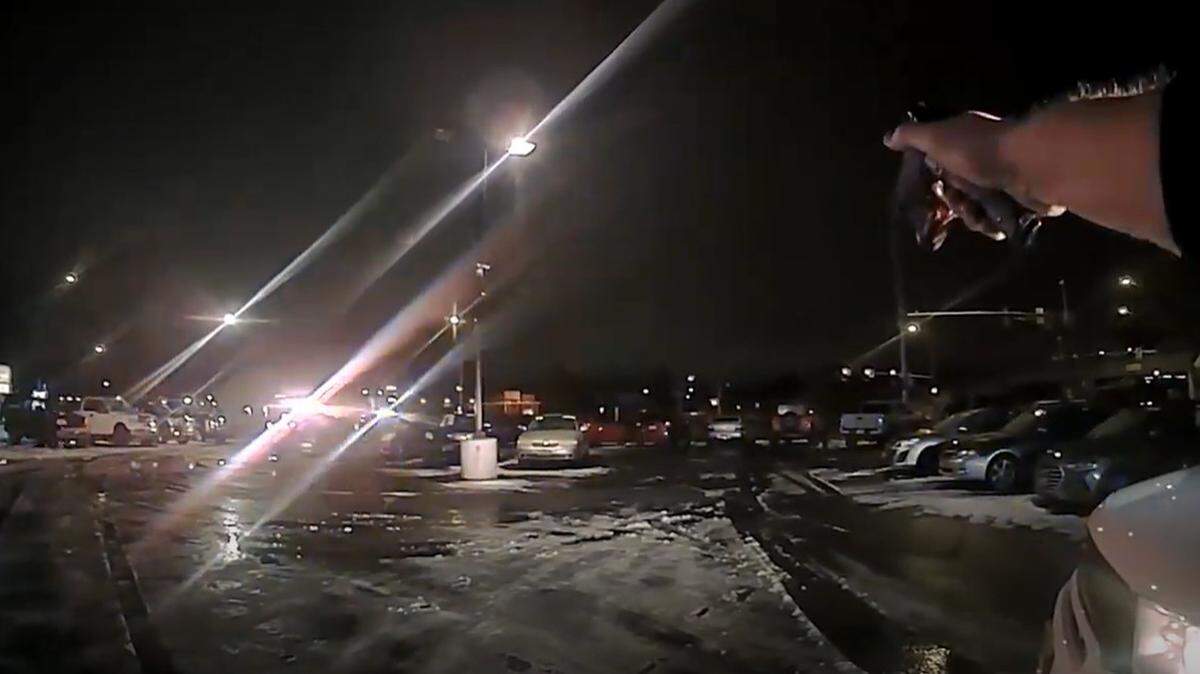
The Idaho Falls Police Department on Wednesday released extensive video footage of a police shooting from multiple police body cameras and security camera footage.
The 20-minute video was released just a little over a week after the shooting on Dec. 4.
Just a little over one week to produce body-cam footage to the public.
Meanwhile, it’s been nearly six months since Boise Police shot and killed Payton Wasson on June 24, and city and county officials here still refuse to release footage, photos or reports related to the shooting, citing an exemption in Idaho’s public records law exempting records that will impede an investigation or enforcement proceedings.
At best, the situation shows the arbitrary nature of claiming these exemptions in the public records law. How can one agency hide footage for nearly six months, while another agency — in the same state under the same public records laws — releases footage?
At worst, it shows that the Boise Police Department and the Ada County Prosecuting Attorney’s Office are abusing discretion in their application of the exemption.
It’s clear that Idaho Falls’ release of the body-cam footage is not going to impede the investigation or enforcement proceedings; why would Boise Police and the Ada County Prosecutor claim release of their footage will impede theirs?
The Idaho Falls Police Department even made one redaction: the name of an Idaho State Police trooper that one of the Idaho Falls officers said on the recording.
The Idaho Falls footage clearly shows the suspect firing a gun at officers, running away and then holding a gun to his own head. A shot can be heard, which Idaho Falls Police say caused one officer to fire his gun at the suspect, thinking the suspect had fired again at officers.
The footage of the incident bears this out. Watching the footage gives the public a clear understanding of the dangerous nature of the situation.
Video footage from multiple angles and cameras makes clear why officers did what they did.
Without the footage, the public is asked to take the police department’s word for what happened. With the footage, there’s no need for doubt or room for suspicion.
As we’ve written before about Boise Police’s resistance to releasing information and body-camera footage, secrecy breeds suspicion, whether deserved or not.
The fact that Idaho Falls released the footage so quickly shows that it can be done.
In Boise’s case, it should be done.