
Idaho’s wildland firefighters are facing a pay cliff. Fix it before fire season hits | Opinion
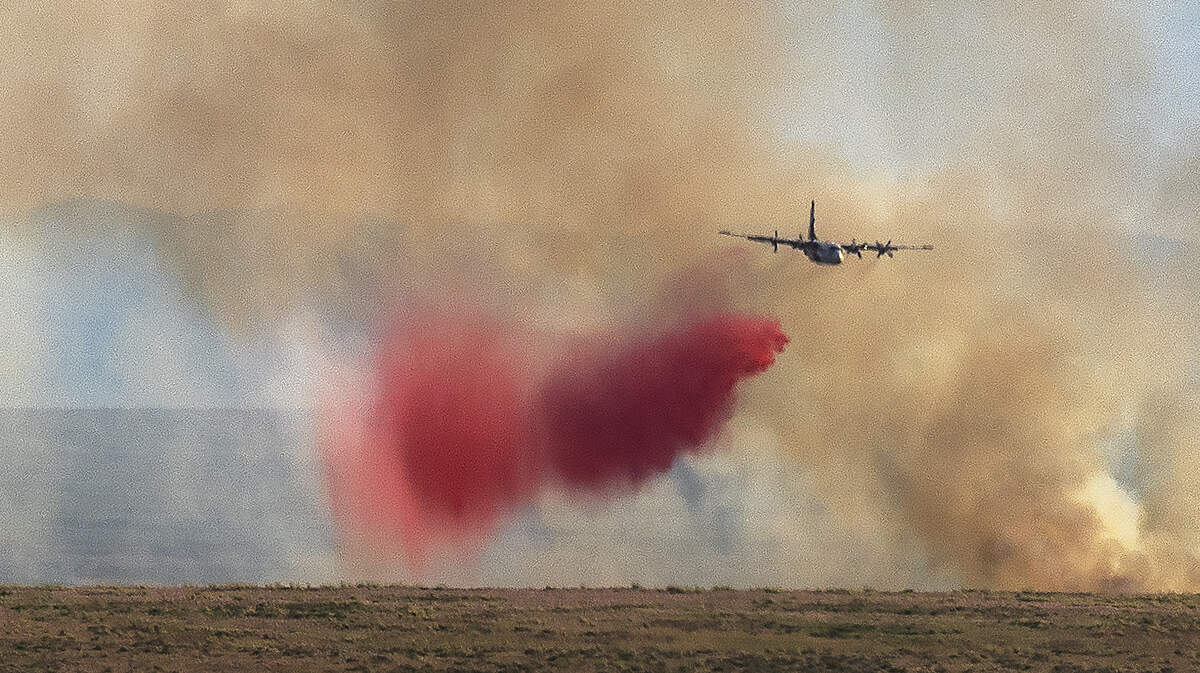
There are few jobs more important to Idaho than those of wildland firefighters. The work is grueling. There’s a lot of time away from your family. And without wildland firefighters, many more Idahoans would lose everything they have each year.
The pay for that job should reflect that it is hard, dangerous and vital. Idaho’s congressional delegation should see to it that federal firefighters are compensated well.
But right now, as Idaho enters what has the makings of a particularly bad fire season, federal wildland firefighters are on the brink of taking a massive pay cut, as Boise State Public Radio reported last week.
President Joe Biden’s 2021 infrastructure bill included a significant pay increase for firefighters, but it was passed with a sunset date. That sunset is less than three months away, resulting in an looming “fiscal cliff.” This cliff could result in some losing about a third of their current base pay, or a maximum of $20,000 per year, according to congressional testimony from Deputy Chief Jaelith Hall-Rivera before the Senate Committee on Natural Resources in June.
Union officials have warned that between 50% and 30% of firefighters may leave the industry if that happens, according to NBC News. That would be a double-whammy for a state like Idaho, where the state government says it is unable to retain experienced wildland firefighters, as the Idaho Capital Sun reported.
This is a bad year to wind up short-handed. On the one hand, the panhandle’s forests are already in drought conditions as the long-delayed summer heat has arrived in full force. On the other, the cool, wet spring and early summer have led to a lot of fuel growth in the rangelands of southern Idaho.
It’s just a matter of time before these men and women are going to be called upon to fight a massive wildfire in Idaho. We’d be wise to be prepared.
And our congressional delegation has the power to help. There is currently a bipartisan bill in the U.S. Senate that would significantly increase the pay of firefighters, relative to their pre-infrastructure bill pay. Some firefighters would get more than they do now. Some would get a bit less. But none would lose a third of their income, as will happen without intervention.
The bill is sponsored by Democrat-turned-Independent Kyrsten Sinema or Arizona, and cosponsored by Republicans John Barrasso of Wyoming and Steve Daines of Montana, along with Democrats Joe Manchin of West Virginia, Jon Tester of Montana and Alex Padilla of California.
Sens. Mike Crapo and Jim Risch should add their names to that list. And Reps. Mike Simpson and Russ Fulcher should support the bill if and when it arrives in the House.
Idaho’s wildfires are bad and will only get worse over time due to the impact of climate change. We’re going to have to fight them. Fixing the pay cliff is the first step.
In the longer term, however, Idaho will need many more firefighters than it has now. Our delegation should be planning for that inevitability now.
BEHIND THE STORY
MOREWhat is an editorial?
Statesman editorials are the consensus opinion of the Idaho Statesman’s editorial board. The editorial board is composed of journalists from the Idaho Statesman and community members. Members of the editorial board are Statesman editor Chadd Cripe, opinion editor Scott McIntosh, opinion writer Bryan Clark, assistant editor Jim Keyser and community members John Hess, Debbie McCormick and Julie Yamamoto.
How does the editorial board operate?
The editorial board meets weekly and sometimes invites subjects to board meetings to interview them personally to gain a better understanding of the topic. Board members also communicate throughout the week via email to discuss issues and provide input on editorials on topics as they are happening in real time. Editorials are intended to be part of an ongoing civil discussion with the ultimate goal of providing solutions to community problems.
Why are editorials unsigned?
Editorials reflect the collective views of the Statesman’s editorial board — not just the opinion of one writer. An editorial is a collective opinion based on a group discussion among board members. While the editorial is written by one person, typically the opinion editor, it represents the opinions and viewpoints expressed by members of the editorial board after discussion and research on the topic.
Want your say?
Readers are encouraged to express their thoughts by submitting a letter to the editor. Click on “Submit a letter or opinion” at idahostatesman.com/opinion.
Want more opinions each week?
Subscribe to The Idaho Way weekly email newsletter, a collection of editorials, columns, guest opinions and letters to the editor from the Opinion section of the Idaho Statesman each week. You can sign up for The Idaho Way here.