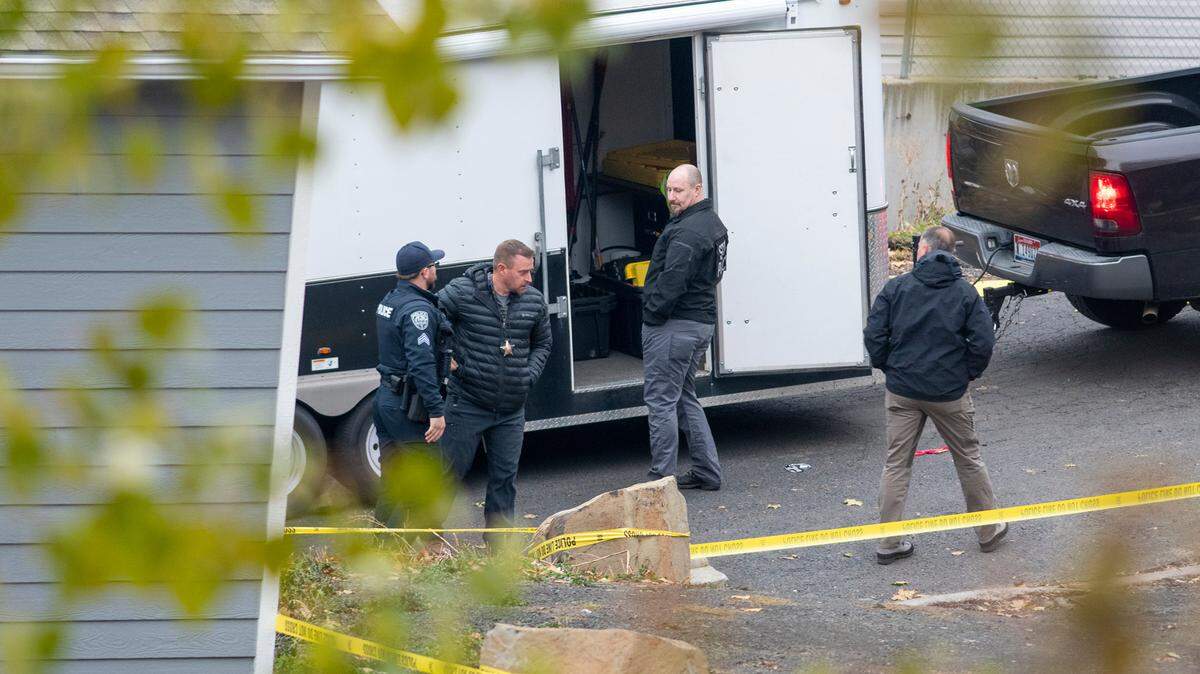
Poor communication in University of Idaho killings shows how not to handle crisis
READ MORE
University of Idaho homicides
Four U of I students were found dead in a house off campus on Nov. 13. Follow our coverage here.
Expand All
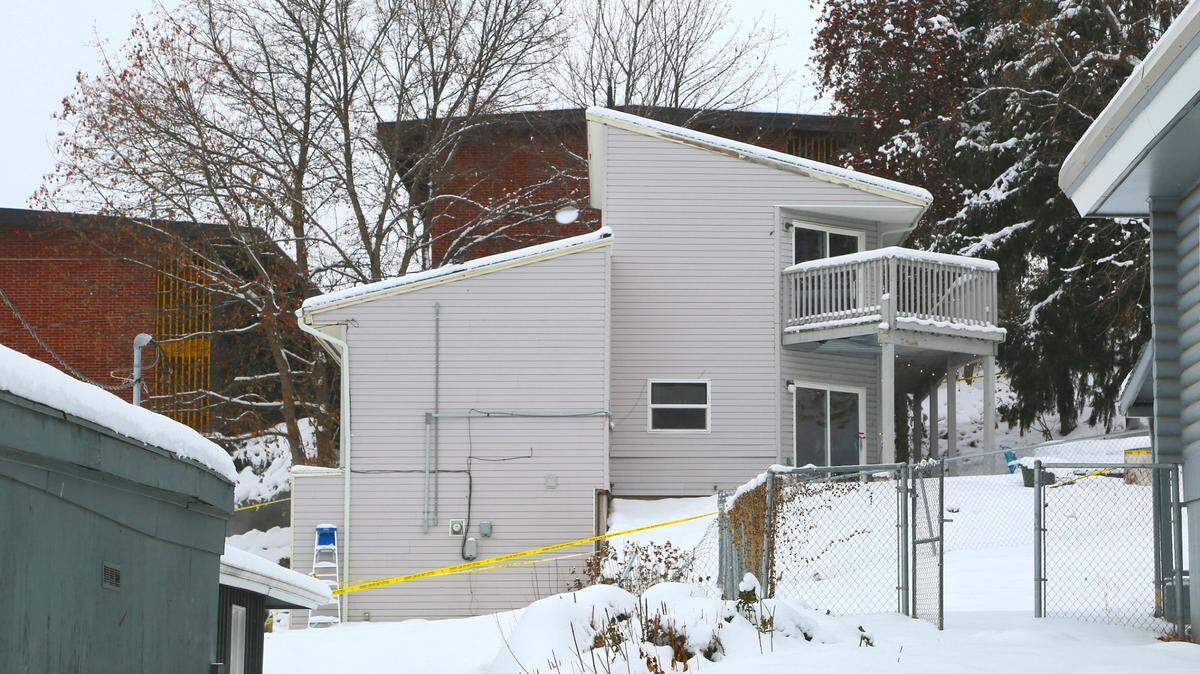
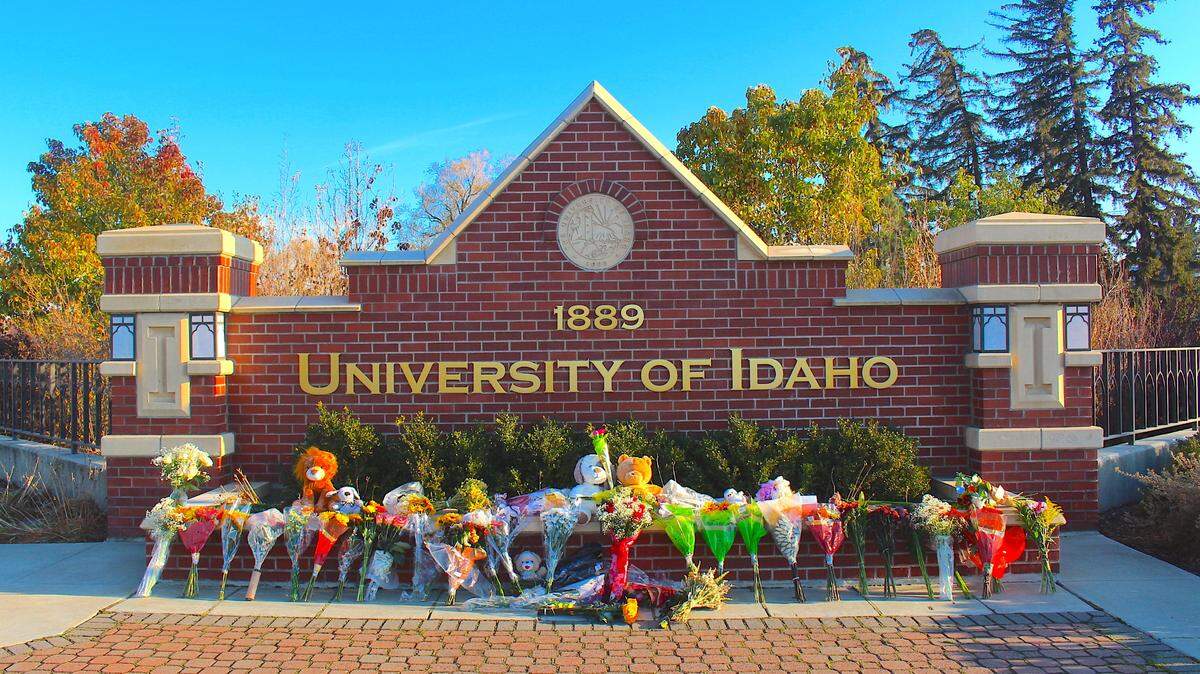
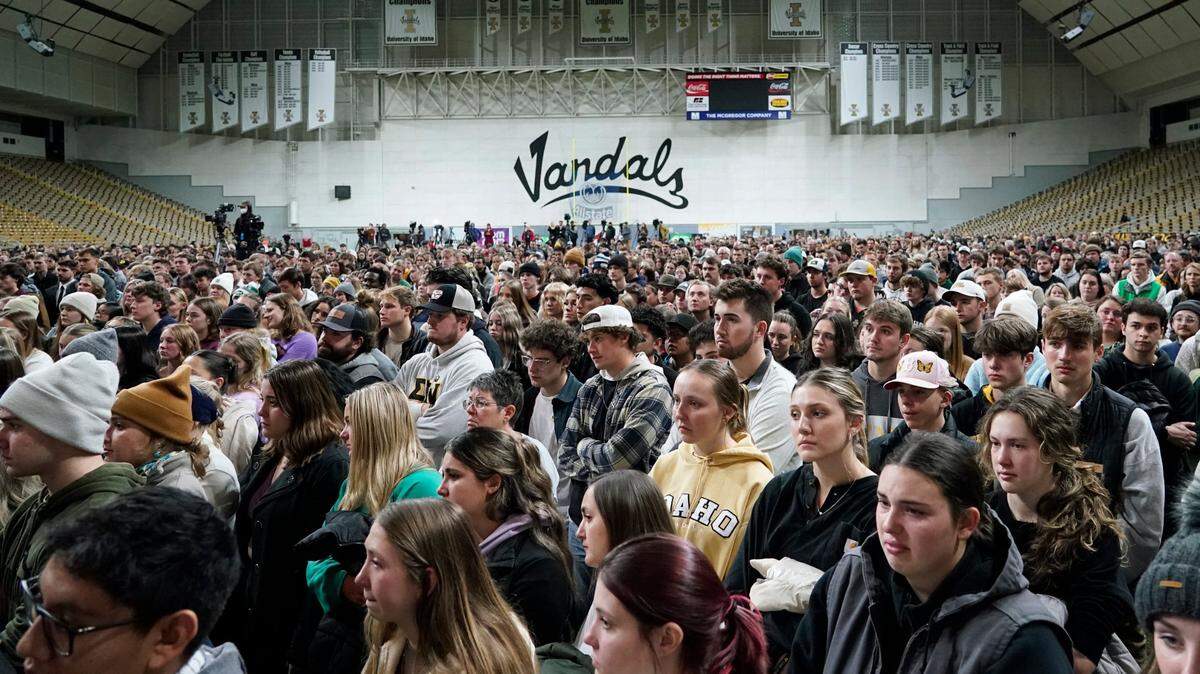
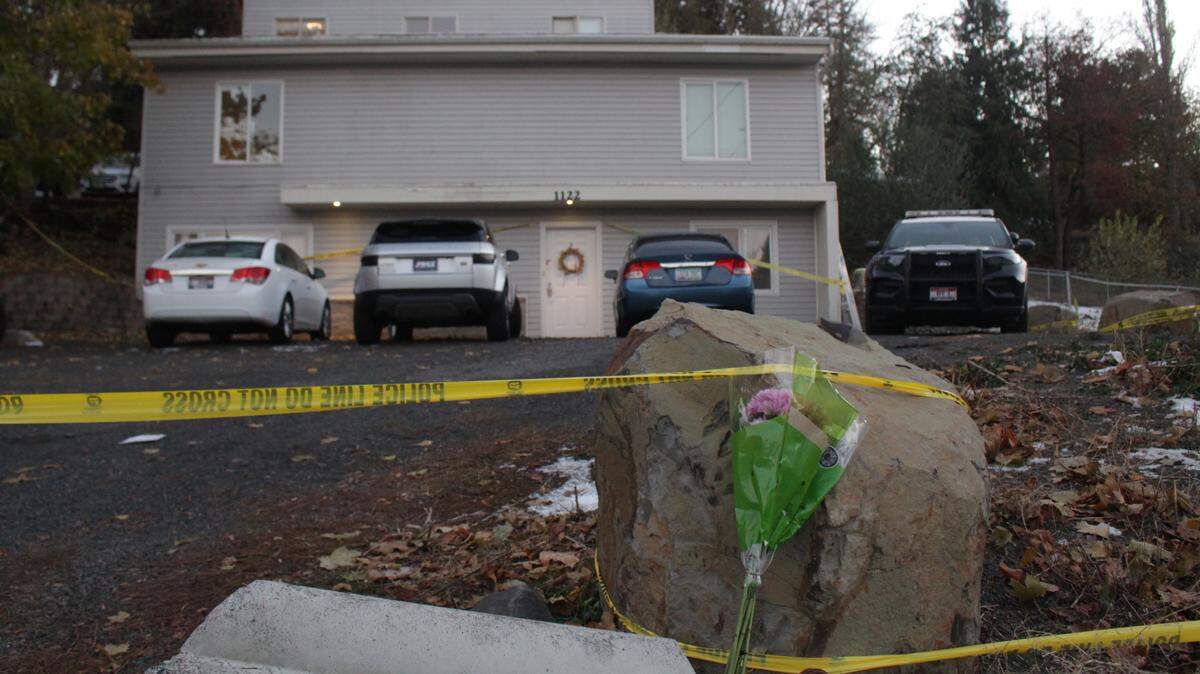
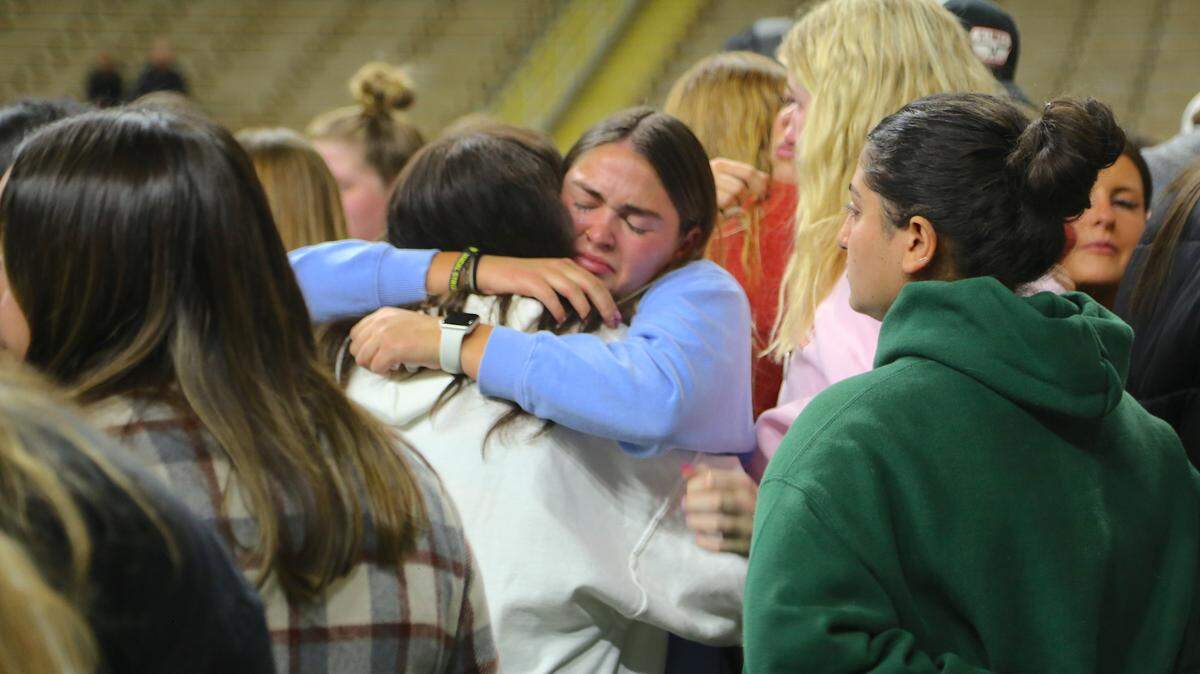
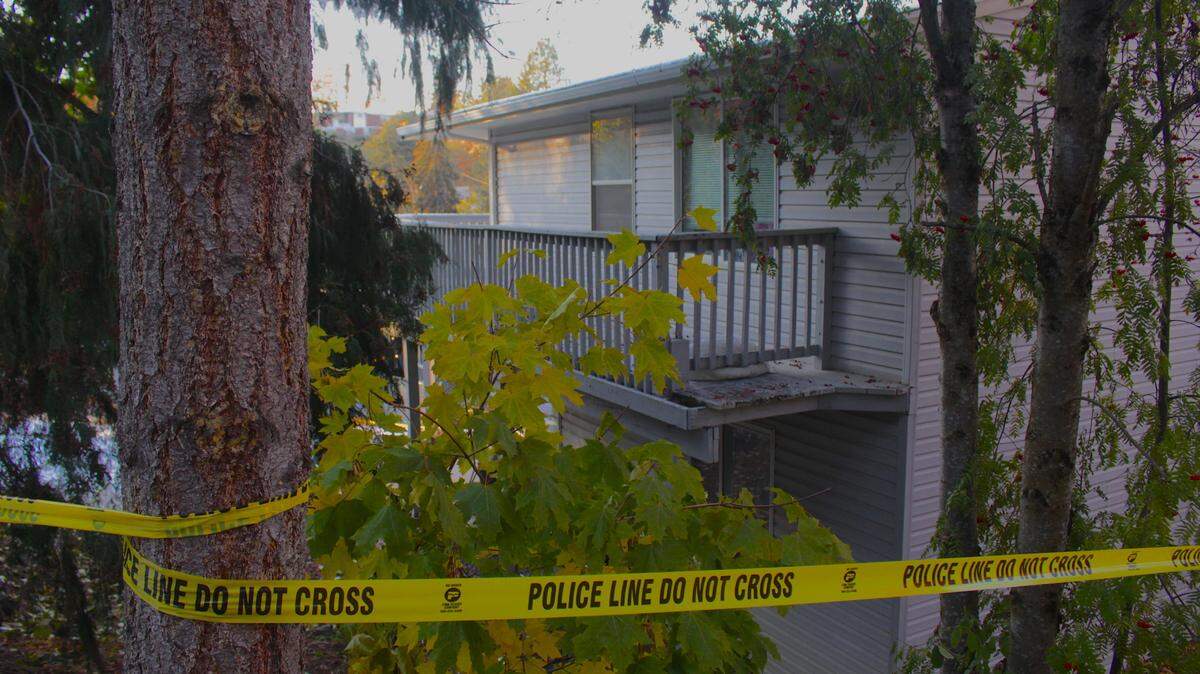
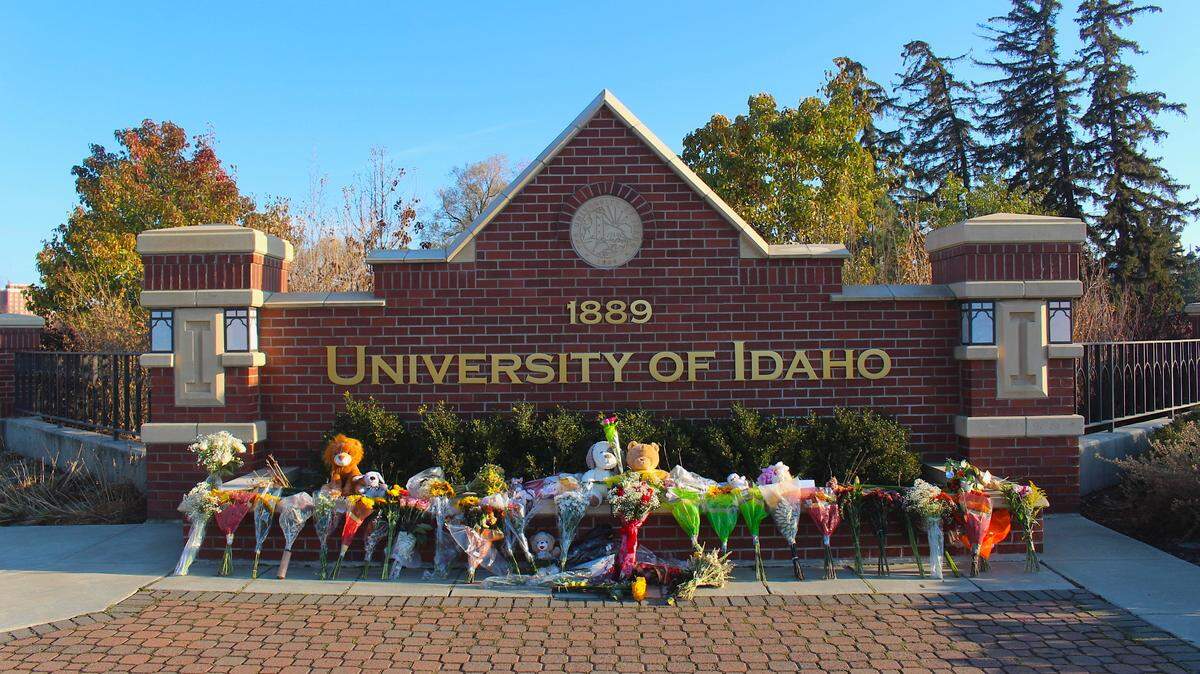
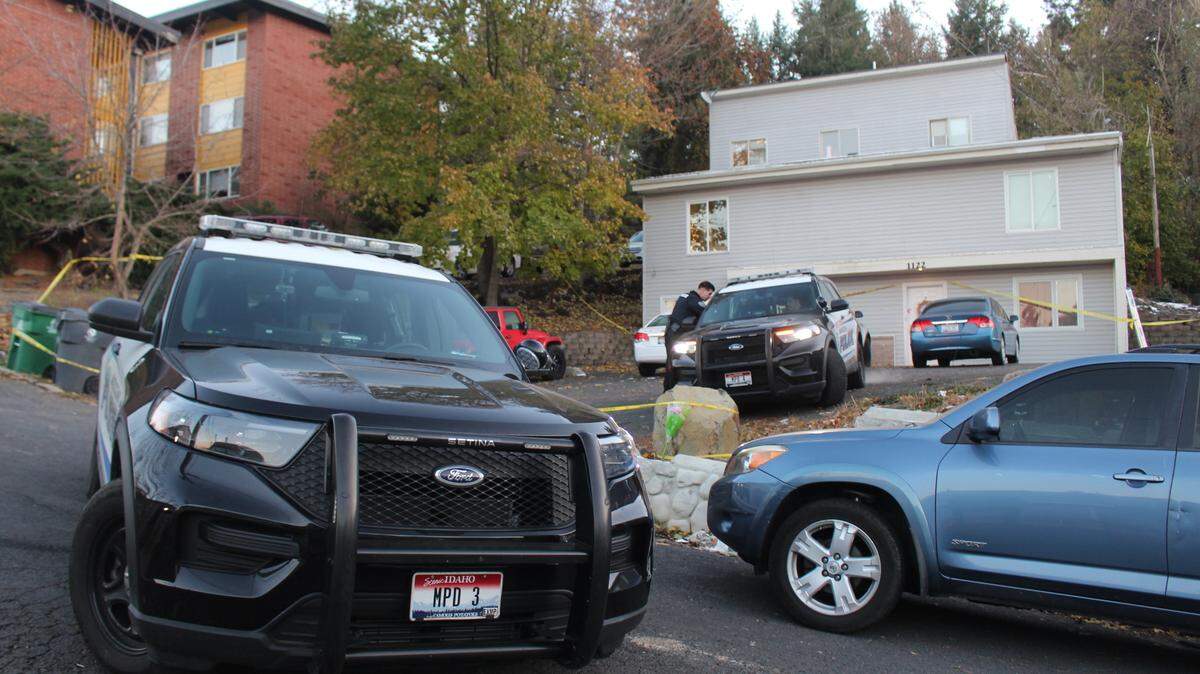
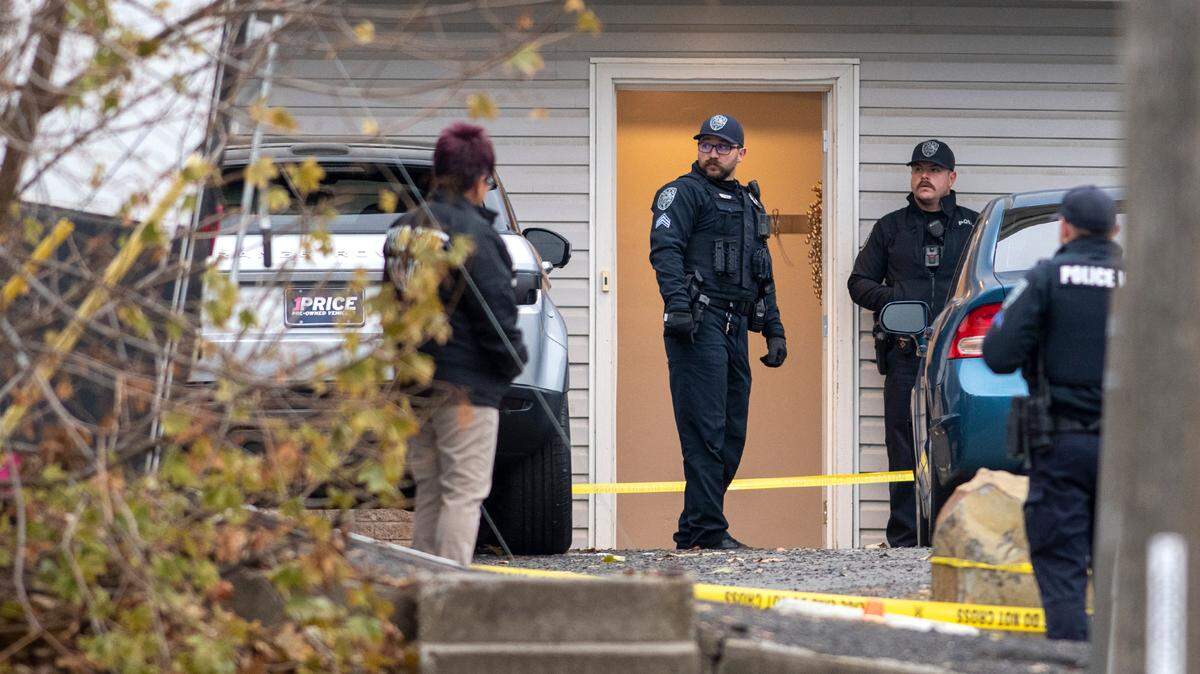
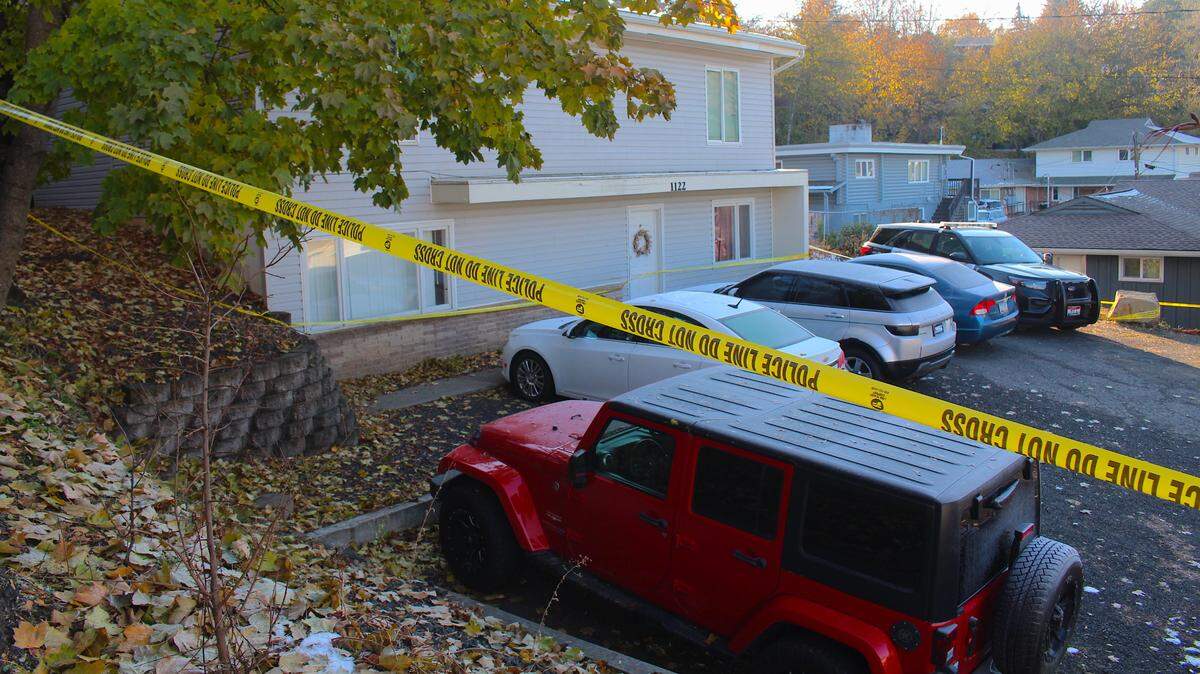
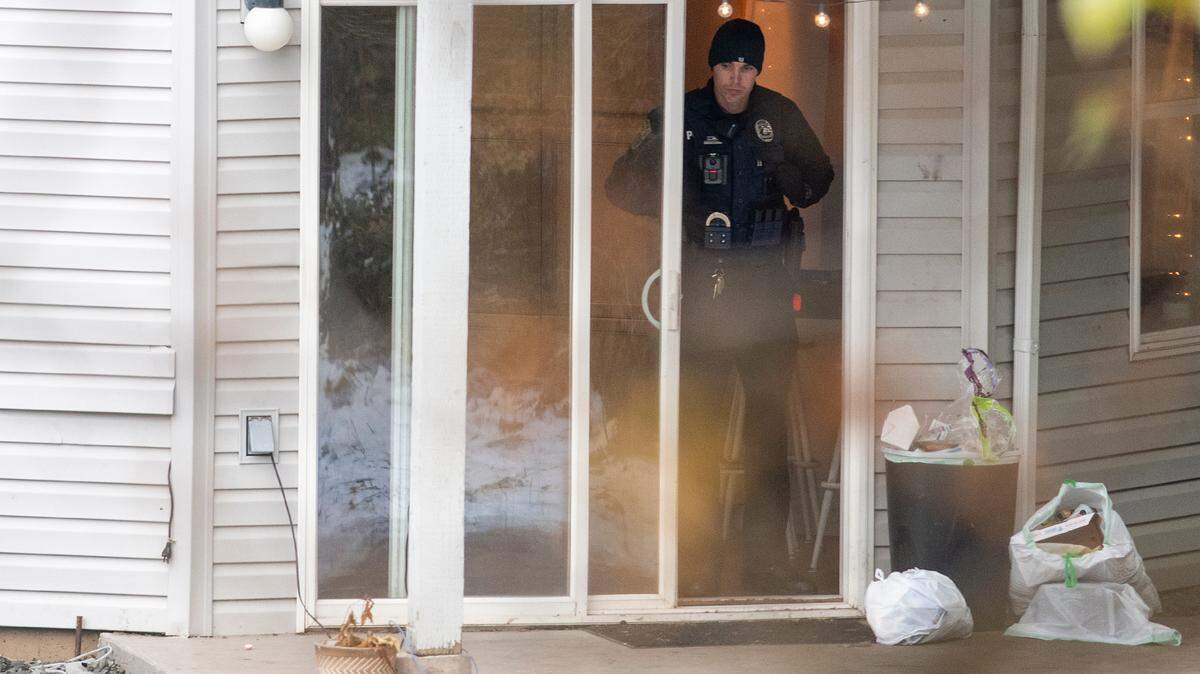
It has been more than two weeks since four University of Idaho students were found stabbed to death in their apartment off campus.
It was a brutal, horrific crime, one of the worst in Idaho history.
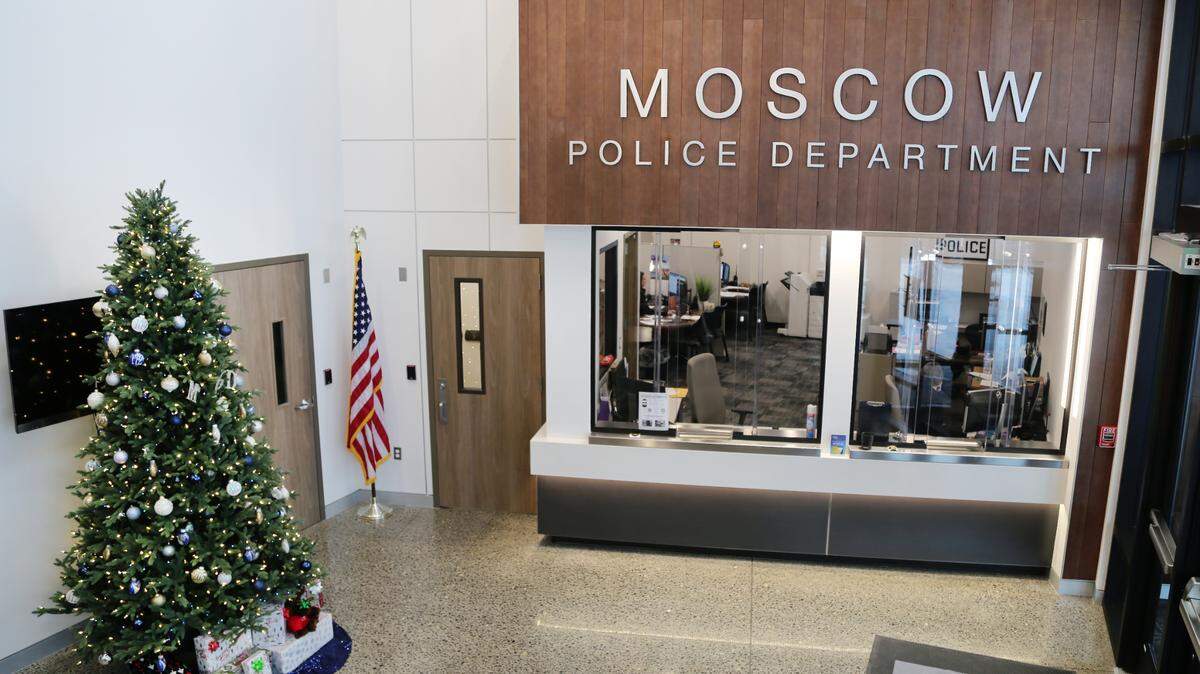
Few communities would be prepared for such a heinous crime to take place in their midst, let alone a small community with a small police department such as Moscow, Idaho.
Since the killings, it has become clear, understandably so, that Moscow was completely unprepared.
That has led to missteps in communication.
Those missteps should serve as a lesson for other small communities where, God forbid, a similar tragedy could strike.
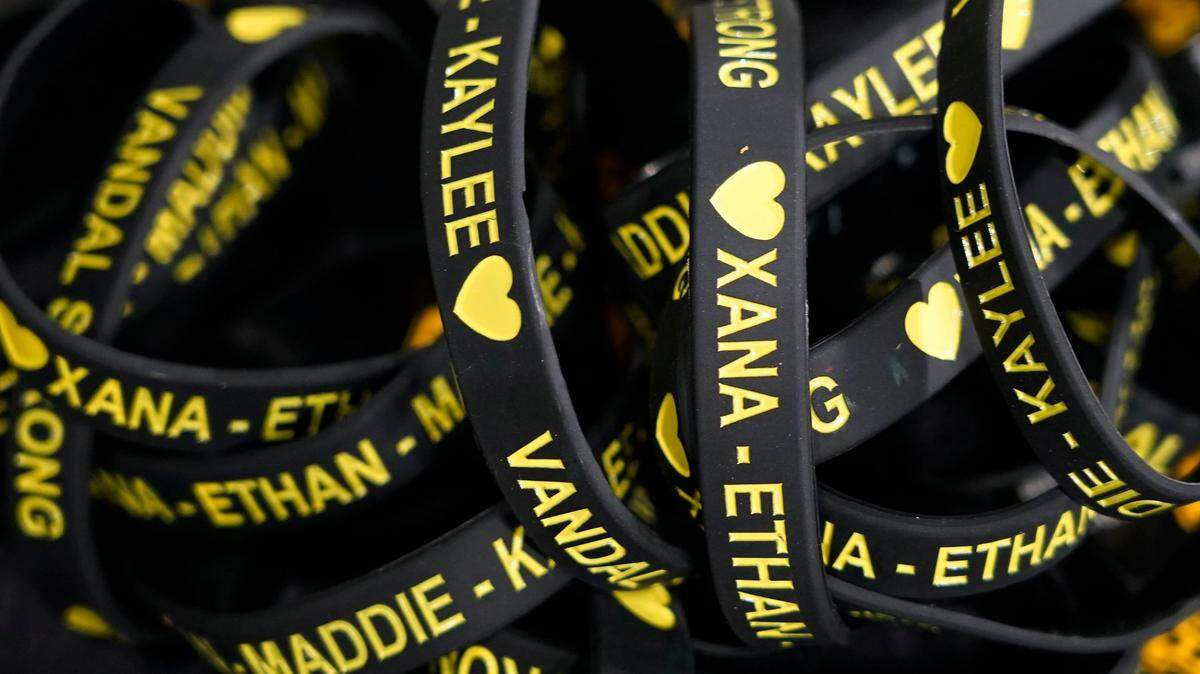
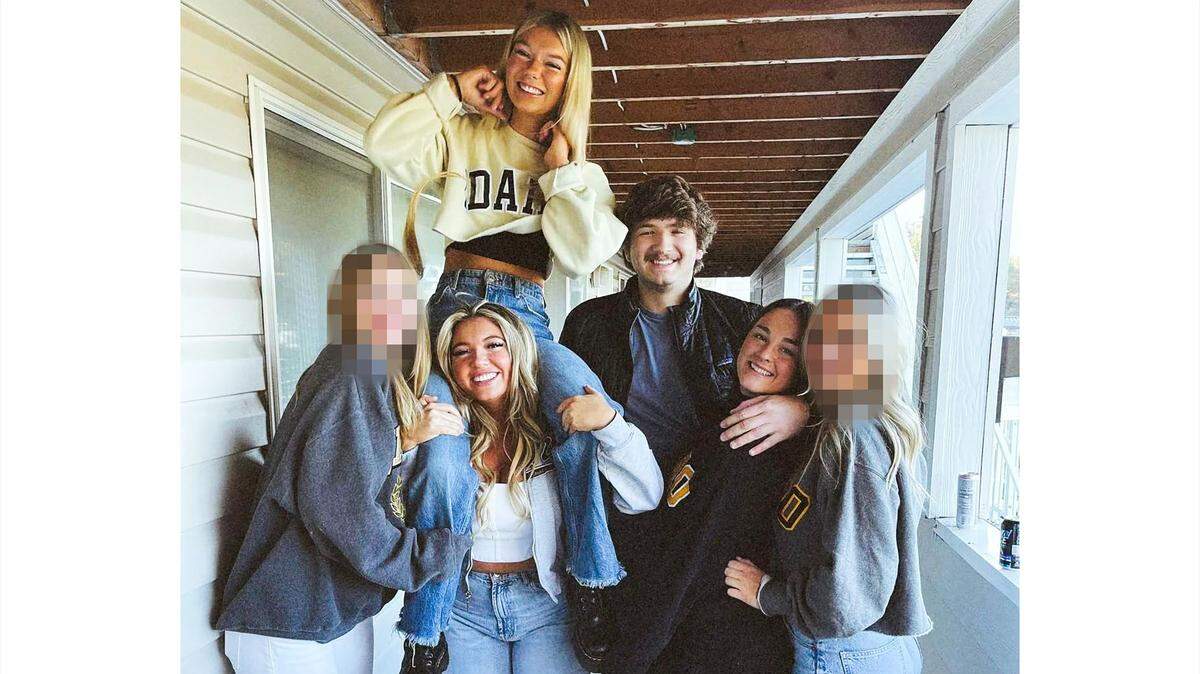
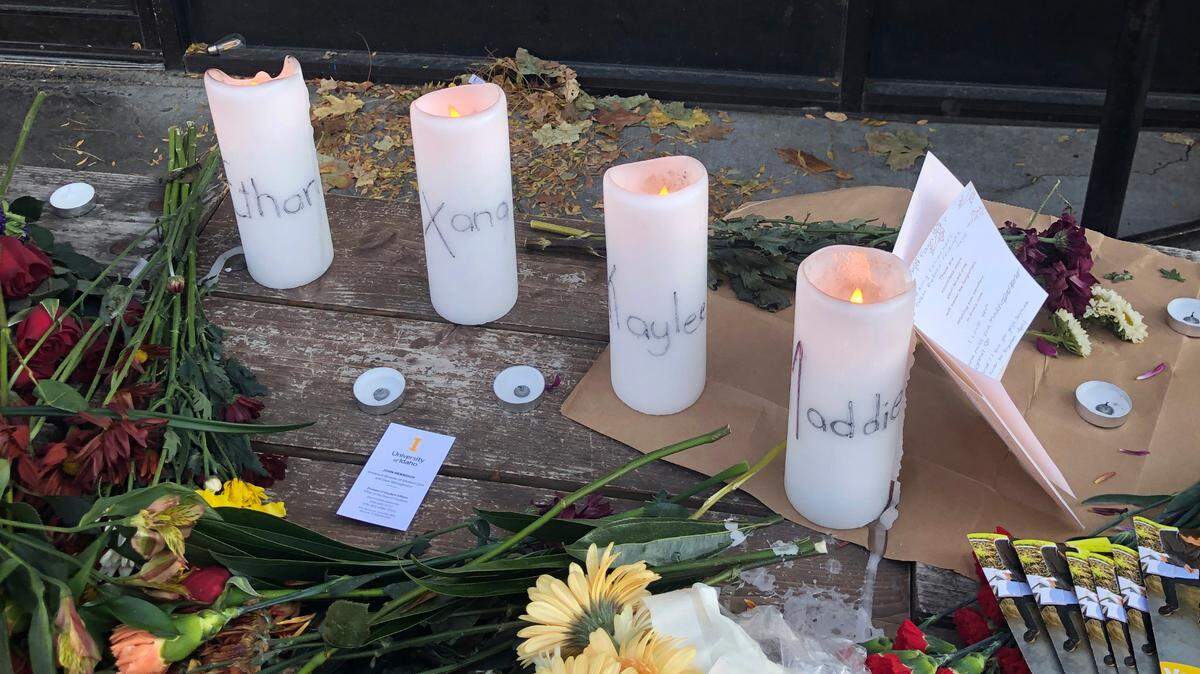
Details about the deaths of Ethan Chapin, 20; Xana Kernodle, 20; Kaylee Goncalves, 21; and Madison Mogen, 21, weren’t immediately released when the bodies were discovered on Sunday, Nov. 13, leading the public to wonder whether it was even a homicide. Wild speculation ensued.
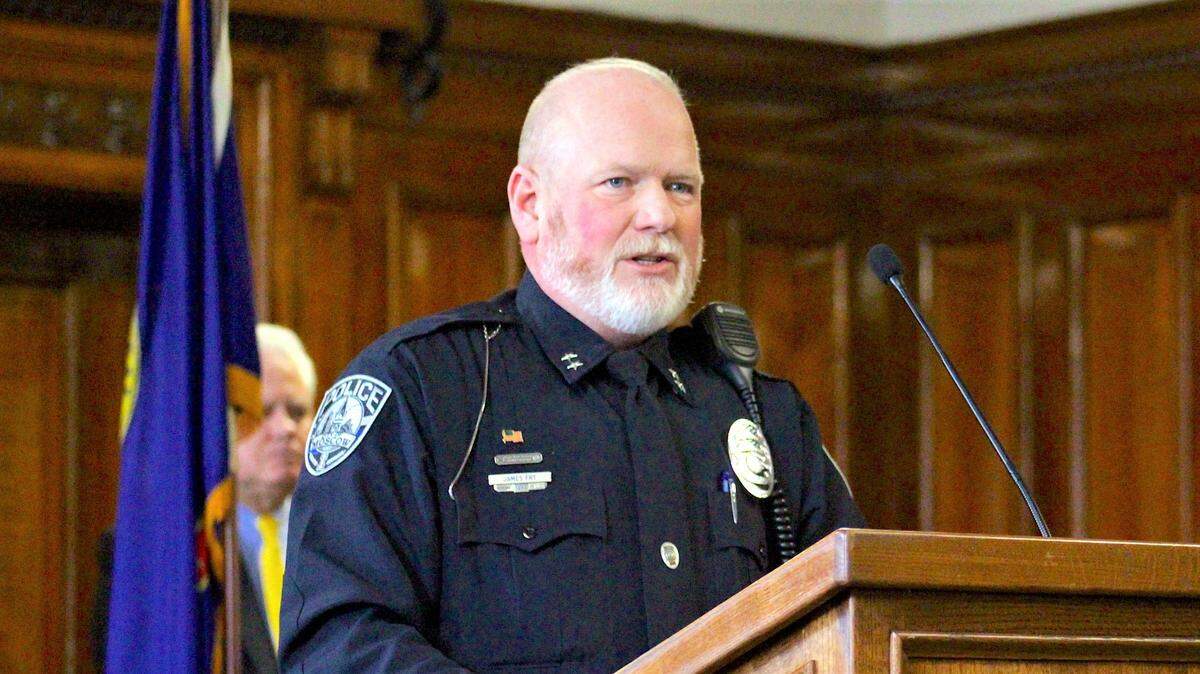
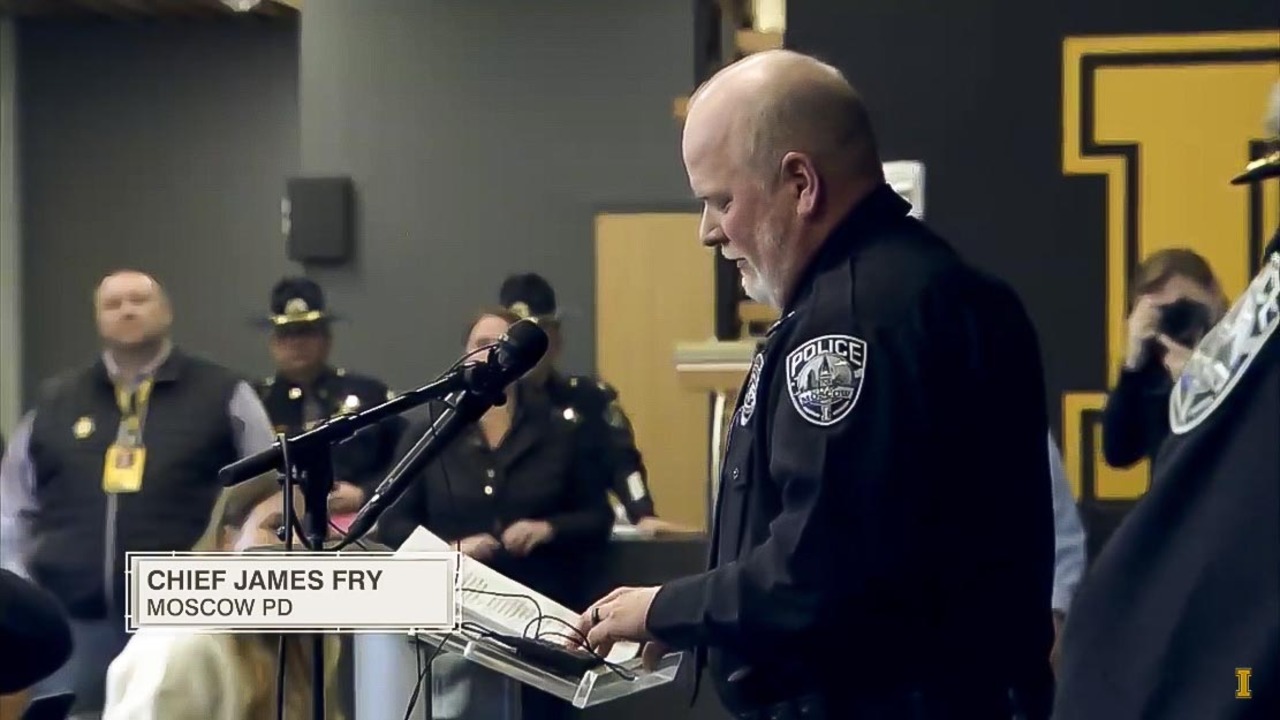
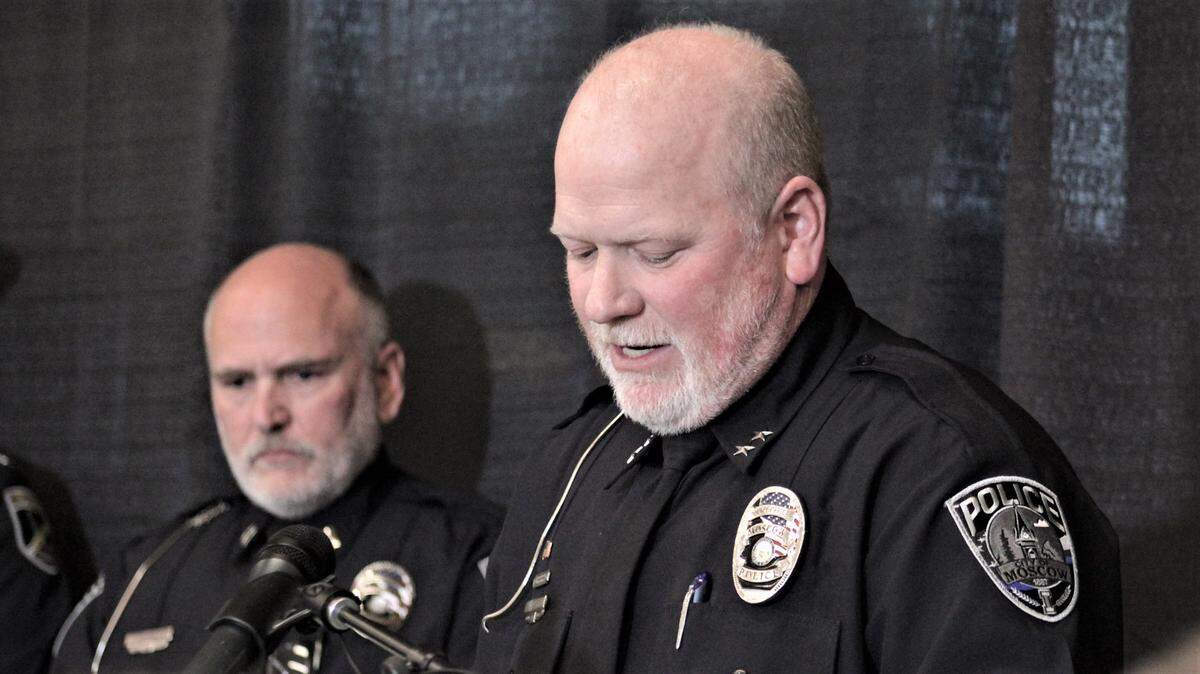
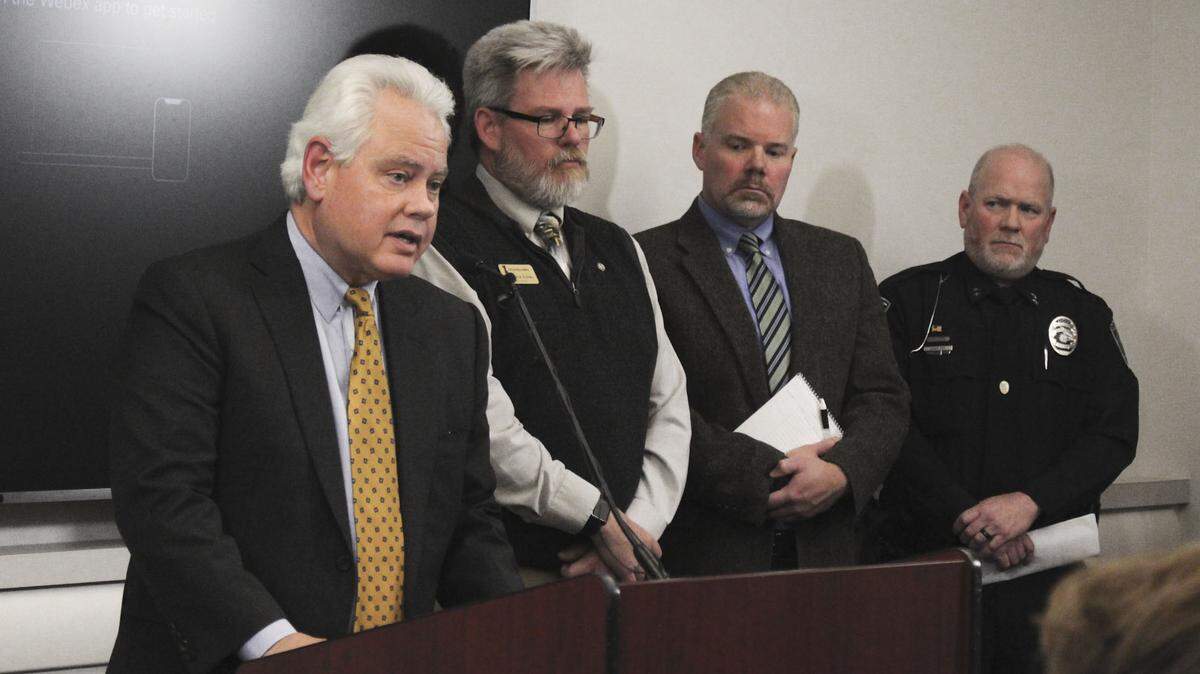
Police initially told the public that there was no threat to the community. That characterization was later reversed by the police chief in a press conference three days later — the first press conference held. Three days was way too long to keep the public in the dark and too long to keep the public believing there was no threat to public safety, with a quadruple killer still on the loose. They also undermined confidence that police understood the threats to public safety.
The information released at that press conference contained nothing that police couldn’t have released on Day One, that Sunday, when they realized what they had on their hands.
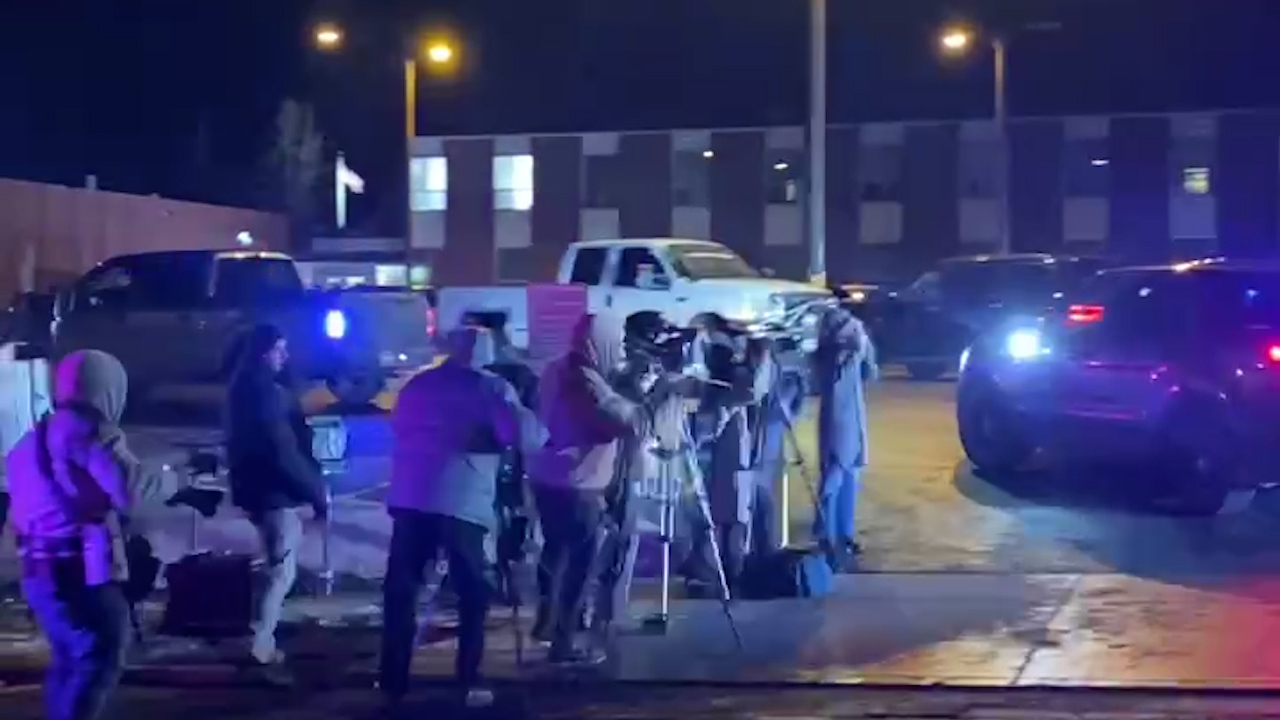
In the vacuum of information, the Moscow mayor told a New York Times reporter that it could have been a “crime of passion,” which officials had to later walk back. The Latah County coroner declined to provide details to a local reporter that she later that evening provided to a national TV news outlet.
The messaging from the beginning has been disjointed, uneven and slipshod, leading even some victims’ family members to speak out.
“The police need social media that is not Facebook, they police a college town in 2022 and need to communicate with college kids,” Mogen’s aunt, Katie Blackshear, wrote in a message to The Spokesman-Review. “The lack of information, statements from left field from the mayor and lack of outreach to the public to gain information for the case has made this even more painful for all of us to experience.”
Jim Chapin, the father of Ethan Chapin, issued a statement calling on police to release further information about the killings.
“There is a lack of information from the University of Idaho and the local police, which only fuels false rumors and innuendo in the press and social media,” he said. “The silence further compounds our family’s agony after our son’s murder. For Ethan and his three dear friends slain in Moscow, Idaho, and all of our families, I urge officials to speak the truth, share what they know, find the assailant, and protect the greater community.”
Unfortunately, the mixed messaging has continued, even two weeks after the killings.
On Tuesday, Latah County Prosecutor Bill Thompson told NewsNation that police can’t say whether the killer targeted one of the victims. On Wednesday, KTVB reporter Morgan Romero reported that Thompson told her one of the victims was a target of the killer. By Wednesday night, Moscow police issued a statement that the prosecutor’s statements were a result of a “miscommunication” of some sorts, and that detectives do not know whether the residence or any specific residents were targets.
The poor communication and the people speaking out of turn, especially in the early days of the investigation, is a pattern that troubles John Segale, a spokesperson for the family of Kristin Smart, who went missing on May 25, 1996, after being last seen at 2 a.m. walking home from a party just off the campus of California Polytechnic State University, or Cal-Poly, where she was a 19-year-old freshman. She hasn’t been seen since.
It was only this year, in October — 26 years after Smart’s disappearance — that her killer, Paul Flores, was found guilty of her murder.
Segale, who now lives in Boise, said he sees similarities between the Kristin Smart case and the Moscow case. Both are small college towns with small police departments overwhelmed by a high-profile investigation.
“In Kristin’s case, the initial mishandling by the Cal Poly campus police resulted in a 26-year wait for justice,” Segale told the Statesman in a phone interview. “We can only hope that it is just the public outreach that has been mishandled in Moscow.”
In Idaho, this should certainly be a warning for cities like Caldwell, Nampa and Pocatello — and even Boise — which are all home to colleges and universities.
There is a lesson here about admitting that you’re a small police department, and you might not be equipped to handle a major crime like this. Your immediate public is watching, the entire world is watching, and national and international media outlets, not just local reporters, are descending on your town searching for answers.
It’s vital, especially in the early days, to call for reinforcements, ensure Idaho State Police resources can be made available very quickly, sound the alarm early — and communicate clearly and consistently with the public.
No one wants another horrible situation like the University of Idaho killings. But if something like that does happen again in Idaho, we should be much better prepared than this.
This story was originally published December 1, 2022 at 4:00 AM with the headline "Poor communication in University of Idaho killings shows how not to handle crisis."