
Idaho’s child protective services system is in crisis. Lawmakers must fix it this year
A series of recent reports make clear that Idaho needs to thoroughly reform its child protective services system. It should be a top priority for the next legislative session.
The child protective services system is necessarily one of the most opaque bureaucracies in the state. It is necessary to protect the privacy of vulnerable children. But that lack of transparency has serious downsides.
When the system fails, those failures take place outside the public eye. That means things can reach a crisis level without many people outside the system knowing.
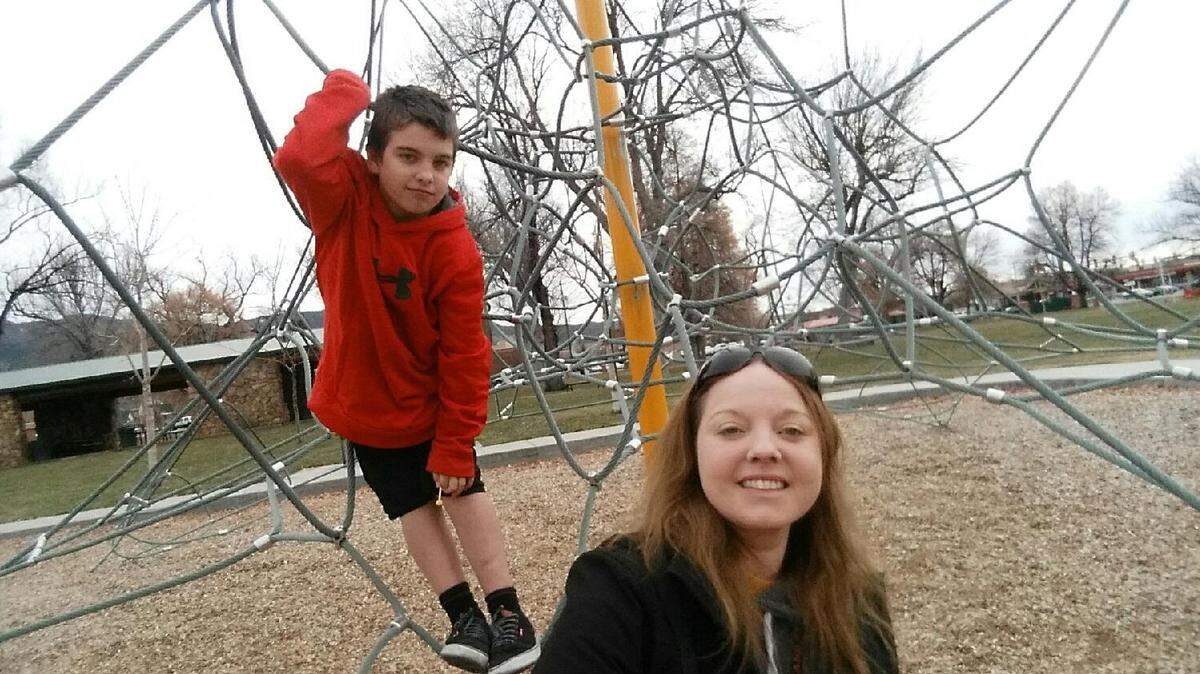
And when a family finds itself caught in the system, it can feel like they have no means of appeal, as reporter Nicole Blanchard recently documented in her story about 12-year-old Logan.
Logan was traveling through Idaho with his mother to Utah, where they planned to settle. He was taken into state custody after a welfare check on his mother led to a mental health hold. He remained in the foster system for several months, including being sent to a Utah facility where he was allegedly physically abused.
Idaho is one of only 11 states that do not have a designated mediator that families can turn to when they think the system has gone wrong. That leaves the only means of appeal for a family like Logan’s is directly to the department to change its decision, or attempting a court challenge, which could drag on for months or years, during which they are separated from their children.
An ombudsman could provide a neutral arbitrator to help ensure that cases like his are not repeated.
An ombudsman could also provide lawmakers with a neutral perspective on a department that is in the midst of a severe, systemic crisis, as recent reporting from Kelcie Moseley-Morris of the Idaho Capital Sun makes clear.
Her recent series detailed a linked set of crises in the child protective services system: severe understaffing and a growing shortage of foster placement capacity. As she noted, these problems have led to 44 kids being housed in hotels or short-term rentals this year.
Idaho’s child protective services system is also significantly underfunded and understaffed. The average caseworker is carrying roughly twice as many cases as they should, and caseworkers are burning out and leaving.
The problem has been escalating for years. Back in 2017, citizen review panels said child protective services was understaffed by between 57 and 77 caseworkers. The staff has grown by only nine since then, partly because not enough positions have been asked for, and partly because of caseworkers quitting. Vacancy rates for social workers are between 40% and 50%, and in 2021 the turnover rate for midlevel social workers was 36%.
These are all signs of a system that is grossly, tragically underfunded. These are signs of a state that does not put adequate value on children at serious risk.
This can lead to the removal of children in cases where a family could be reunified, or the return of children to families where they are in danger of abuse or neglect. Any time either one of these things happens, lives are irreparably damaged. As Moseley-Morris noted, there was one case where it took 44 reports that a child was in danger before action was taken.
When the legislative session convenes next month, lawmakers should draft legislation to mandate the hiring of an ombudsman, and they should make a large increase in appropriations — well above what the agency requests — for social worker staffing. We have a large surplus, and this is a small agency. There’s plenty of money; the only question is whether there is the will to fix the problem.
Children at risk can’t be responsible for themselves — because they’re kids. And some kids are born with parents who can’t or won’t take care of them, so we can’t expect those parents to be responsible for them.
In situations like that, we’re responsible for these kids. We need to start taking that responsibility seriously.
BEHIND THE STORY
MOREWhat is an editorial?
Statesman editorials are the consensus opinion of the Idaho Statesman’s editorial board. The editorial board is composed of journalists from the Idaho Statesman and community members. Members of the editorial board are Statesman editor Chadd Cripe, opinion editor Scott McIntosh, opinion writer Bryan Clark, assistant editor Jim Keyser and community members John Hess, Debbie McCormick and Julie Yamamoto.
How does the editorial board operate?
The editorial board meets weekly and sometimes invites subjects to board meetings to interview them personally to gain a better understanding of the topic. Board members also communicate throughout the week via email to discuss issues and provide input on editorials on topics as they are happening in real time. Editorials are intended to be part of an ongoing civil discussion with the ultimate goal of providing solutions to community problems.
Why are editorials unsigned?
Editorials reflect the collective views of the Statesman’s editorial board — not just the opinion of one writer. An editorial is a collective opinion based on a group discussion among board members. While the editorial is written by one person, typically the opinion editor, it represents the opinions and viewpoints expressed by members of the editorial board after discussion and research on the topic.
Want your say?
Readers are encouraged to express their thoughts by submitting a letter to the editor. Click on “Submit a letter or opinion” at idahostatesman.com/opinion.
Want more opinions each week?
Subscribe to The Idaho Way weekly email newsletter, a collection of editorials, columns, guest opinions and letters to the editor from the Opinion section of the Idaho Statesman each week. You can sign up for The Idaho Way here.