
Want to switch parties to vote in Idaho’s presidential primary? Better do it fast
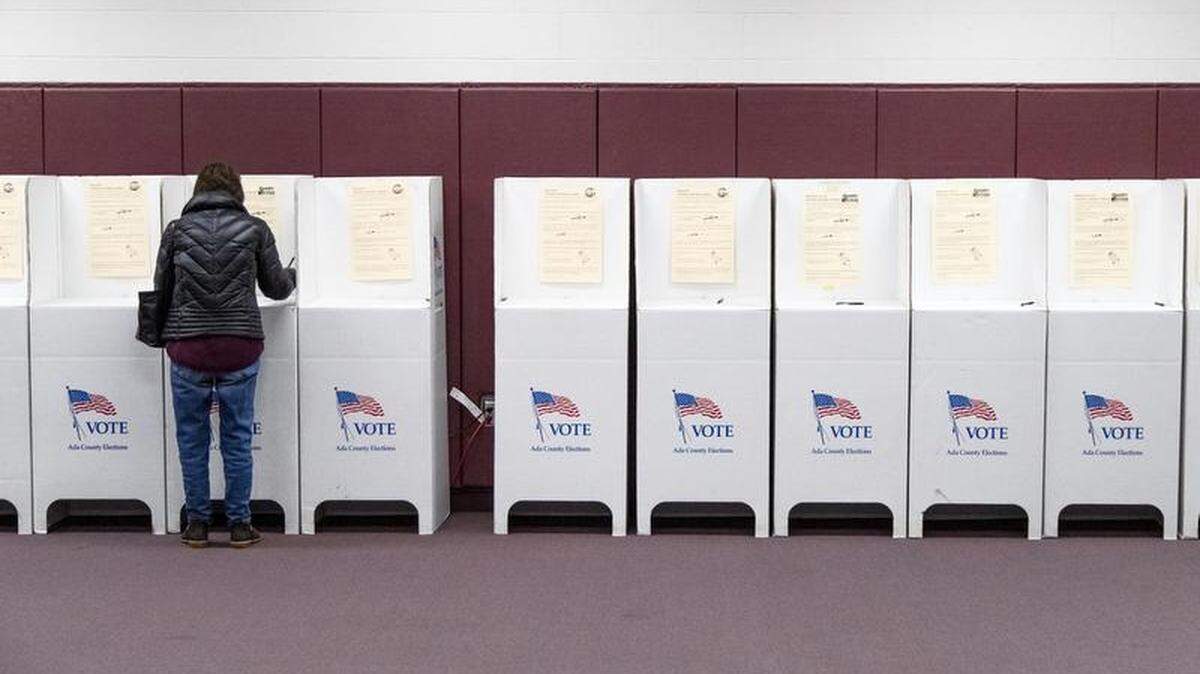
If you are thinking of switching parties so you can vote against Donald Trump in the Idaho Republican presidential primary, your window is probably about to close. Once the law passes, it’s going to be too late to switch parties.
New legislation would require Idaho voters who want to participate in a presidential primary to affiliate with that party at least 90 days before the primary.
The bill was introduced this month, passed the State Affairs Committee on Monday and was sent to the full House. If passed, it would take effect immediately if signed into law by Republican Gov. Brad Little in roughly two weeks.
Secretary of State’s Office chief deputy Chad Houck told the Statesman in a phone interview that anyone who changes parties now, before the law goes into effect, would still be able to vote in that primary. In other words, the law would not be retroactive this year, he said.
Because of that, we give our tepid endorsement to the bill, because it wouldn’t disenfranchise any voters who are aware of the change this year.
Idaho’s Republican Party requires that voters register as a Republican in order to vote in the primary.
Houck said voters currently registered with another party who want to vote in the Republican primary need to switch parties before the GOP-led bill passes. Starting next year, they would need to switch parties by the 90-day deadline.
Similarly, a Republican seeking to vote in the Democratic presidential primary would need to switch parties before the law passes. The Democratic Party allows only registered Democrats and unaffiliated voters to vote in its primary.
We support in principle political parties’ right to set their own rules — including the ability to limit who gets to vote in their primaries.
A primary is a selection of candidates by its party members. A political party has its own set of beliefs and formal policy positions in a platform. If you’re not on board with that party platform, why would you expect to be allowed to determine the party’s candidate? No matter your party (or lack thereof), you can vote for whomever you like in the general election in November.
“People join a party because they believe in some of the principles and ideals and platform of that particular party,” said state Rep. Doug Ricks, R-Rexburg, who brought the legislation, according to The Associated Press. This is “about ideals and following those with a particular party.”
Republicans are concerned that some voters might affiliate with their party to throw a primary vote to a less popular candidate more likely to lose in the general election, such as voting for Bill Weld over Donald Trump.
“Back when the Republicans chose to close their primary, they thought there was mischief being done,” Idaho Secretary of State Lawerence Denney, a Republican, told The Associated Press.
We do have one main concern about the deadline itself. The deadline to affiliate with a party matches the last day for a candidate to file for office. We recognize this has been the standard practice for the regular primary in May, but setting the deadline for the last day a candidate can file does not give voters an ample opportunity to decide whether they want to vote in that primary. Essentially, if someone files at 4:59 p.m. on the last Friday of the filing period, there would be no way for a voter to switch.
If anything, we’d like to see the deadline set so that it gives voters more time to affiliate with a party once the slate of candidates has been set. More reasonable would be a 30-day deadline for not only the presidential primary, but also the May primary.
One piece of solace is that unaffiliated voters, even under the new deadline law, would still be able to affiliate with the Republican Party right up to and on primary day, according to Houck.
“The current, standing unaffiliated voter will not be affected at all,” Houck said.
Because of that, this legislation seems to be a reasonable ask of voters.