The sun is shining in Boise, but for how long? Here’s how much sunlight we’re losing daily
Late June is the best couple of weeks of the year for sun-lovers, as it’s the period in which Boise — and the rest of the northern hemisphere — sees its maximum amount of sunlight.
Every summer, the summer solstice occurs in late June, when the sun hits its highest point in the sky, and we have the most daylight hours in a single day. This year’s solstice fell on June 20, when Boise enjoyed 15 hours and 28 minutes of daylight.
The summer solstice marks the official beginning of summer on the astronomical calendar, which bases seasons on the summer and winter solstices and spring and fall equinoxes. This calendar differs from the meteorological calendar, which views the start of summer as June 1 for easier record-keeping purposes.
But after the solstice, things start to look a bit darker again. In the Northern Hemisphere, which includes the whole United States, each day after the summer solstice slowly sees less and less sunlight until it bottoms out during the winter solstice in December.
Why does the solstice occur?
Solstices happen because of the Earth’s axial tilt. According to NASA, it is believed that many millions of years ago, Earth was hit by something large, causing it to rotate on an off-kilter axis. Today, the obliquity of the axis — how far off center the axis lies — is 23.4 degrees, but it is gradually decreasing over time.
In other words, the tilt is what causes the seasons.
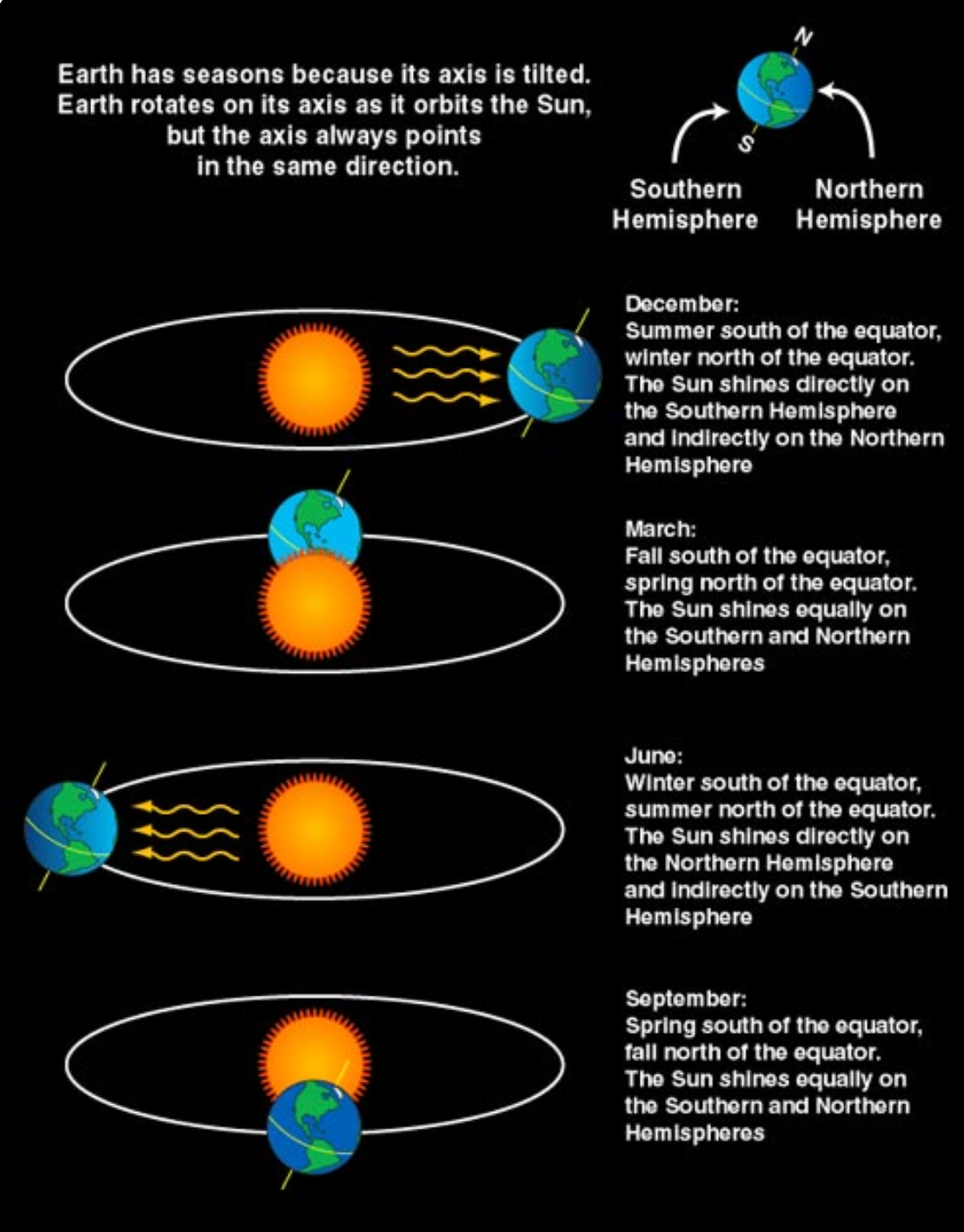
The Northern Hemisphere is tilted toward the sun during the summer solstice, resulting in longer days and shorter nights.
How much daylight is Boise enjoying per day?
The sun rose on the summer solstice on June 20 at 6:03 a.m. and set at 9:29 p.m. for 15 hours, 28 minutes and 18 seconds of sunlight.
Now that we are several days past the summer solstice, it’s slowly getting darker every day until the winter solstice in December. That’s the shortest day of the year in terms of daylight.
On the bright side — literally — it’s not getting dark very quickly. The amount of sunlight Boise receives each day after won’t be drastically less — the Earth’s axial tilt points the northern hemisphere toward the sun at its most dramatic point around the solstice, resulting in the slightest changes in daylight.
Between the summer solstice and the end of June 26, we’ve lost just 71 seconds of sunlight.
But what about as we move further from the solstice?
By the end of the month, Boise will still receive 15 hours and 22 minutes of sunlight. It’ll take until July 6 until Boise loses a full minute of daylight within a single-day span, and the next time the sun will set before 8 p.m. is on Sept. 12, when it sets at 7:59 p.m.
This story was originally published June 26, 2024 at 11:48 AM.