Idaho’s ‘Avalanche Alley’ is one of the most dangerous highways in the US. Here’s why
About a 60-mile drive north of Boise, into the heart of the Boise Mountains, lies a stretch of highway that can be considered among America’s most dangerous during the winter months.
An 11-mile stretch of Idaho’s State Highway 21 is nestled in the Sawtooth National Forest, hugging Canyon Creek between near-vertical mountain faces that climb nearly 3,000 feet above the highway below.
The infamous stretch of highway between Grandjean and Banner Summit is more commonly known as “Avalanche Alley.” It’s one of just three highways in the United States that is in the high-risk category in the Avalanche Hazard Index, which calculates the danger that potential avalanches present to traffic.
“Most people don’t really realize what’s above them when they’re driving that highway,” said Hans-Peter Marshall, an associate professor with Boise State’s Department of Geoscience, in an interview with the Idaho Statesman.
“The (avalanche) starting zones are out of view just because the terrain for a lot of the stretches is steep right off the highway,” Marshall continued. “You can definitely tell you’re in avalanche country, but you don’t even really see the magnitude of it from the road just because of perspective.”
Just one month into 2024, Avalanche Alley has already trapped two snowmobilers and two vehicles on the highway following an avalanche on Jan. 11, but all involved were rescued.
But what makes Idaho’s Avalanche Alley so volatile, and how do the Idaho Transportation Department and other involved agencies work to keep it safe?
What makes Avalanche Alley so dangerous?
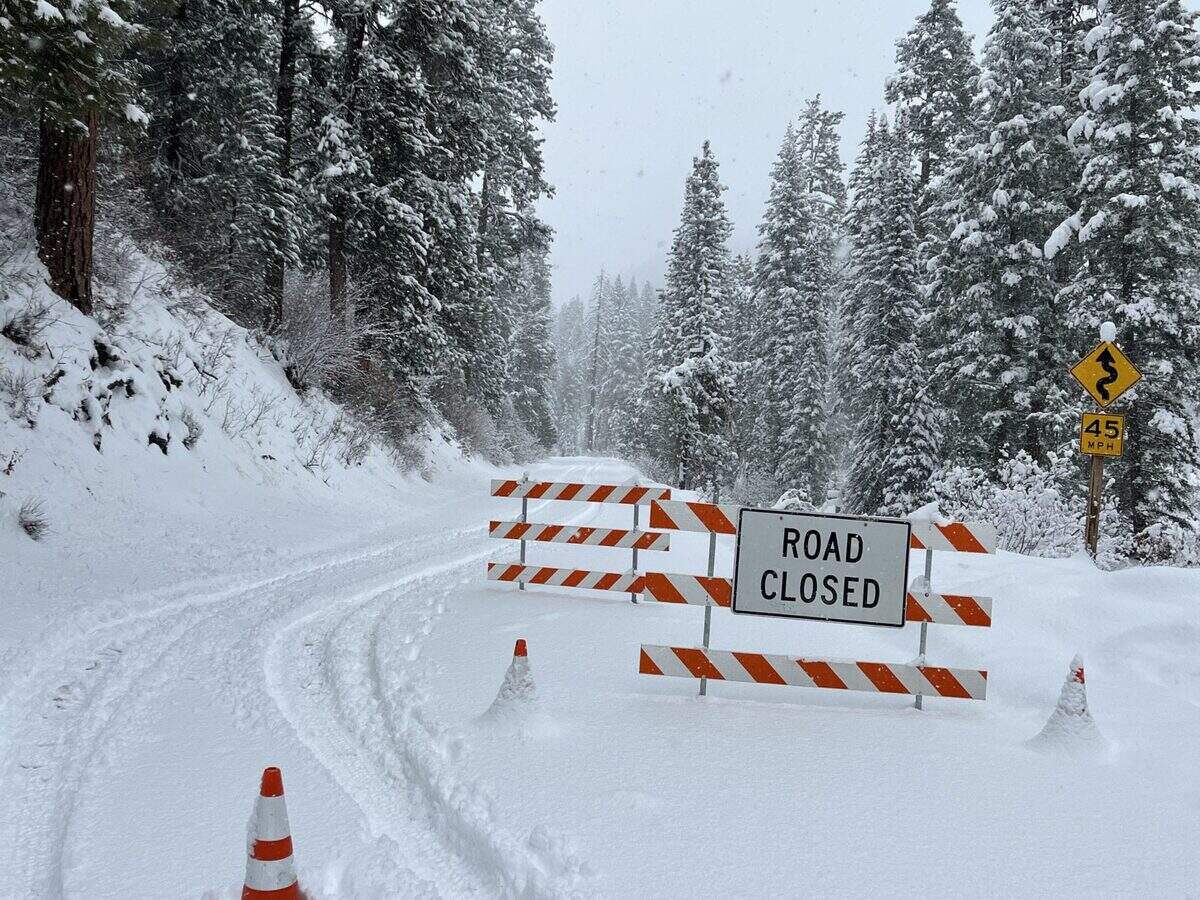
Every year around January, the alerts and warnings start flooding in because State Highway 21 is closed between Grandjean and Banner Summit due to avalanche risk. This year’s first warning came on Jan. 11, followed by further closures on Jan. 12 and Jan. 17.
According to Michael Garz, the operations engineer who oversees the ITD Lowman avalanche team, avalanche season in Idaho starts in mid-December and lasts until around April.
That means that although the sun may be up and temperatures rising in April, the danger is far from subsided. This year is looking to be particularly tough, Garz said, because of the El Niño conditions, which have introduced a precarious scenario.
“One of the big things we’ve run into is we got some snow initially and then a long dry spell, which tended to weaken the snowpack,” Garz said. “And now we’re dumping a bunch of snow on top of it and adding stresses to it. And so it’s a challenging snowpack right now.”
There are two main types of avalanches, Marshall told the Statesman: slough and slab avalanches.
Slough avalanches typically come after a big snowfall event and are more challenging to forecast, Marshall said. But slab avalanches are much larger and more dangerous, and the El Niño conditions will likely cause slab avalanches through Avalanche Alley in the coming months.
“Slab avalanches are like an entire snow layer, so the snowpack builds up like a layer cake,” Marshall said. “Each individual storm or snowfall event ends up being a different layer because the storms fall with different densities, different grain sizes and shapes.”
A slab avalanche occurs when one of those layers experiences a “failure,” resulting from melting in the sun or a snowmobile unsettling the layers below. These types of avalanches can occur across a large area along a slope, resulting in large burial depths at the bottom of a valley or creek bed.
Because there’s very little runoff on State Highway 21 from the mountain’s edge, the snow piles up along the roadway, giving drivers little room for maneuvering or escaping.
“Usually, there is a run-out length at the bottom of the slope that the snow can rest or stop on,” Garz said. “Unfortunately, on 21, the highway is the run-out length. So, usually, if we have a slide on the slope, it’s coming to the road.”
How does the avalanche team forecast avalanches?
There are approximately 70 avalanche paths in Avalanche Valley, according to Lowman avalanche team leader Bill Nicholson.
When trying to forecast avalanches, Marshall said that particular attention is given to slopes that are steeper than 28 degrees. Unfortunately, that is most of State Highway 21’s western edge — the edge closer to the highway.
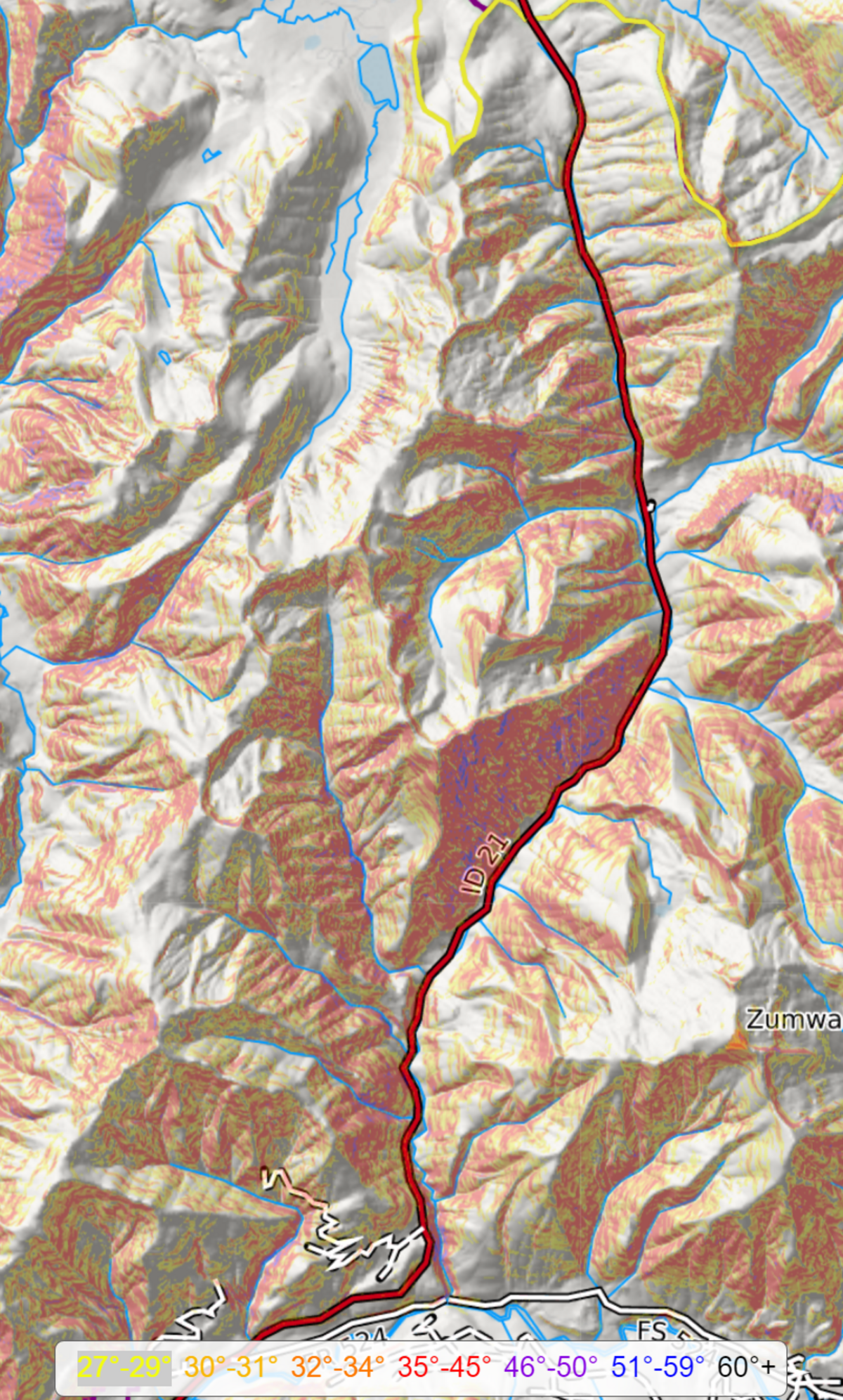
The Lowman avalanche team — consisting of three people and will soon grow to four — begins tracking potential avalanche paths around October, Garz said.
They’ll dig snow pits and determine the strength of the snowpack, as well as any potential stressors such as burn scars from wildfires, which can make the ground beneath unstable and south-facing mountains that often receive more sunlight and heat.
Once forecasters determine a potentially unstable path, they’ll use explosives — and something aptly dubbed the “Avalauncher” — to check for points of instability.
The Avalauncher will send an explosive 1,000 feet up the slow and explode using a mix of hydrogen and oxygen to test for areas of instability. Locations too far up the mountain sometimes require a helicopter to drop the explosive downward.
“It’s a nitrogen cannon; it uses a nitrogen charge. And so it charges, and then when it’s fired, it just flings the charge up the hill,” Garz said. “That’s when it will ignite the charge, and that’ll go up, and ideally, it’s supposed to land and then explode. But there are rare occasions that they might explode in the air.”
The explosion isn’t meant to trigger an avalanche but to let the avalanche team know what spots to look out for and if the highway needs to be closed.
What to do if you’re stuck in an avalanche
While the avalanche forecast team does its best to close the highway when necessary, surprise avalanches can still occur. These surprise avalanches are most likely slough avalanches, a heavy snowfall event followed by warmer temperatures.
If you get caught in an avalanche driving through Avalanche Alley, the best thing you can do is not leave your car. Garz recommended packing a standard survival pack, such as a shovel, change of clothes, warm blankets, water and some food.
Your best bet is then to call 911 for help. If you’re afraid of not having service, you can bring a Garmin satellite phone, which will provide a much stronger service. Garz told the Statesman the people trapped in cars in Avalanche Alley earlier this month could get a signal and reach out for help with their cell phones.
Once you reach out for help, you won’t have to wait long.
“Our avalanche crew is about 20 miles away from the canyon,” Garz said. “So you know, if they’re in and around the (snow) shed, they’ll probably be 30 minutes away. Of course, we’ve got to start equipment, so I would say 30 minutes to an hour before we’re clearing an avalanche.”