Trapped in winter: Here’s how much snow fell in Boise last weekend, what lies ahead
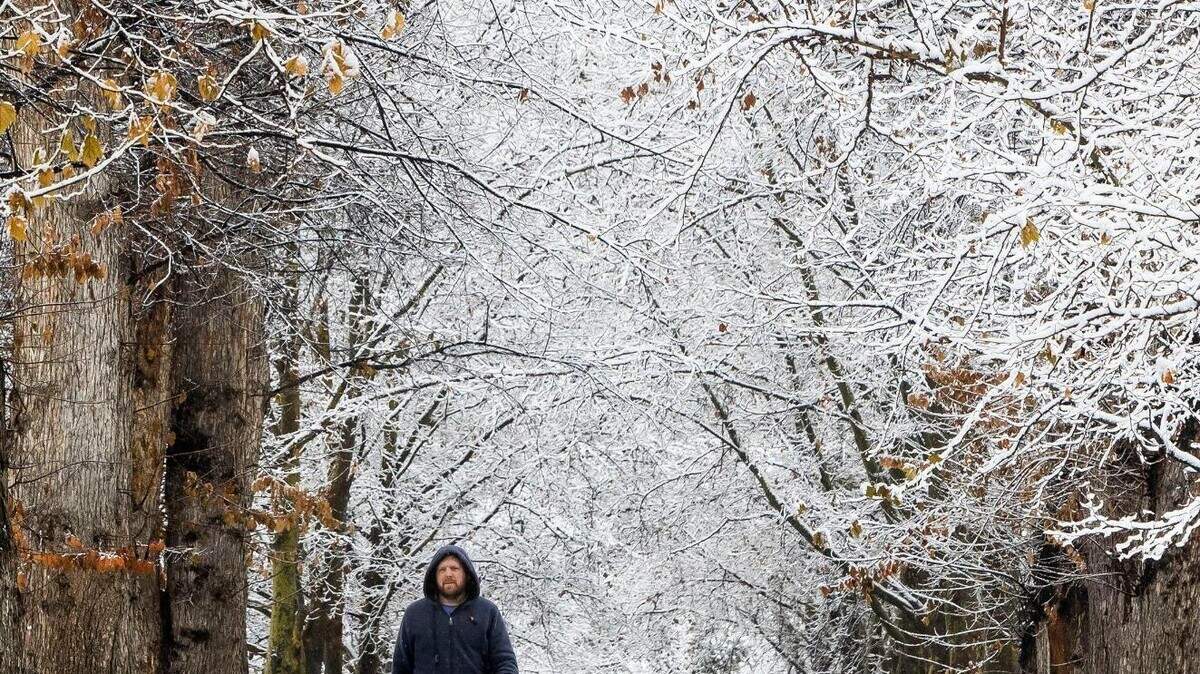
The calendar is slowly moving toward spring, but Boise is trapped in its March winter, as snowstorm after snowstorm moves through the region.
It was no different last weekend, when 1.6 inches of snow fell in the City of Trees, bringing the winter total up to 23.8 inches, National Weather Service meteorologist Dave Groenert told the Idaho Statesman.
The average seasonal snowfall in Boise since 1950 is 20.1 inches.
Boise has received 5 inches of this winter’s total, plus additional trace amounts of snow, since Feb. 22.
“Typically, La Niña, as it kicks in kind of late winter and into spring, generally brings that cooler and wetter pattern,” Groenert said.
The effect of a La Niña depends on the region. According to NOAA, a typical weather pattern during a La Niña is cool and wetter than average in the Pacific Northwest, and warmer and drier than average in the South.
While Boise has experienced a continuous train of small snowstorms, higher elevations of the Gem State have enjoyed a very snowy winter. Bogus Basin has reported 218 inches of snow this season, with 13 inches falling in the past 48 hours.
The Weather Service filmed Bogus Basin receiving 3 inches of snow per hour during Sunday night’s storm.
More storms to come this week
Those holding out for spring weather — the astronomical season officially begins on March 20 — must hold out a little longer. The Weather Service forecasts more snow for the Treasure Valley over the next four days.
While the chances for accumulation are small on Tuesday and Wednesday, Groenert said, the opportunity for measuring snowfall will come on Thursday night and Friday morning.
Groenert said he expects the snow showers lower into the valley to be spotty Tuesday and Wednesday, meaning some areas could receive nothing and others a quick burst of snowfall.
“If you do luck out and get under a heavier shower, you could pick up a quick inch,” Groenert said. “But generally, all around, I’d say pretty light accumulations for the next couple of days.”
The continual influx of moist air into the region can be blamed partly on La Niña, but primarily because a low-pressure trough has sat over the region and not moved. Low-pressure troughs are typically associated with colder air and a less stable atmosphere.
Tropical moisture will move into Idaho by Friday, Groenert said. The Weather Service forecasts an 80% chance of rain on Friday, as temperatures rise to 45 degrees.
“It could get wetter with (the tropical moisture), though it would get warmer as well,” Groenert said. “So the snow levels, going into the weekend, are likely to rise off the valley floors and higher into the mountains.”
This story was originally published March 6, 2023 at 1:43 PM.