
‘Like a massive ship’: Huge and beautiful ice mounds form on Idaho’s Bear Lake
It feels like winter is still here in Idaho, but there are some signs of spring. Interestingly, giant ice mounds on Bear Lake at the Idaho-Utah border are one of them. At 20 miles long and eight miles wide, half of the park is in each state.
Along the coastline of the East Beach Campground of Bear Lake State Park in southeast Idaho, unusually large piles of broken ice, known as ice mounds, measuring up to 15 feet in height stretch into the distance.
The mini-mountains of ice are fairly typical this time of year, but they’re not usually so large.
The last time Bear Lake had similar-sized ice mounds was over a decade ago, according to Bear Lake park ranger Andy Stokes. Stokes started working at Bear Lake in 2009 as a wildlife technician for the Utah Division of Wildlife Resources before becoming a marine deputy, which involved patrolling and enforcing boating laws on the lake. He became a park ranger on the Idaho side of the lake in 2018.
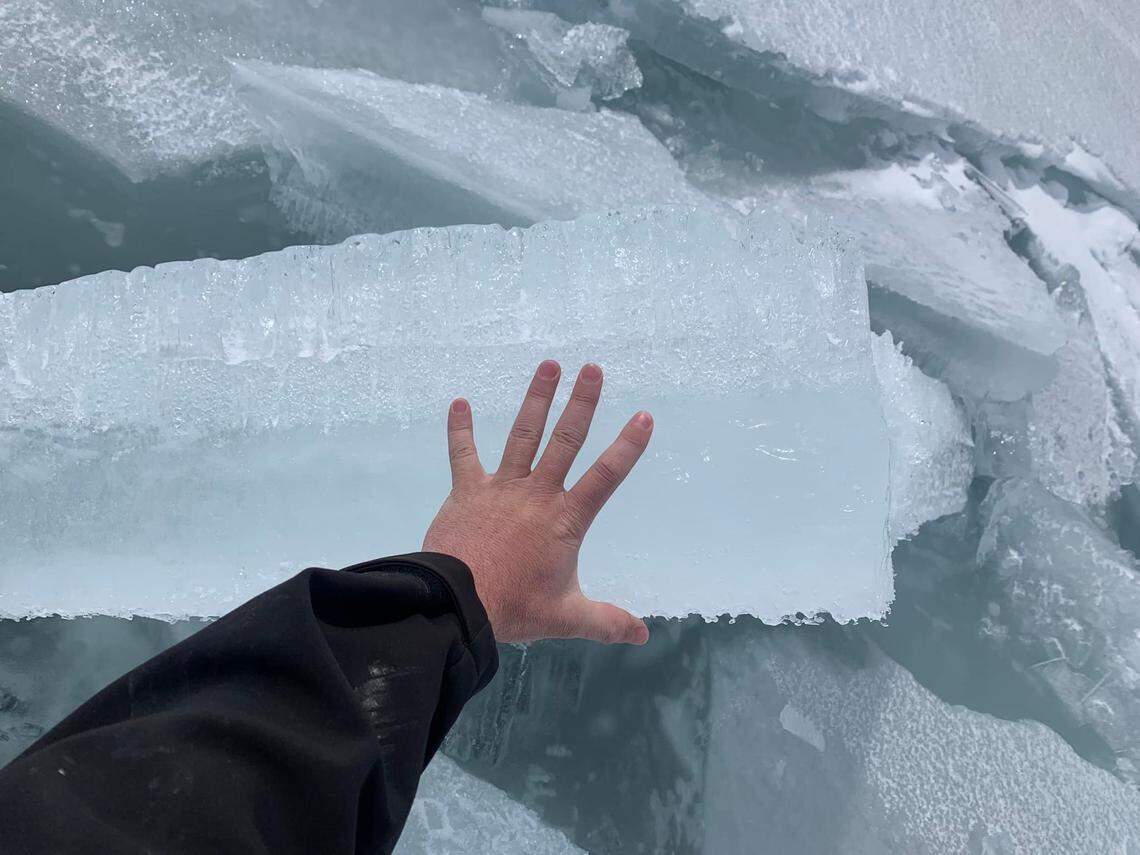
“There’s a lot of them that are four or five feet higher than my pickup truck. Just massive and beautiful,” Stokes told the Idaho Statesman. “It’s been a long time since we’ve seen piles of this size.”
Stokes took pictures of the ice mounds. According to his assessment, some ice chunks he looked at up close were 12 inches thick. He estimates some were even thicker.
One reason the ice mounds are rare is the sheer size of Bear Lake, which is approximately 109 sprawling square miles.
The whole lake needs to be frozen over, Stokes said, which he says hasn’t happened since 2017. Most years, the lake doesn’t freeze over because when a sheet of ice forms along the lake’s surface, consistent weather patterns and storms will cause “monstrous waves,” Stokes said. That breaks up the ice.
But low temperatures and a lack of storms throughout the winter allowed the lake to form a thick layer of ice.
“It froze over probably the hardest I’ve seen it in certainly over 10 years,” Stokes said.
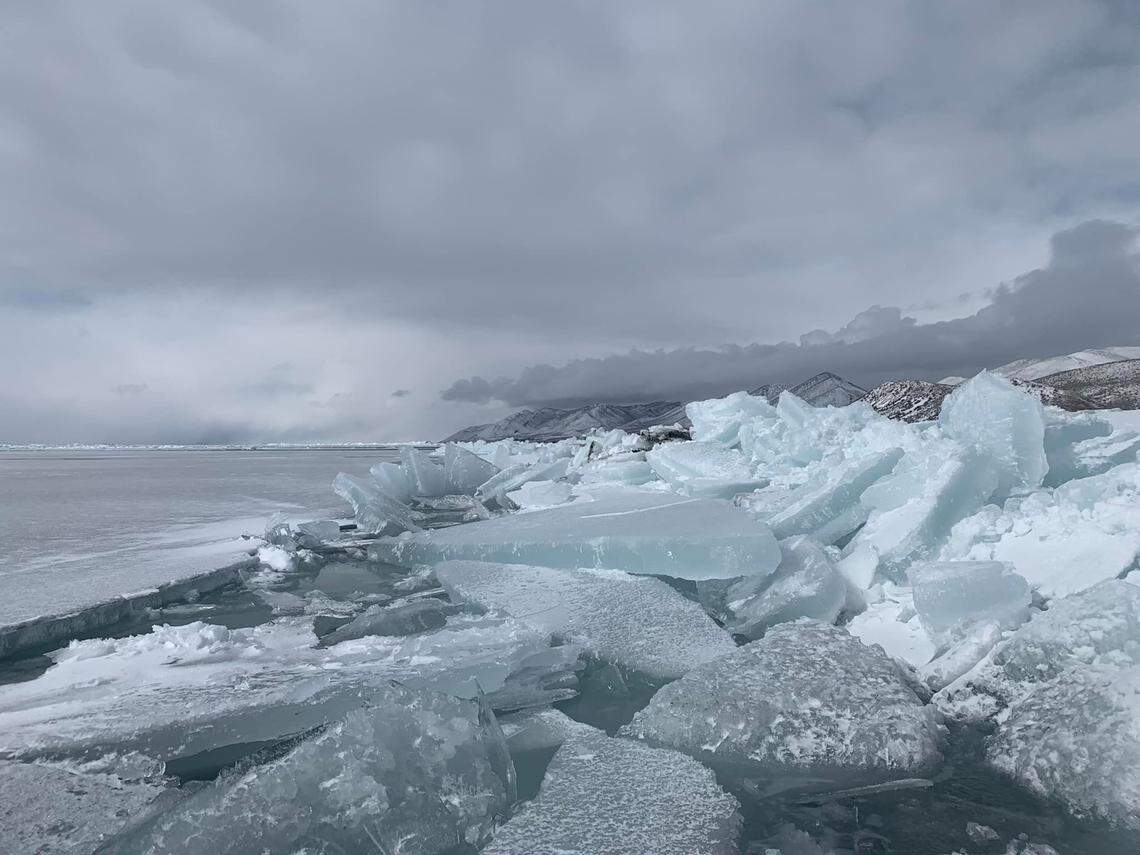
As the spring weather starts to warm up and the lake begins to thaw out, exposed open water creates a wave action as winds blow over the lake. That’s what has happened this past week at Bear Lake, with winds coming from the west, forcing waves and pushing the ice sheets toward the east bank.
As the ice gets pushed toward the bank, it gets broken up, Stokes said, and pieces begin piling up on top of each other, forming the ice mounds on the East Beach Campground.
“It’s just like a massive ship; it doesn’t really stop,” Stokes said. “It just kind of crunches into shore, and it’ll move earth. And so it just kind of stacks on itself and then just keeps stacking these piles.”
He said that visitors who want to see the ice mounds can do so, but should be extremely careful around them and not adventure out onto the lake.
Tell us what you want to know:
This story was originally published April 14, 2022 at 3:54 PM.
