WeatherWhys: This is what makes air quality poor. Here’s how it can affect your health
The Air Quality Index. It’s something that’s referenced a lot in weather — especially during wildfire season — but what exactly is it, and how does it affect you?
In short, the Air Quality Index is a measure of how air pollution can affect a person’s health within a short period of time.
Forest fires and pollution from cars and factories are two of the factors that can affect the air quality. Pollutants such as carbon monoxide, sulfur dioxide and ground-level ozone all contribute to creating poor air quality.
How is air quality measured?
Air quality for the Gem State is measured by the Idaho Department of Environmental Quality. The department runs a real-time map on its website that updates the air quality every 15 minutes at 24 locations in Idaho, including four locations in the Treasure Valley.
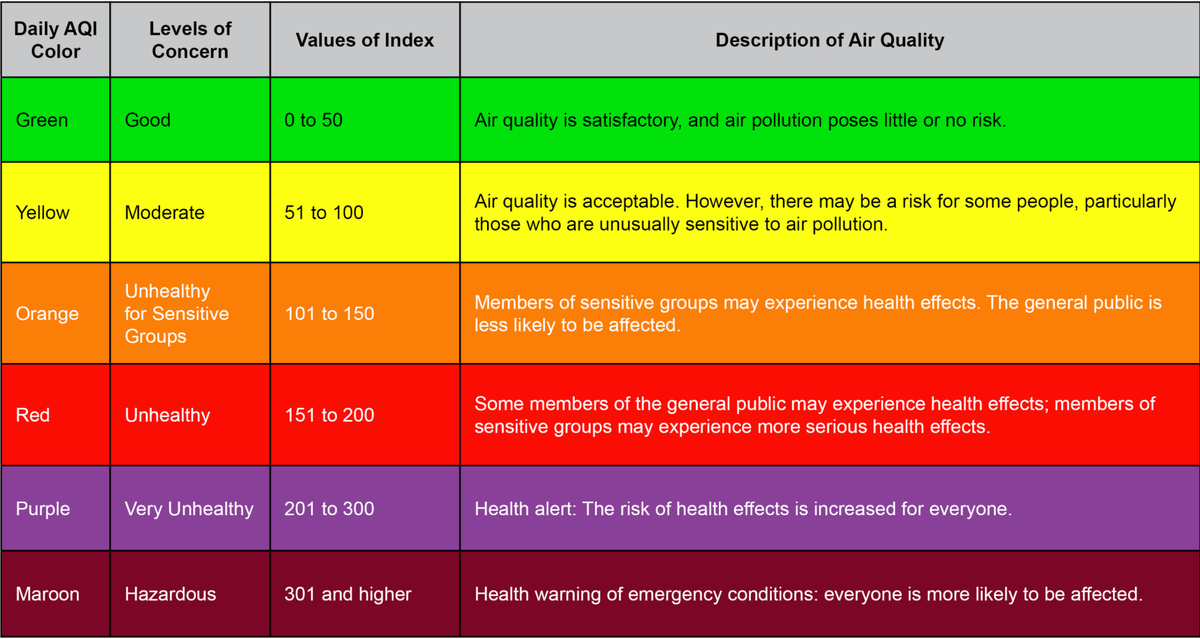
The index calculates the number of pollutants in the air, taking into account how large the pollutant molecules are and the severity of the pollutant, and produces a number between zero and 500.
Good air quality, which would fall under the green level of concern, is between zero and 50. The index then slowly increases through six levels all the way up to maroon, which is a hazardous air quality with the index being above 301.
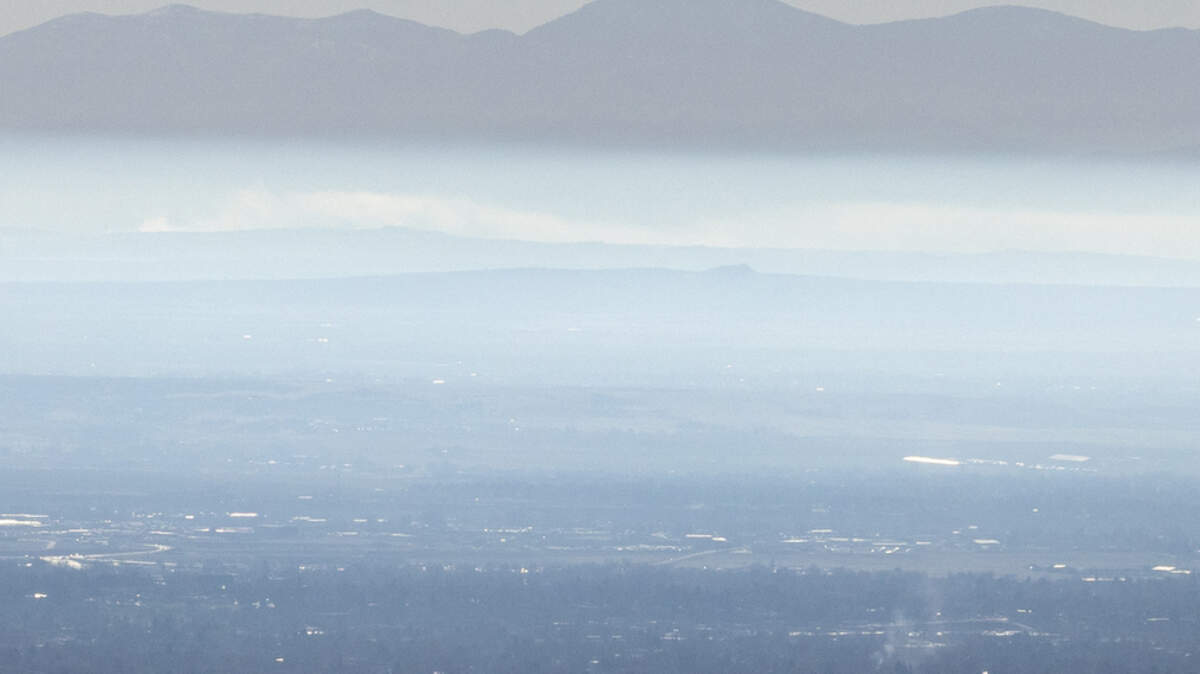
The Treasure Valley can often creep into the second category, yellow for moderate, whenever an inversion occurs. The thick layer of clouds that hangs low over the Treasure Valley will trap in any pollutants, particularly carbon dioxide from cars. The pollutants grow worse in the winter and spring, which is before plants and vegetation have begun removing carbon dioxide from the atmosphere at high levels, according to NASA.
How do the pollutants affect human health?
One of the most harmful pollutants to humans is ozone. While ozone is great in the upper atmosphere and protects those below from the sun’s harmful ultraviolet rays, in the lower atmosphere it can be poisonous to human beings, said Idaho News 6 chief meteorologist Scott Dorval told the Idaho Statesman.
Ozone is a gas compound made up of three oxygen atoms, which differs from the two oxygen atoms that living things typically inhale as regular air.
“The bottom line with ozone is pollution from cars and manufacturing, you know, smokestacks from industries,” Dorval said. “When the sun gets really hot it bakes that pollution, and one of the outputs is ozone, the ozone levels increase.”
Long-term exposure to ozone can damage airways, according to the Environmental Protection Agency, and ultimately is linked to higher rates of mortality.
The Air Quality Index also measures two other types of pollutants: PM2.5 and PM10.
PM2.5 is the measure for particulate matter that is 2.5 microns or smaller. For reference, the circumference of human hair is approximately 50 to 70 microns. Examples of PM2.5 include the combustion of oil and gasoline from vehicles.
PM2.5 exposure can cause heart and lung problems, acute and chronic bronchitis, asthma attacks and other respiratory issues.
PM10 is more dangerous due to the larger-sized particles. PM10 can also be found from a lot of the same sources as PM2.5 but is also more commonly found in wildfires and dust from construction sites and industrial sources.
How can you help improve the air quality?
When it comes to events like wildfires, there’s not a lot that people can do to help, Dorval said.
But for less severe air quality conditions, such as trapped pollutants during an inversion, the Department of Environmental Quality asks that people limit their driving and try to combine trips and errands.
The department also advises individuals to not burn things outdoors. If an individual lives within a city limit, they may also be required to obtain a burn permit from their local fire department.