Lawmaker’s push to change Idaho in-home day care rules runs into governor’s veto
AI-generated summary reviewed by our newsroom.
- Idaho Gov. Brad Little vetoes day care bill, citing safety, licensing and fraud risks.
- Bill would exclude a provider’s own children from ratio limits if they are age 5 or older.
- Bill sponsor framed the changes as technical fixes to benefit small in-home providers.
The Idaho Legislature’s approval of a change in law that would have expanded the number of children a day care provider may watch at one time was struck down by Gov. Brad Little with a rare veto Wednesday evening, with the Republican citing safety concerns and risks of fraud.
House Bill 758 sought to allow providers who operate out of their own homes to exclude their own children age 5 or older from counting toward the state’s maximum child-to-adult staff ratio. Sleeping children also could be monitored with live video and audio equipment, rather than remaining within sight and normal hearing distance, under the proposal.
But the governor said the bill threatens child safety and “puts too much of our good work at risk.”
“This bill could eliminate licensing and fire inspection requirements for providers,” he wrote in his veto letter. “Additionally, rooting out child care fraud and abuse is a top priority of mine. ... This bill heightens the risk of fraud and abuse because bad actors will more easily take advantage of the new requirement for the state to verify which children in a home are legitimate relatives.”
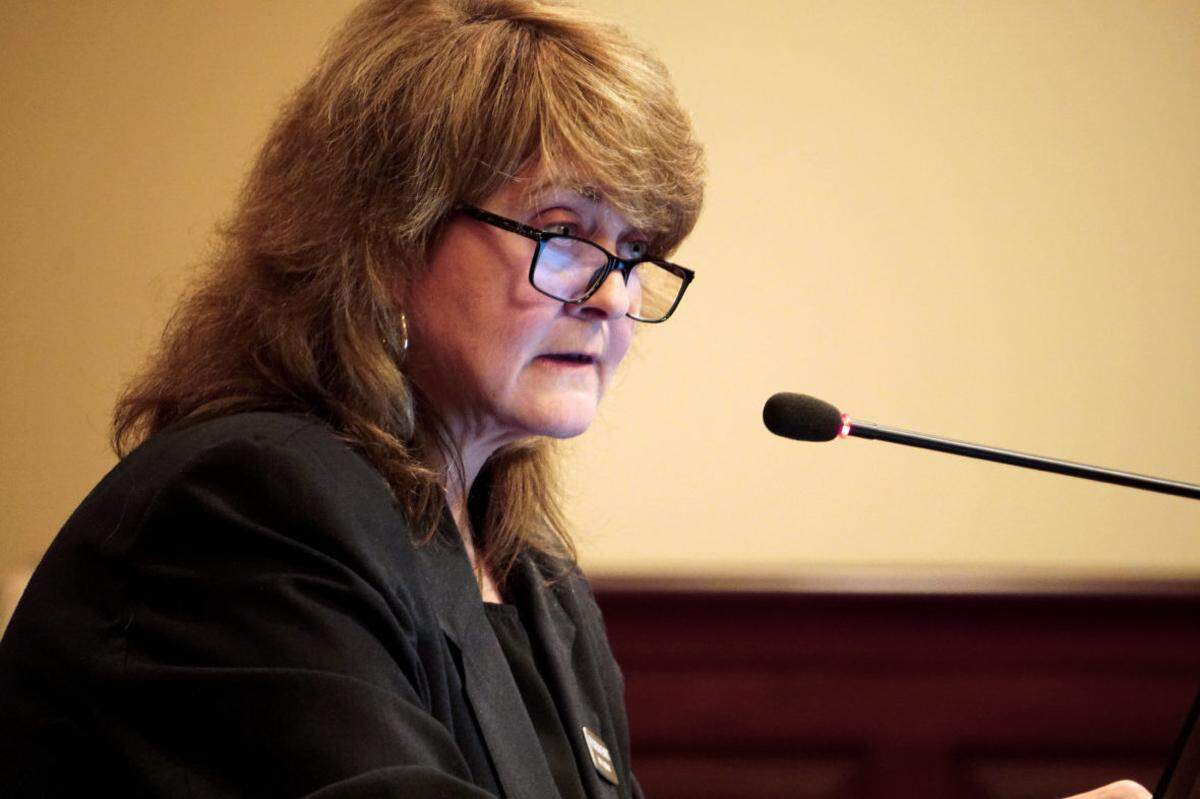
Rep. Barb Ehardt, R-Idaho Falls, the bill’s lead sponsor, labeled the changes technical corrections and “essentially cleanup” to day care legislation passed and signed into law last year. It overwhelmingly passed the House and Senate on its way to Little’s desk, with votes that were veto-proof in numbers if the Legislature chose to take it back up.
The supervision demands in the existing day care law are “absolutely unreasonable,” Ehardt told the House Health and Welfare Committee last month. Every provider operating in their own home would be put out of business if held to those safety standards, she claimed.
In a phone interview Thursday with the Idaho Statesman, Ehardt said she felt the legislation included fairly minor changes and was disappointed by Little’s decision.
“This was really 100% directed at helping my constituents,” she said. “I think even the governor would agree that the last thing we want is for our day care providers to lose their business, because of a child count, and one single child in a home day care can make or break the business.”
Opponents say changes would ‘chip away at good practice’
Elizabeth Noonan, of Boise, told the House committee last month that she has more than 50 years of experience, including as the former director of four child care centers. She testified against the bill, arguing that direct supervision by providers is critical to meeting children’s needs.
“The changes to direct napping supervision are not in the best interest of the children, their parents paying for the service, or for the provider,” Noonan told the committee. “Video monitoring is ripe for cutting corners … and audio will not suffice for providing emotional support and guidance for children. This bill represents a further effort to chip away at good practice and professionalism in child care.”
Little agreed, and voiced worries in his veto about how relaxing state rules on the number of children at a day care could lead to unintended consequences.
“In a fire or emergency evacuation, higher ratios and weaker safety requirements would prove catastrophic,” he wrote.
At the bill’s initial introduction, Ehardt said the requested changes were inclusions in statute desired last year by Alex Adams, the Idaho Department of Health and Welfare director at the time. Adams was a longtime member of Little’s administration, including as his former budget chief before serving as IDHW director from June 2024 to September 2025.
Adams, 41, since accepted an appointment from President Donald Trump as an assistant secretary in the U.S. Department of Health and Human Services. The U.S. Senate confirmed him to the federal position in October 2025.
Adams was unaware of Ehardt’s bill and had not been included in conversations about bringing the legislation, a Health and Human Services Department spokesperson told the Statesman in an email Thursday.
In his role in the Trump administration, Adams oversees the Administration of Children and Families. Among its responsibilities, the federal division manages a federal child care assistance program that offers funding to day care providers who serve low-income families, including in Idaho.
That federal program came under intense national scrutiny late last year, including from Adams, over fraud of more than $1 billion in taxpayer money in Minnesota’s child care system. Some Idaho lawmakers raised their own concerns that similar misuse of the federal subsidies could be taking place in the state’s child care program.
A monthslong internal Idaho Department of Health and Welfare audit released last week found limited instances of suspected fraud in the state’s child care program. Of the 28 care providers that faced enforcement actions from the agency, 16 were over suspected fraud — amounting to about 2% of Idaho’s total program that includes nearly 800 providers.