
Amid nationwide health insurance woes, is there a ‘biblical solution’ in Idaho?
It’s tough out there for people seeking health insurance.
Monthly premiums seem to be ever-increasing, subsidies for marketplace health insurance plans have expired, and the state’s willingness to fund Medicaid and its expansion program for low-income Idahoans has remained an open question in the 2026 legislative session.
At a time like this, many are searching for other options, said Marq James, the head of marketing and sales at Medi-Share, a nationwide “health care sharing ministry” that calls itself an “affordable, biblical solution” to health care needs.
Organizations like his allow members to pool their resources to cover fellow members’ health expenses — often at a lower cost than traditional health insurance plans.
Nationwide, many people are turning to organizations like Medi-Share, though James didn’t have Idaho-specific data. In 2025, his organization saw a 40% jump in demand nationwide, he told the Idaho Statesman.
“What we see going on in the American culture today is that people are going, ‘Hey, this is not sustainable, what’s happening in health care,’” James said.
Many such organizations, including his, are Christian — and require that members adhere to what they view as Christian lifestyles.
“Medi-Share members and their dollars do not pay for abortions, drug addictions or any other unbiblical lifestyles,” Medi-Share’s website reads. That approach, the nonprofit argues, also helps to keep members’ costs lower than those of traditional insurance plans.
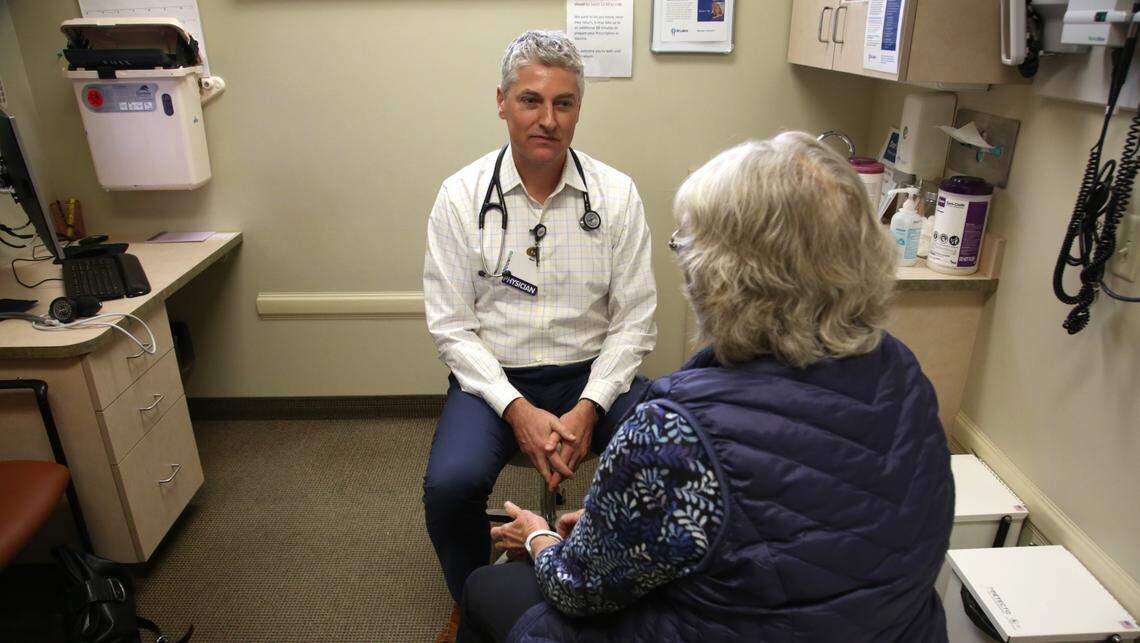
Idaho Sen. Ben Toews, R-Coeur d’Alene, used a health sharing ministry for years and had a “wonderful” experience, he told the Statesman. The ministry he belonged to fully covered the births of his four children, he said. Though he said he wasn’t aware of a rise in the popularity in these organizations, he said it wouldn’t surprise him.
“The cost of insurance is going up so fast that it makes sense that people are looking for that alternative,” Toews told the Statesman.
Toews has proposed a bill to allow people using these plans to claim the monthly shares they pay for health-share programs as eligible medical expenses for Medical Savings Accounts, in the same way users of traditional insurance plans do. His bill, which the House Revenue and Tax Committee voted to print and give a hearing, would save the average person using such a ministry about $300 annually in taxes.
With about 7,500 families using these programs, Toews’ bill estimates, the result would be about $250,000 in foregone revenue to the state.
Rep. Jordan Redman, R-Coeur d’Alene, sponsored a similar bill in 2024. It passed the House but did not receive a hearing in a Senate committee.
Idaho’s Department of Insurance doesn’t formally track residents’ use of these health care ministries, which are not subject to the same regulations as traditional insurance plans. The department doesn’t have 2025 data on these programs’ use or popularity in Idaho, said spokesperson Julie Robinson.
According to some ministries’ self-reported data collected by the department, the number of Idahoans using these programs actually dropped from nearly 30,000 in 2021 to about 20,000 in 2024.
Some organizations have not consistently reported their enrollment in recent years, Robinson told the Statesman, which could explain the decrease.
This story was originally published March 5, 2026 at 4:00 AM.
