Idaho changed how suicide hotline serves kids. A teen wants change to save others
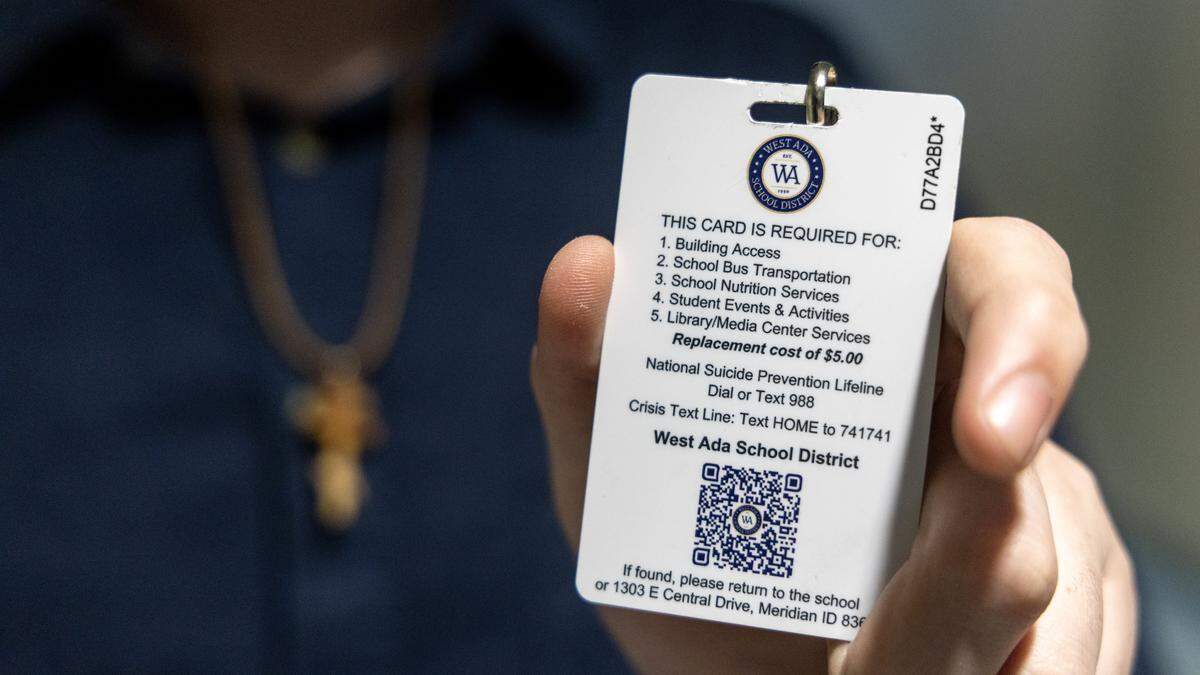
Late one night last fall, Jace Woods dialed the three numbers he’d long ago memorized: 988. The number for the suicide hotline is printed on his school ID badge and hung on posters throughout his school. The number meant that if in need, he would always have someone to call.
That night, he had a lot going on, had recently learned his dad was sick and just wanted to talk to someone who didn’t know him. About five minutes into the call, the person on the phone gently told him that unless he was in “active crisis,” they couldn’t talk to him without parental consent, he told the Idaho Statesman. A bill lawmakers passed in 2024 prevents kids and teens younger than 18 from accessing health care services, including for mental health, without parental consent in most cases. The effects trickled down to the suicide hotline.
“She basically said, ‘Unless you tell me, I will kill myself if you hang up on me right now, then I have to hang up,’ ” Woods, a freshman at Meridian High School, said.
The bill, which has been in effect for about a year and a half, does make an exception for emergencies. Someone under 18 wouldn’t need parental consent if a health care provider determines it’s a medical emergency, and without that care, a person would be at risk of “death or imminent, irreparable physical injury.” But like Woods, not everyone who calls the suicide hotline meets that bar.
After the call, Woods got angry. Right away, he started calling and emailing legislators and asking for advice.
“I love this state. It’s a beautiful state. It has amazing people, and the idea that they could do that to us, do that to people my age, the most vulnerable people,” Woods said. “It made me unbelievably mad.”
When asked about kids having their calls with the suicide hotline cut off because of the bill, Rep. Barbara Ehardt, R-Idaho Falls, one of the sponsors of the 2024 legislation, said: “It allowed for ‘emergencies.’ Suicide, by definition, is an emergency.”
She added, though, that there will be “added language to address this.” She said she hopes to get a bill introduced next week. It would still need to pass through both chambers of the Legislature and be signed by the governor to become law.
In 2023, more than 450 people in Idaho died by suicide, about 1.6 times the national average, according to the Idaho Department of Health and Welfare. That year, Idaho had the fourth-highest suicide rate in the country. Woods said most people his age know someone who has died by suicide, attempted suicide or is struggling with suicidal thoughts.
Until the law is fixed, he will keep fighting.
Law sets the bar ‘very high’
After lawmakers approved the law in 2024, the Idaho Crisis & Suicide Hotline changed some of its policies. The hotline is still committed to keeping people safe and providing compassion and support to anyone who calls, said Lee Flinn, the director of the Idaho Crisis & Suicide Hotline.
But the law is clear: The suicide hotline can’t step in without parental consent unless a person is assessed at being at risk of imminent harm or death, she said.
“Current law sets the bar very, very, very high, and we have to navigate around that,” Flinn told the Statesman.
Flinn explained to the Statesman how calls are handled.
When someone reaches out, the person answering the call first listens to the caller to understand their crisis. They then ask questions to understand if that person is safe. These can include whether the person is having suicidal thoughts, how long they’ve been feeling that way, if they have taken any actions to hurt themselves and whether they have the means to die by suicide.
That safety assessment determines whether the person who answered the call can continue talking to someone under 18. If someone is assessed as being at risk of imminent harm, the call can continue without parental consent. If not, the person explains the law and asks if a parent can give permission so they can keep talking. Some of the time, kids are able to get their parents to consent. Other times, they hang up, or share it’s not possible.
If a kid isn’t able to continue the call, “it could make them feel like people don’t care about them,” Flinn said. “It could cause them to feel isolated, like they don’t have anyone to talk to. And if in that moment, if that young person is in crisis, but they’re not in a crisis that is life-threatening, they still need support.”
Best practice when talking to someone having suicidal thoughts is also to offer a follow-up call, she said. It’s a way to check in on that person’s safety and let them know they are supported. But the law means for people under 18, that’s not an option without parental consent.
Flinn emphasized that nothing in the law restricts kids from calling the hotline. Ideally, every child would have a supportive parent they could talk to, she added, but that’s not always the case.
“We believe that parents play the most important role in their child’s well-being,” Flinn said. “And it’s also been difficult supporting minors with this law in place.”
Still, she said, the team members at the Idaho Crisis & Suicide Hotline always do the best they can to make sure people who call are safe and feel supported — even with the restrictions. The suicide hotline is an essential resource for people of all ages across Idaho, she said.
“Do we want Idahoans, including young people in Idaho, to be able to reach out to an Idaho 988 center, or do we want them to talk to ChatGPT when they’re feeling suicidal?” she said.

‘Sometimes you just need someone’
Woods worries that kids will die as a result of the restrictions if the law isn’t changed.
He said he knows several other people who have tried calling the suicide hotline and have similarly had their calls cut short.
It’s a challenging time, when teenagers are balancing grades, school, relationships, activities and other life stressors — all while figuring out what and who they will be for the rest of their lives, he said. Sometimes, talking to your parents — even if they are supportive — can be scary, he said; for people whose parents aren’t supportive or are abusive, it can be impossible.
“I was terrified to tell anyone, and I have incredibly supportive parents who absolutely care about this and absolutely would want to help me,” he said. “And I was terrified, and I can’t even imagine what someone who is deeply depressed or has parents who don’t believe in mental health or in therapy … how terrifying that must be.”
The law had other far-reaching effects. In 2024, the Boise School District sent a message to parents saying schools would need their consent to provide non-life-threatening medical services, including Band-Aids and Tylenol, Idaho Education News reported at the time.
Woods said he wants lawmakers to understand how urgent this issue is.
“Sometimes you just need someone. And the suicide hotline for so long has been that person, the organization. That’s the number that you can call when there’s nobody else who will listen, when it’s 3 in the morning, and you don’t have anyone else to listen. And now we can’t get access to it,” he said. “There’s not another option.”
Parents can provide ‘blanket consent’ for suicide hotline
Parents can fill out “blanket consent” forms so if their child needs to call the suicide hotline, they can do so without getting parental permission each time. Parents can call 988 for more information.
This story was originally published February 19, 2026 at 10:08 AM.