In fights for public records, the only option is to sue. That may soon change
Ever filed a request with a local government agency to look up your tax payment records? A marriage certificate? A background check or police report about you?
Sometimes, filing such requests is a breeze. Other times, agencies may push back, delay or deny the request. Under Idaho law, your next step would be to sue the agency for the records.
It’s a costly and time-consuming pursuit that may lead members of the public or press to just give up. If they sue, and win, it can cost local governments thousands of dollars.
But a bill introduced Wednesday in the Idaho Legislature could change this. The proposal, led by the Idaho Press Club, allows people who believe they’ve been wrongly denied public records to file a “small claims”-type request to a judge in their county’s district court to review the records request and the agency’s response. If the judge takes the requestor’s side, the agency must release the records in question.
Filing such a claim would cost requestors $100 each. The claim must be filed within 90 days of the agency’s original response. This kind of claim would offer a pathway to resolve records disputes in a “more timely and financially viable manner,” according to the bill’s statement of purpose.
Melissa Davlin, the president of the Idaho Press Club, told the Idaho Statesman that she and other reporters have been “frustrated” for years by the fact that Idaho public records law allows lawsuits as the only legal pathway if there’s a dispute over records. The Press Club’s members include Idaho Statesman journalists.
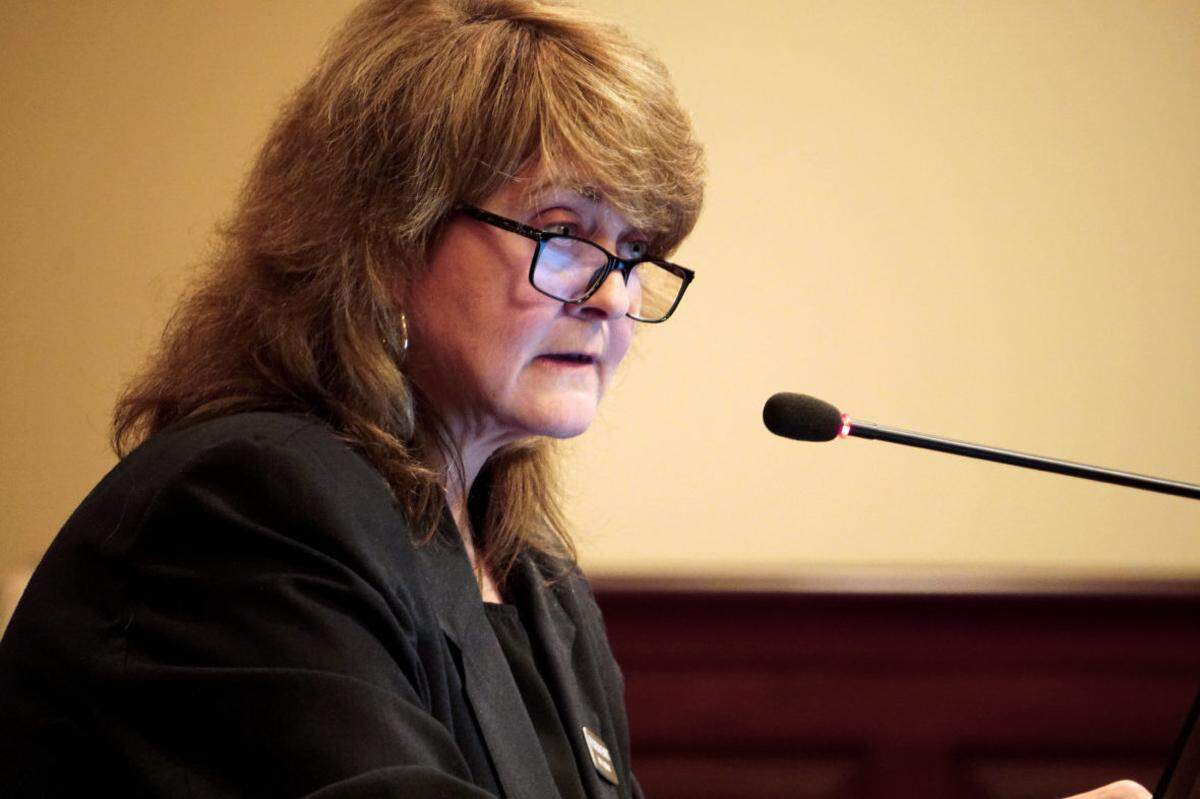
Sometimes, government agencies may misunderstand what records they must make available, said Rep. Barb Ehardt, R-Idaho Falls, the bill’s sponsor. The approach outlined in the bill would allow for a lower-stakes — and lower-cost — resolution of these disagreements.
“This just doesn’t seem like what we really should have to be doing — suing everyone because we requested information,” Ehardt said.
The House Local Government committee, which Ehardt chairs, voted to introduce the bill. It is set to receive a committee hearing in the coming days.