Gov. Little called for budget cuts. Lawmakers want agency heads to cut even deeper
AI-generated summary reviewed by our newsroom.
- Lawmakers asked agencies for options to cut 1–2% beyond the governor’s 3% proposal.
- Committee signals lean toward a 2% extra cut, creating potential 5% total cuts each year.
- Exemptions for education, corrections and health shift cuts onto smaller agencies.
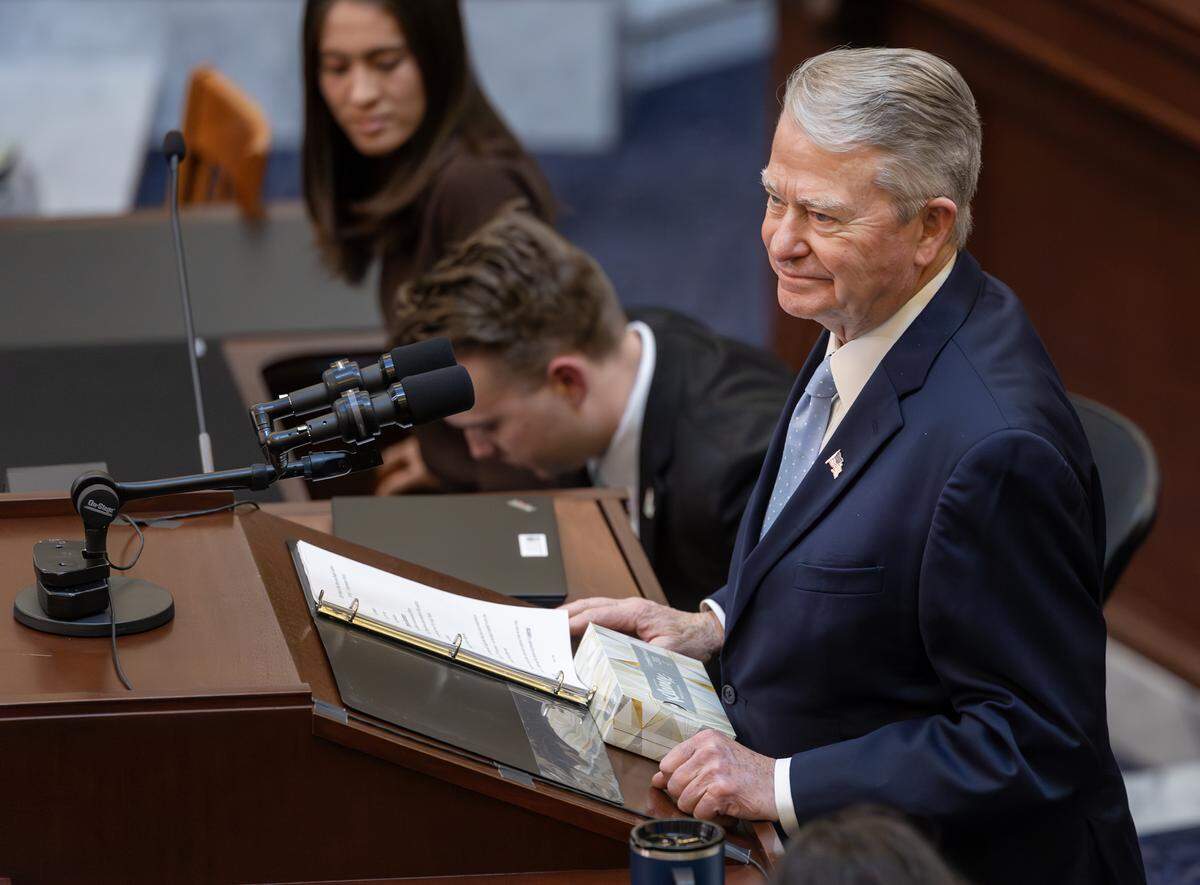
Idaho Gov. Brad Little in his annual State of the State speech called for budget cuts in a year of “budget pressures.” He proposed the extension into fiscal year 2027 of 3% cuts that many state agencies made to their budgets in August.
Now, lawmakers have signaled that they may cut even deeper — up to 5% of the state’s general fund in fiscal years 2026 and 2027. The state’s general fund was $5.66 billion in fiscal year 2026.
In a Monday memo, leaders of the Legislature’s Joint Finance and Appropriations Committee asked department heads to offer ideas for where they would make an additional 1% or 2% in cuts beyond what Little had recommended in fiscal years 2026 and 2027. Along with Little’s proposed extension of 3% budget cuts, those would mean a total of 4% or 5% in cuts each fiscal year.
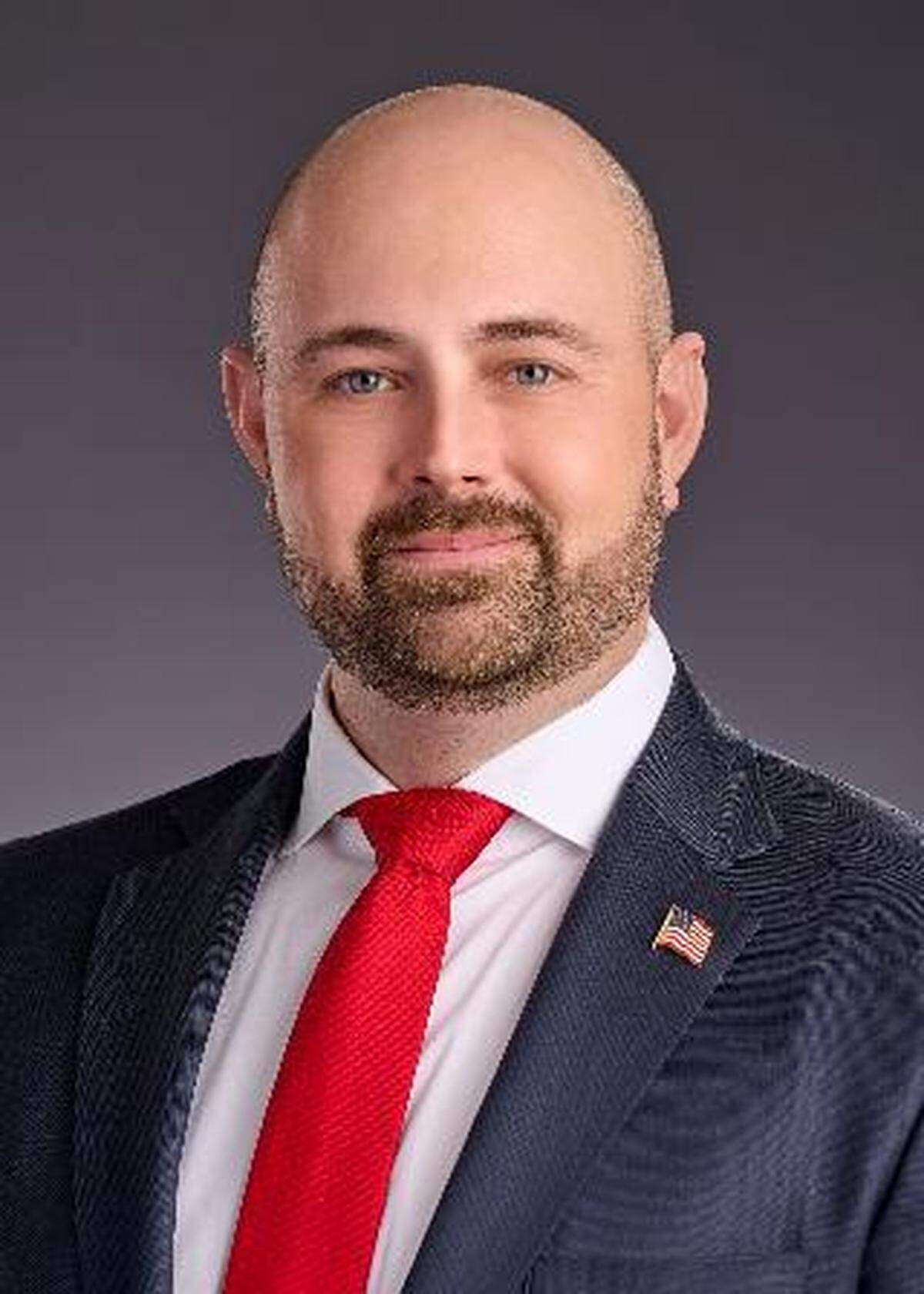
Asking department heads for this input is “giving us options,” Rep. Josh Tanner, one of the committee’s co-chairs and an Eagle Republican, told the Idaho Statesman. “The more cards we have on the table, the more areas we can actually look through at doing things.”
Additional budget cuts are ‘unfortunate,’ lawmaker says
Fiscal year 2026 is more than halfway over, which means that, to achieve 4% or 5% cuts to their overall spending for this year, agencies would need to cut significantly more than that amount from their spending in the next five months, said Keith Bybee, the manager of budget and policy analysis in the Legislative Services Office.
Lawmakers will “really need to wrestle with that,” he told the Statesman by phone.
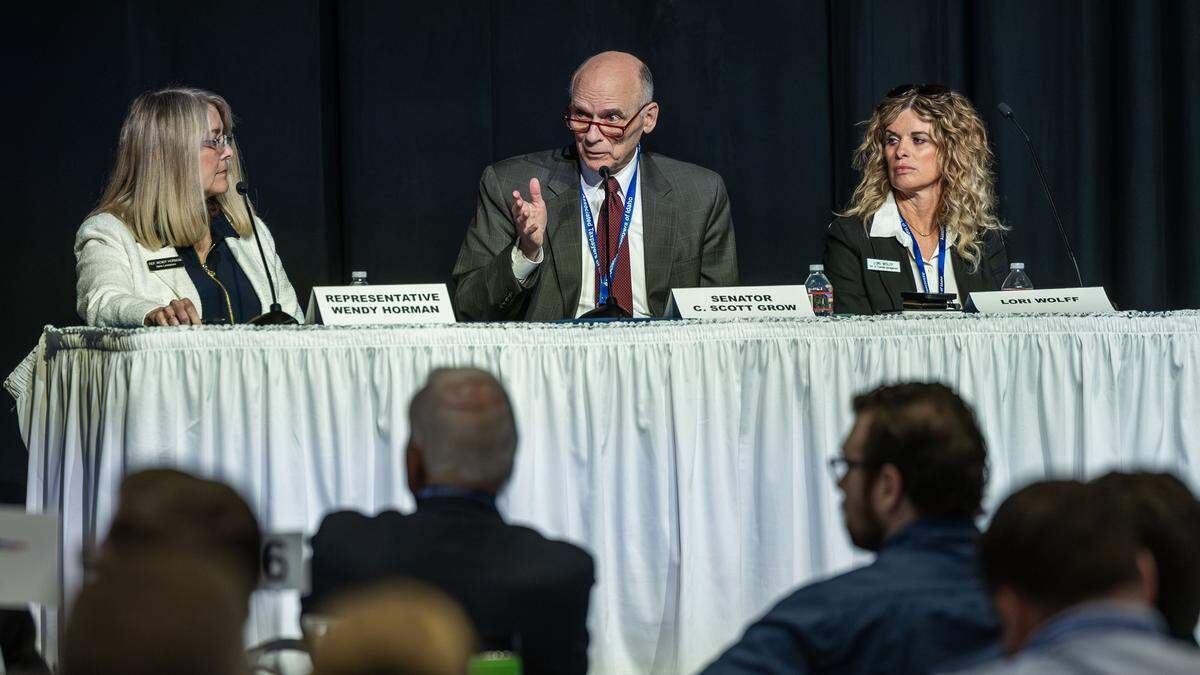
The committee is still just “evaluating options” for balancing the budget, its memo reads, but Co-Chair Sen. Scott Grow, R-Eagle, told the Statesman it is leaning toward making 2% in additional cuts, the higher of the two possibilities it presented to department heads.
Tanner said that most state agencies had been “expecting” to be asked about how they would approach additional cuts.
“They as well could see where we’re at, the bottom line,” he said in an interview. Looking at the budget, they could see, “‘Eh, (that’s) not gonna work out very well.’ It’s unfortunate, but that’s where we’re at right now.”
In their memo, lawmakers did not ask the Department of Education, Idaho Department of Correction or the Department of Health and Welfare to suggest cuts, Grow said. They felt that any additional cuts to the health department could limit its ability to perform essential functions, thereby limiting its ability to access large federal grants. For public education and corrections, lawmakers “followed the governor’s lead,” Grow said.
Those three departments, Grow said, are some of the state’s biggest spenders. Omitting them from at least these proposed cuts “puts the heat on all the other folks,” he acknowledged.
“The smaller agencies and departments have to take the hit to try to balance it out,” he told the Statesman in an interview.
In response to a question about Grow’s claim, Joan Varsek, a spokesperson for Little, reiterated the fact that the budget Little proposed in his State of the State address delivered a balanced budget for fiscal years 2026 and 2027.
Little’s proposal “uses a responsible mix of one-time and ongoing reductions to stay balanced without resorting to additional, across-the-board cuts to agency budgets,” she said in an email.
Idaho Democrats, who have blamed shaky state revenues on large tax cuts the Republican-dominated Legislature passed in recent years, on Tuesday condemned the proposed cuts in a statement.
“This letter tells you exactly what Republican budgeting looks like,” said House Minority Leader Ilana Rubel, D-Boise. “They pass tax giveaways for the wealthy and well-connected, then stick working families with the consequences.”
Proposed cuts come in response to tax conformity plan
Lawmakers in mid-January projected that state revenues in fiscal year 2026 and 2027 would exceed the governor’s predictions by about 2%. But those predictions did not include the cost of aligning the state’s tax code with the new and expanded tax cuts and credits in the federal tax code, which lawmakers have since moved to do.
Little had proposed aligning the state and federal tax codes starting only in calendar year 2026, but lawmakers have sought to start aligning them retroactively for 2025. Each year of alignment will cost the state $155 million in lost revenue, Rep. Jeff Ehlers, R-Meridian, has predicted.
With tax conformity factored in, lawmakers must make additional cuts in other areas, Tanner said.
The finance and appropriations committee memo, sent on Monday, gave department heads until Friday to submit their suggestions for additional budget cuts. It asked department heads to identify whether cuts would require layoffs or furloughs, whether any essential services would be affected, and if any “efficiencies” would be achieved.
This story was originally published January 27, 2026 at 2:11 PM.