Rural health is a ‘real concern,’ Gov. Little says. Idaho to get millions to help
Idaho is set to receive over $900 million in federal money over the next five years to improve the state’s provision of health care in rural areas, Gov. Brad Little’s office announced. The funds were allocated as part of the Rural Health Transformation Program under House Resolution 1, also called the One Big Beautiful Bill Act.
“For many Idaho families — especially in rural areas — affordable, accessible health care is a real concern,” Little said in a Tuesday news release. The federal government’s investment “ensures Idahoans can get the affordable care they need, no matter where they live.”
In its November application for the money, the Idaho Health and Welfare Department said it would focus on using technology to improve access to care in rural areas; increasing rural residents’ access to home-based and community-based care options; and ramping up training and recruitment of rural health care workers.
“This funding gives Idaho the flexibility to pursue solutions that are shaped by rural communities themselves,” Health and Welfare Director Juliet Charron said in the release. “By listening to providers, patients, and local leaders, the state can make targeted investments that support sustainable, high-quality care close to home.”
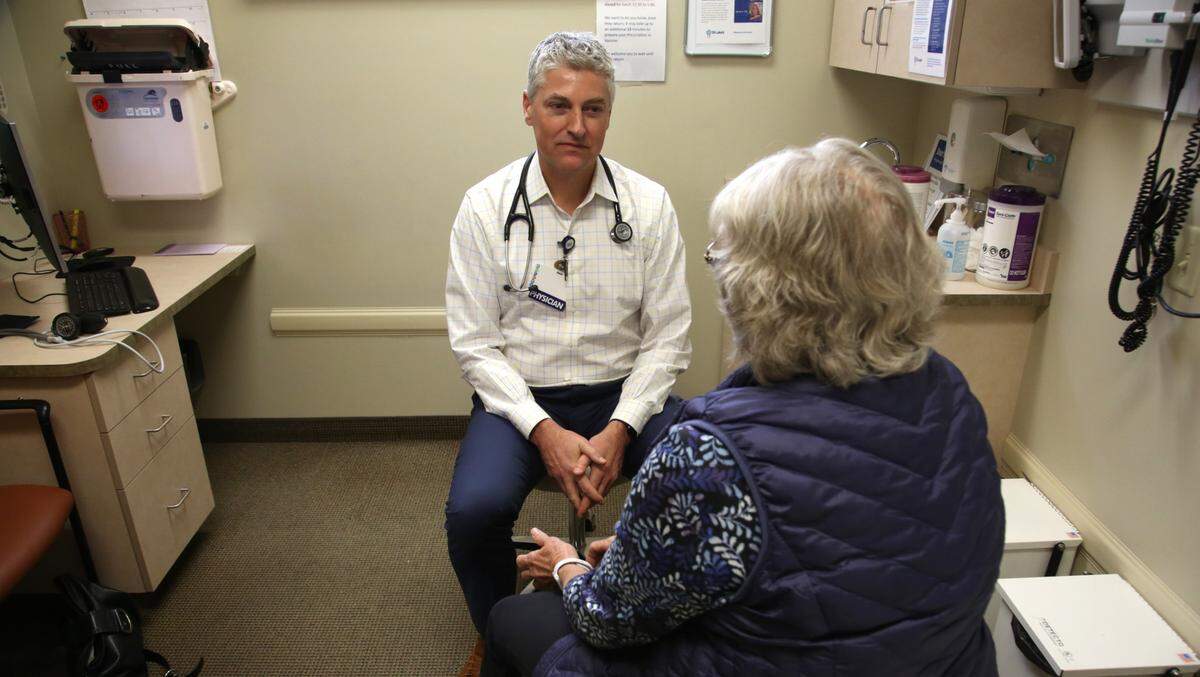
Under the program, administered by the Centers for Medicare and Medicaid Services, states were eligible for up to $200 million a year to “radically transform” rural health care, Little’s office said in a November news release. Idaho will receive about $185 million annually, while some other states will receive close to $300 million a year, the centers announced Monday. All 50 states will receive at least some funding.
Rural health care in Idaho has been ‘fragile,’ Health Department says
Health care in rural Idaho has long been embattled, according to Health and Welfare’s application for the grant. The state’s rural residents with chronic conditions have a higher mortality rate than those living in urban areas, and rural parts of the state face a severe shortage of health care professionals. Many rural hospitals in the state operate in a “fragile financial position,” the department wrote.
Idaho has faced an exodus of obstetricians, in large part because of its law preventing abortions even in cases that would protect the mother’s health, the Idaho Statesman previously reported. One lawmaker also attributed the shortage of physicians in the state to low pay, lack of access to medical education and, in rural Idaho, possible professional isolation and a lack of job opportunities for physicians’ spouses.
Half of the Rural Health Transformation Fund is set to be distributed evenly among states, while the disbursement of the rest will be driven by the size of each state’s rural population, Politico reported. The Centers for Medicare and Medicaid Services will reassess each state’s allotment annually based on the state’s success at meeting the criteria in its application.
Idaho lawmakers must now approve the funds in a budget request, according to Tuesday’s release. Little’s previous release about the state’s application indicated support from Republican state lawmakers who lead panels that oversee budget-setting and health care legislation. The application “marks meaningful progress” toward improving patient outcomes and expanding access to care in rural Idaho, said a statement signed by Reps. Wendy Horman and John Vander Woude and Sens. Scott Grow and Julie VanOrden.