More Idaho children are losing health insurance. Here’s what we know
Idaho saw a rise in uninsured children that was larger than nearly every other state, according to a new report from Georgetown University, after thousands of Idaho children lost coverage in recent years.
The study, published in September by Georgetown University’s School of Public Policy, found that the number of uninsured children in Idaho rose from 28,000 to 40,000 from 2022 to 2024 — an increase of over 40%. Only Texas fared worse, authors found.
During those years, state Medicaid administrators around the country were resuming regular eligibility checks to see whether anyone could be removed from Medicaid rolls — if household incomes had risen above a certain level, for example. Those checks had paused during the COVID-19 pandemic.
But in some cases, “states did not approach the process with the utmost care,” leading to accidental disenrollments of children who still qualified to receive Medicaid, said Joan Alker, one of the report’s authors and the executive director of the school’s Center for Children and Families, in a summary of the report.
In Idaho, 50,000 children lost health insurance coverage during that period. Over 70% of those disenrollments were caused by “procedural issues,” meaning that the children who were disenrolled simply didn’t make it through a Medicaid renewal process, but may have still been eligible, said Ivy Walker, a spokesperson for Idaho Voices for Children. About 10,000 of those children were ultimately covered through other health insurance, she said.
In order to stay enrolled in Medicaid, families were supposed to provide updated information that would determine their eligibility to the Idaho Department of Health and Welfare within 60 days of receiving a request in the mail. But in some cases, families may have moved and failed to update their mailing address, so they didn’t even receive those requests. In other cases, they may simply have failed to respond in a timely manner.
Often, Walker said, parents didn’t realize their children had lost Medicaid coverage “until they showed up at the pharmacy and all of a sudden couldn’t get their meds,” she said.
In many cases, people were disenrolled by mistake, Walker said. Through public records requests her organization submitted to the Health and Welfare Department, she learned that 18,000 Idahoans were disenrolled from Medicaid from April to September 2023 — but were later found to be eligible and put back on the rolls, she said.
AJ McWhorter, a spokesperson for the department, did not immediately respond to a request for comment.
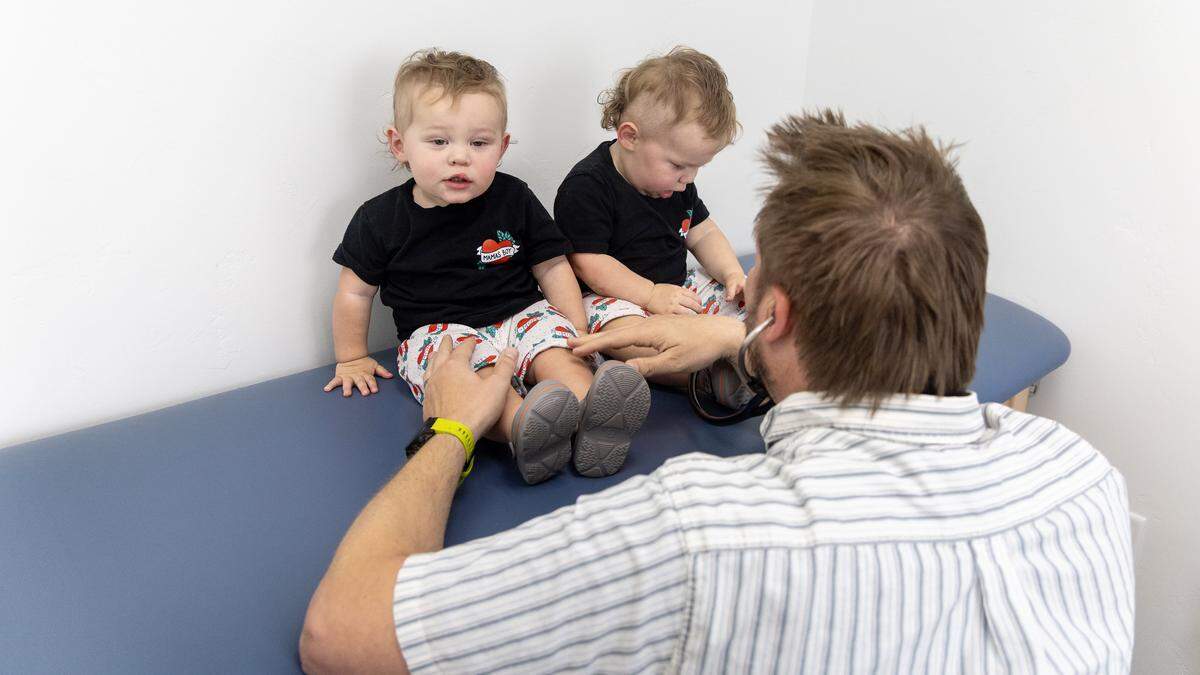
Without health care coverage, children are more likely to go without preventative care, including routine checkups and development screenings, Brian Birch, a Meridian pediatrician, said in the release. Without access to that care, he said, “small concerns can become serious health and learning challenges.”
The uptick in uninsured children in Idaho reflected a national increase — a “dramatic reversal on the progress our nation had made” in improving child health care coverage, Alker wrote.
Authors predicted that the situation would only get worse. President Donald Trump’s crackdown on immigration would have a “chilling effect” on families with an immigrant parent or household member, as parents hesitate to share their information with the government, they wrote, and billions of dollars in cuts to Medicaid nationwide will also affect children’s coverage.
“The storm clouds are gathering for people to lose health insurance, but for children they are already here,” Alker wrote.