Lawsuit planned over Idaho tax credits for private schools, former AG says
Former Idaho Supreme Court Justice Jim Jones is involved in plans to sue the state over a new law that directs public dollars to private school tuition, arguing that it violates the state constitution, Jones told the Idaho Statesman.
In an interview with the Statesman, Jones, a former Idaho attorney general, declined to provide details about the lawsuit. But a “legislative alert” he published online in February outlined the legal strategy that the Committee to Protect and Preserve the Idaho Constitution would pursue against the law. Jones and other attorneys formed the organization in 2021 to “protect the Idaho Constitution from repeated attacks by the Idaho Legislature,” according to a news release posted on his blog.
Gov. Brad Little in February signed into law a bill to distribute $5,000 tax credits to parents to defray the cost of homeschooling or private school. Programs that use taxpayer money for private education have often been referred as school vouchers. But proponents in Idaho reject that term, arguing that Idaho’s law sends the money to parents, not directly to the private schools.
Jones wrote in his legislative alert that a court “would not buy” the distinction, whether it’s called “a school voucher, a tax credit, a school choice payment, a savings account, or whatever else.” Regardless, the law reduces the pool of money left to meet the state’s obligations, he said.
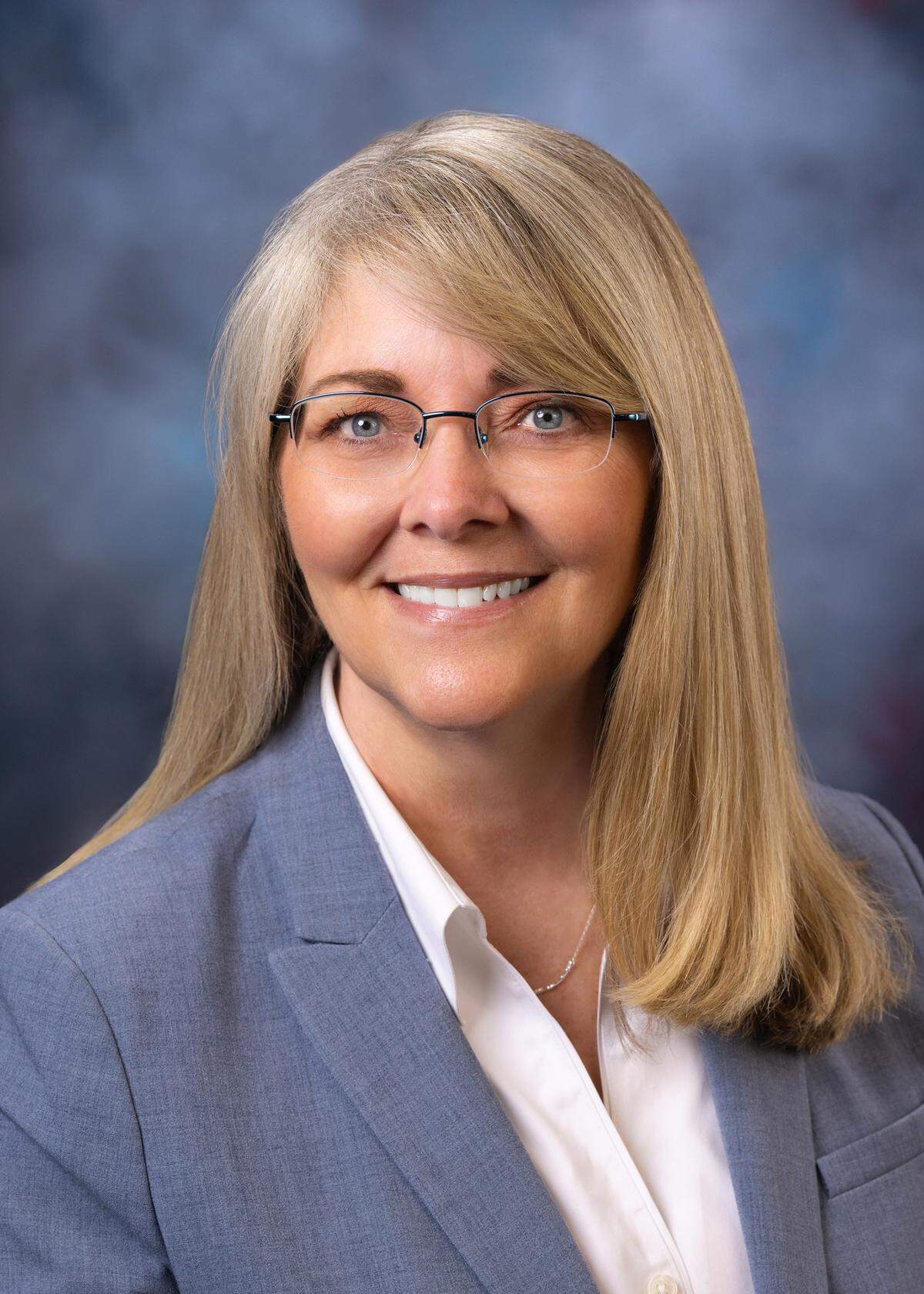
Rep. Wendy Horman, who cosponsored the bill, told the Statesman the state’s laws can support both public education and families sending students to private schools. Lawmakers this year increased public schools’ budget by about 2%, according to this year’s legislative fiscal report.
Horman, an Idaho Falls Republican, said she had drafted the legislation anticipating a lawsuit — and that she and the bill’s supporters were “confident that we will ultimately prevail in court.”
Jim Jones: Public funds for private school is unconstitutional
Jones has been writing for years about his opposition to the use of public money for private school tuition.
He has argued that the state’s constitution, which calls for the Legislature to maintain a “general, uniform and thorough system of public, free common schools,” prohibits public funds from being spent on education outside of the public school system. Idaho lawmakers have already failed to adequately fund the state’s public schools, he argued, and using taxpayer money on homeschooling or private education would further reduce the funds available for public schools.
Idaho’s constitutional framers “would be profoundly amazed and saddened to learn that legislators have seriously and consistently violated” their duty to fund public education, he wrote in February.
He has separately argued that funding private education through tax credits would open a “back door” to using public funds for religious education — something that the state constitution explicitly forbids. Jones cited U.S. Supreme Court Chief Justice John Roberts, who wrote that “a state need not subsidize private education. But once a state decides to do so, it cannot disqualify some private schools solely because they are religious.”
Horman pushed back against Jones’ concerns, arguing that because the law offered a tax credit directly to parents who sent their children to private schools, rather than providing money to private schools, it was not a diversion of public funds to private schools.
“A refundable tax credit is not a voucher,” Horman said. “It is refunded directly to families, it doesn’t go directly to the institution.”
Horman said she felt confident about the law’s constitutionality because similar laws in other states had fared well in court. In 2002, the U.S. Supreme Court upheld an Ohio law offering vouchers for students to attend public or private schools of their choice, including religious schools. In 2020 and 2022, the Supreme Court ruled that tuition assistance programs in Montana and Maine must allow families to use the school voucher funds for religious schools, if they chose.
Horman also reflected on a Utah judge’s recent ruling that Utah’s school voucher law violated the state’s constitution. Jones wrote that Idaho’s law was similarly “vulnerable.”
But “it’s a different state, it’s a different constitution, it’s a different program,” Horman said. “I’m not particularly worried.”