Idaho bill would ban ‘unauthorized’ camping. Boise warns that could be a problem
When the U.S. Supreme Court ruled in June that cities could enforce bans on camping in public, Boise Mayor Lauren McLean was adamant that the ruling wouldn’t change the city’s approach to homelessness.
The justices’ decision in practice allows police to issue fines to people experiencing homelessness. Boise city officials in recent years have instead focused on policies aimed at increasing residents’ access to housing.
“Criminalizing homelessness has never, and will never, solve the problems associated with homelessness,” McLean said in June.
That approach came under fire during a public hearing Monday at the Idaho Capitol, where a committee of lawmakers advanced a bill to ban “unauthorized” public camping on public property in large cities. Senate Bill 1141, sponsored by Sen. Codi Galloway, R-Boise, would allow Attorney General Raul Labrador to sue cities that “knowingly” allow such camping to continue. The bill will now need support from the full House and Senate to become law.
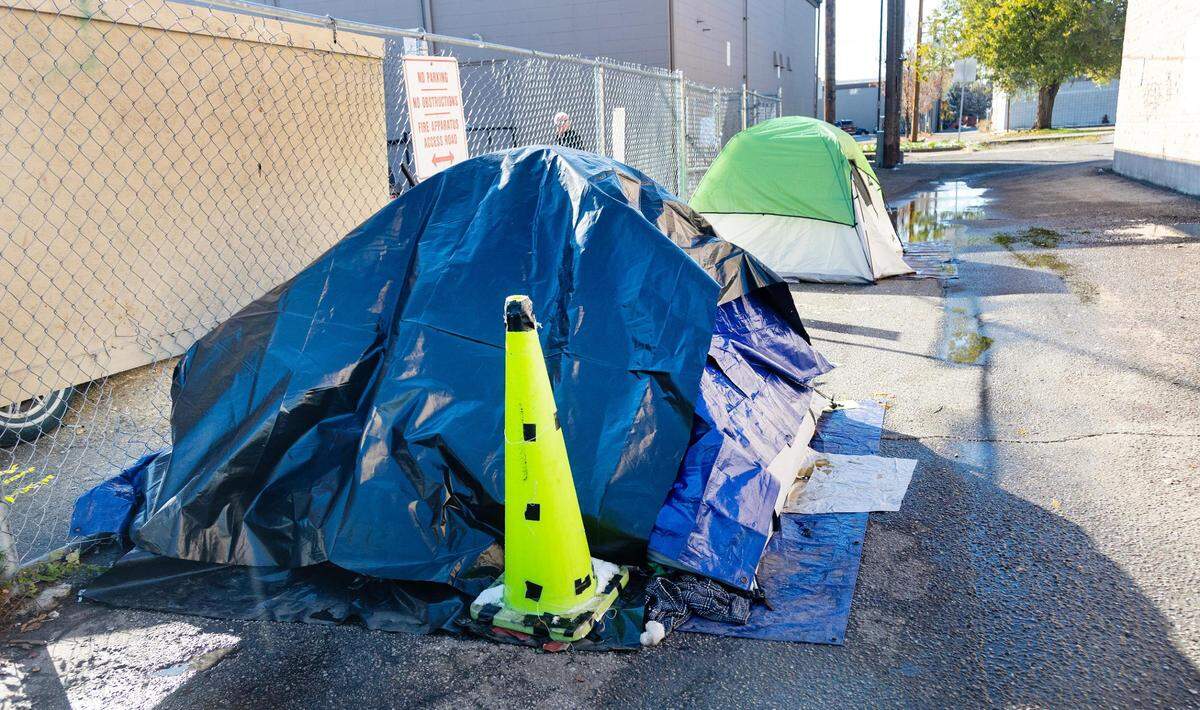
Boise already has a camping ban on the books. But under the ordinance, police can only enforce the ban if there are shelter beds available. That “available” space is narrowly defined: It must be able to avoid separating children from their parents and must accommodate residents’ mental and physical health needs, among other considerations, the Idaho Statesman previously reported.
Kathy Griesmyer, Boise’s director of policy and government affairs, on Monday said it was unclear whether the city’s current rules would satisfy the requirements of the bill.
Boise Police Department officers have some discretion about whether they ticket people violating the law, according to the department’s policy handbook. It was that discretion that sparked frustration among the bill’s supporters, according to their testimony Monday.
Cathy O’Connell-Iliff, the managing owner of CoreStrong Studio on South Americana Boulevard, recounted unpleasant interactions between homeless residents and her business’s clients and staff — and criticized what she considers a lack of police response.
“We see drugs being sold … and no significant police presence to curtail it,” she told a Senate committee. “During one particularly bad period, my husband called the police three times, speaking to a different officer each time, and was told by all three that the city has a hands-off policy regarding sleeping camping in our area, which the city denies.”
Griesmyer pushed back on the idea that Boise was “negligent” in its enforcement. She argued that criminalizing homelessness was an ineffective policy solution.
Jodi Peterson-Stigers, the director of Boise’s Interfaith Sanctuary, a homeless shelter located near downtown, previously told the Statesman that “criminalization means it’s harder to get housed, harder to get employed.”
“You go to get a job to try and get out of your homelessness, and they do a background check, and there’s a warrant because you haven’t paid five tickets from being outside, because you don’t have the funding or the transportation to get to court,” she said in June.
Boise police, meanwhile, raised concerns about how such a policy would affect their work. By removing much of police officers’ discretion about whether and when to ticket or arrest people camping illegally, the bill would divert law enforcement resources away from other public safety needs, Boise Police Chief Chris Dennison told the committee.
Boise police also have worked hard to form working relationships with local shelters and other homelessness advocates — and the requirement to enforce camping bans could call those into question, Dennison told lawmakers.
“We risk becoming the hammer for social issues that require a broader, more thoughtful approach,” he said.
Committee members voted to advance the bill for possible amendments Galloway proposed during her presentation of the bill, including a definition of unauthorized camping and the removal of a provision to allow business owners to sue cities that failed to enforce the ban. After amendments, the bill could receive a full hearing on the Senate floor.
Bill would impede shelters in residential areas
Griesmyer, Peterson-Stigers and opponents of the bill to ban “unauthorized” camping urged committee members to focus instead on efforts to increase access to housing and shelters, arguing that such a move would more effectively solve the problem of illegal camping.
Earlier in the same meeting, lawmakers also introduced a bill that would make it more difficult to place homeless shelters by adding more restrictions to their potential locations. The bill would bar homeless shelters from being placed within 300 feet of a residential area, and would also block shelters that have had construction or expansion applications rejected by local officials from reapplying for 10 years.
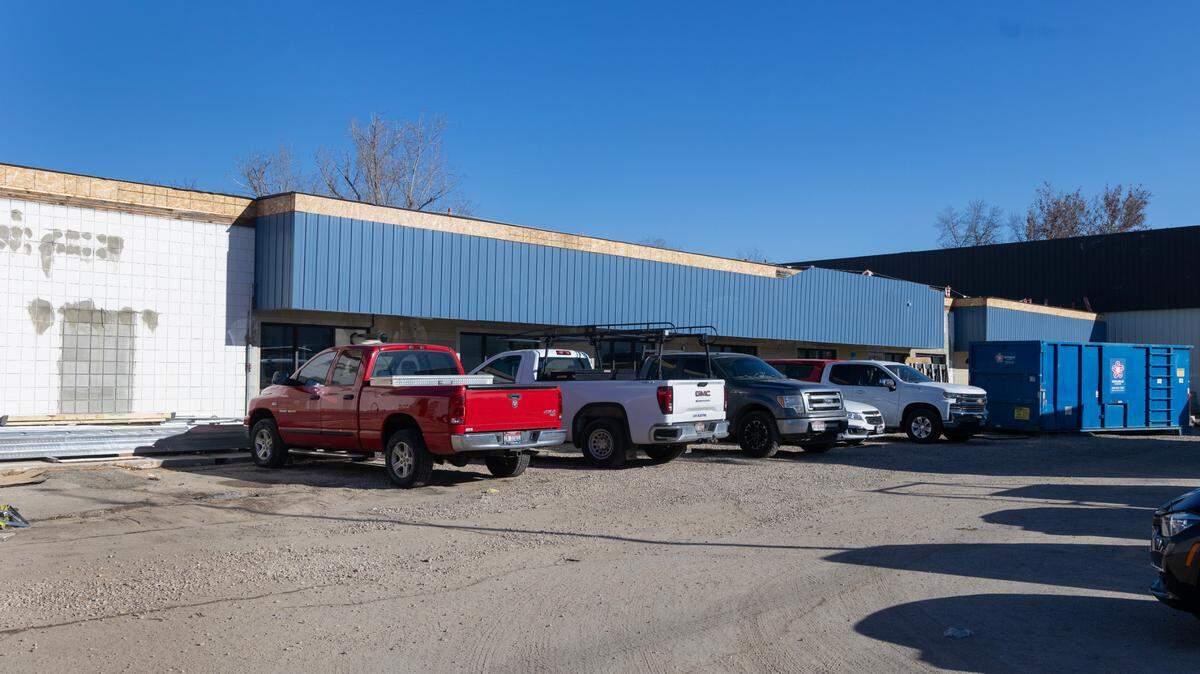
The bill comes after years of litigation from a West Boise neighborhood association against the construction of a new branch of the Interfaith Sanctuary. In January, Idaho’s Supreme Court ruled against the construction of the shelter on State Street, siding with neighbors who had expressed concerns about whether the shelter would increase crime and decrease property values in the neighborhood, the Statesman previously reported.
This story was originally published March 10, 2025 at 3:46 PM.