Idaho grocery tax change could mean hundreds more in annual refunds. See the proposal
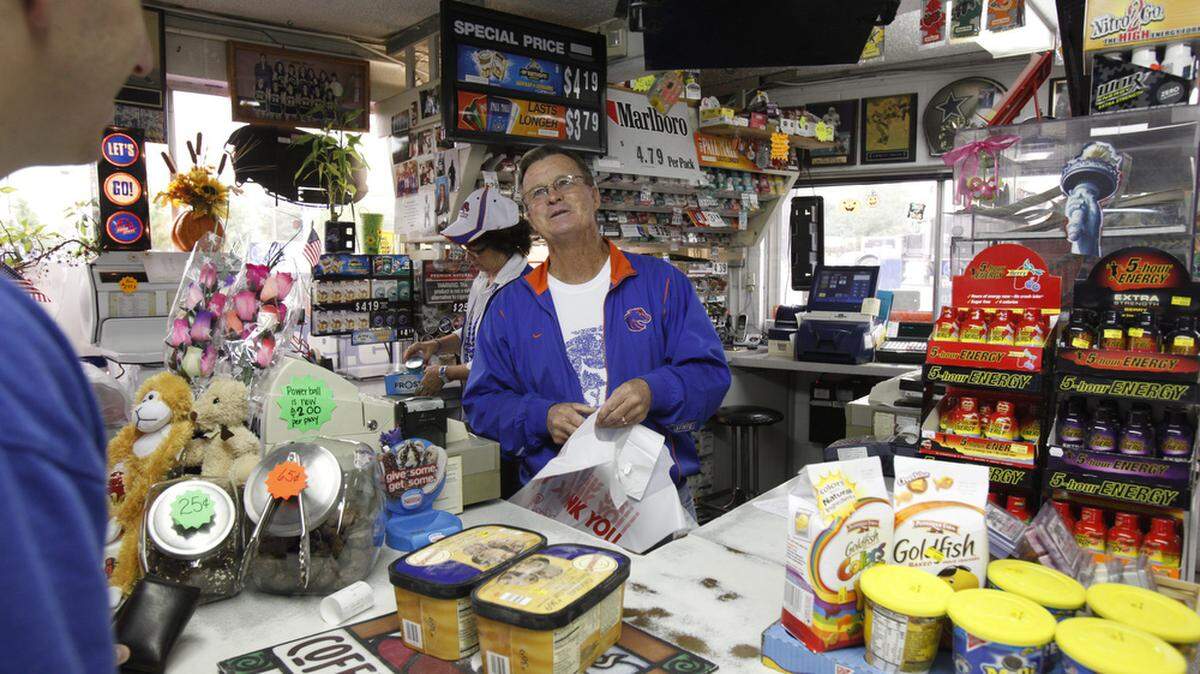
Idaho residents could receive hundreds of dollars more each year in refunds on their state taxes if a new grocery tax proposal becomes law.
The bill, from House Majority Leader Jason Monks, R-Meridian, would raise the annual grocery tax credit from $120 to $155 per person. If passed, it also would give residents the means to increase the tax credit to up to $250 per person if they submit itemized receipts. The new credit amounts would take effect for the 2025 tax year.
Grocery taxes have been hotly debated among lawmakers this year, with some calling for an outright repeal of sales taxes on groceries. Others have asked for it to be permanently indexed to inflation. Idaho is one of 13 states that taxes food, while most do not, according to AARP, a lobbying group for older Americans. The Gem State imposes its standard sales tax on groceries of 6%.
“It’s important that individuals have the ability to purchase food without having to pay additional tax on that,” Monks told a House committee Monday, noting that inflation has caused food prices to increase in recent years.
His proposal also would remove an enhanced credit for Idahoans 65 years and older, and instead revert them to the same credit that others receive. Seniors now can receive an added $20 tax credit.
Monks estimates the added tax credit amounts to $50 million in tax relief for residents.
Democrats labeled the proposal insufficient.
“Idahoans deserve a meaningful break on their grocery bills,” the Democratic caucus leadership said in a statement. “Yet Republicans are extending a pittance to working families in the form of a $35 increase in the tax credit for groceries. “Meanwhile, they have proposed a quarter of a billion dollar income tax cut that will overwhelmingly benefit the richest individuals and corporations, while leaving the state unable to adequately fund necessary services.”
How does the grocery tax credit work?
When people buy food at the grocery store in Idaho, they pay for the items in their cart and are charged a 6% sales tax. Each tax year, Idaho residents can deduct $120 from the total income taxes they owe, which amounts to $2,000 in tax-free grocery purchases per year. For a family of four, they can spend $8,000 per year on food purchases. If the credit they are eligible for is more than they owe in taxes, they receive a refund.
Increasing the credit to $155 brings the tax-free total allowed per person, per year to $2,583 — almost $600 higher.
If a taxpayer went to the trouble of itemizing their expenses to receive up to the $250 credit, they could spend up to $4,167 on tax-free grocery purchases.
Monks told the Idaho Statesman on Monday that he opposes repealing the tax on groceries because he thinks it would harm Idahoans. Visitors to Idaho pay taxes on their food purchases and don’t receive any credit — boosting the state’s revenues. Without that income, the state would need to raise taxes some other way, he said.
“When we lose out on that particular money, the state’s going to find a way to get it,” Monks said. The existing credits already allow for people to credit more grocery purchases than they make, which reduces their tax bill, he said.
“People forget we’re just talking about groceries,” Monks said, pointing out that items like toilet paper, shampoo and lotion that people purchase at grocery stores are not considered food.
This story was originally published January 27, 2025 at 11:23 AM.